
About This Article
Zoom Health has supplied home health products and vitamins to UK customers for nearly 20 years. This article is for general information only and does not constitute medical advice. Always consult your GP or a qualified healthcare professional before starting any new supplement, particularly if you are pregnant, breastfeeding, taking prescribed medication, or managing a medical condition. Food supplements are not a substitute for a balanced diet and healthy lifestyle.
Men’s health, as a topic, tends to get discussed in fairly narrow terms: heart health, prostate health, testosterone, and not a great deal else. In my experience that framing misses quite a bit. The nutritional foundations of men’s health are broader than any single organ or hormone, and many of the things men most commonly report as concerns, whether that is low energy, reduced vitality, declining sexual health, difficulty maintaining muscle mass, or simply not feeling as well as they used to, have meaningful nutritional components that are worth addressing systematically.
In this guide I want to walk through the supplement approach I recommend for men’s health at Zoom Health: starting with the nutrients that have the strongest evidence base and the widest relevance, then moving to the more targeted botanicals for specific concerns. The two Lindens products at the centre of this guide are the Lindens Zinc Citrate 50mg Tablets, the single most important mineral for male hormonal and reproductive health, and the Lindens Maca 500mg Tablets, the Andean adaptogenic herb with a long history of use for male energy and vitality. I will also cover the foundation supplements that apply to men’s health broadly, with links to the detailed guides already available for each.
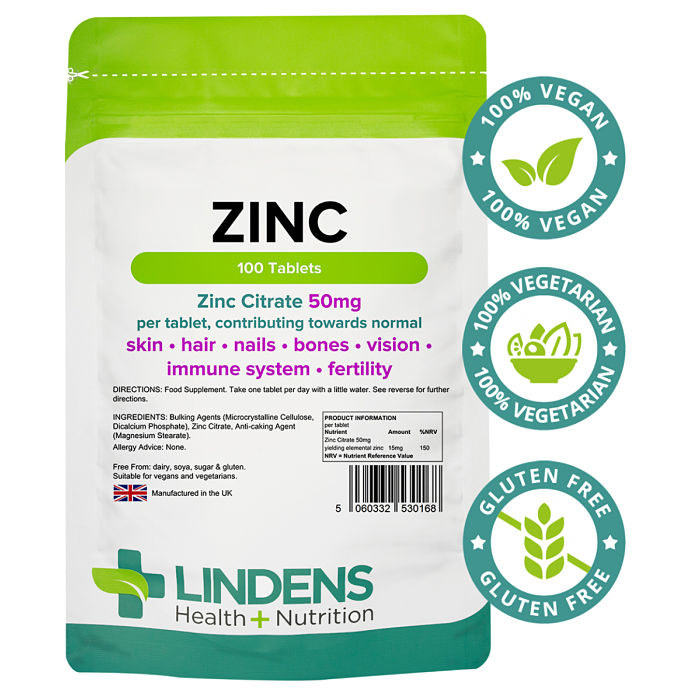
Lindens Zinc Citrate 50mg Tablets
100 tablets | from £6.99 | ★★★★★ 5.00/5 (1 review)
150% NRV zinc per tablet | Supports normal testosterone levels and male fertility | Vegan
Why Zinc Is the Most Important Mineral for Men’s Health
If there is one nutrient I would single out as having the greatest specific relevance to men’s health, it is zinc. That is not hyperbole. Zinc has a remarkable range of physiological roles, and several of them are directly tied to the aspects of health that decline most noticeably in men as they get older.
The most significant is testosterone. Zinc is required for the synthesis of testosterone in the Leydig cells of the testes, and there is a well-documented relationship between zinc status and testosterone levels. Zinc deficiency, even mild deficiency, is associated with reduced testosterone production. Conversely, correcting a deficiency through supplementation has been shown to support testosterone levels back toward the normal range. The EU-authorised health claim for zinc is precise and meaningful: zinc contributes to the maintenance of normal testosterone levels in the blood. This is not a vague claim about general vitality; it reflects a specific, well-evidenced mechanism.
Zinc is also essential for normal reproductive health and fertility. It contributes to normal spermatogenesis, the process by which sperm cells are produced. Sperm cells are particularly rich in zinc, and the seminal fluid that protects and transports sperm contains high concentrations of zinc relative to blood plasma. Low zinc status is associated with reduced sperm count, reduced sperm motility, and impaired sperm morphology. For men who are trying to conceive, zinc is one of the few supplements with a genuine evidence base for male fertility support.
Beyond testosterone and fertility, zinc is involved in immune function, normal cognitive function, normal vision, bone maintenance, protein synthesis and wound healing. It also contributes to the maintenance of hair, skin and nails, as covered in the Series 7 hair and skin guide. The breadth of zinc’s roles in the body reflects the fact that it is a cofactor for over 300 enzymes and involved in the activity of many transcription factors. It is, in short, one of the most functionally important micronutrients in human biology.
Why Many Men Are Not Getting Enough Zinc from Diet Alone
Zinc is found in meat, shellfish, legumes, nuts and seeds, but bioavailability varies significantly between sources. Zinc from animal products, particularly red meat and oysters, is considerably more bioavailable than zinc from plant sources, where it is often bound to phytates that inhibit absorption. Men who eat little red meat, follow vegetarian or vegan diets, or have high intakes of plant-based foods high in phytates, such as wholegrains and legumes, are at greater risk of marginal zinc insufficiency.
Physical activity also increases zinc losses through sweat, which is worth noting for men who exercise regularly and intensively. Athletes and men who do physical work are among the groups most likely to benefit from attention to zinc intake.
The body cannot store zinc in a readily mobilisable form in the way it stores iron or vitamin D. This means that regular adequate intake matters more than occasional high doses, and consistent daily supplementation is a more effective strategy than sporadic supplementation.
The Lindens Zinc Citrate tablets provide 50mg of zinc per tablet as zinc citrate, one of the better-absorbed forms of supplemental zinc. Each tablet delivers 150% of the NRV for zinc. Zinc citrate has better bioavailability than zinc oxide, the form used in many cheaper supplements, making the Lindens formulation a more effective choice at a comparable price point. At from £6.99 for 100 tablets, this represents excellent value for a supplement that most men would benefit from taking daily.
Maca Root: Energy, Vitality and Libido
The second product I recommend for men’s health is the Lindens Maca 500mg Tablets, which takes a quite different approach to supporting male wellbeing.
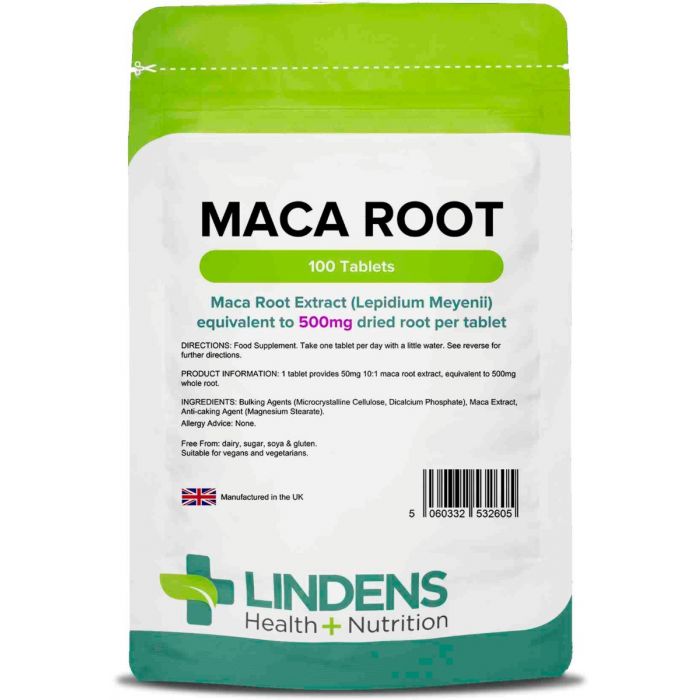
Maca (Lepidium meyenii) is a cruciferous plant native to the high-altitude plateaus of the Andes in Peru, where it has been cultivated and used as both a food source and a medicinal plant for several thousand years. The Inca reportedly fed maca to their warriors before battle to increase endurance and strength, and its traditional reputation centres on energy, stamina and sexual health in both men and women.
The contemporary research on maca is interesting, if still developing. Several randomised controlled trials have investigated its effects on sexual function and libido in men, with a number showing meaningful improvements compared to placebo, particularly for sexual desire and self-reported wellbeing. Unlike zinc, maca does not work through direct hormonal mechanisms – it does not raise testosterone directly. Its active compounds include glucosinolates, macamides and macaenes, and its effects appear to be mediated through influence on the hypothalamic-pituitary axis and through its role as an adaptogen – a plant that supports the body’s resilience to physical and psychological stress.
For men experiencing the combination of reduced energy, lower libido and general decline in vitality that many notice from their 40s onward, maca addresses a different dimension from zinc. Zinc works at the level of testosterone synthesis; maca works more broadly on adaptogenic resilience and sexual health through separate pathways. The two supplements complement each other well for men who want comprehensive nutritional support.
Each Lindens Maca tablet contains a concentrated extract equivalent to 500mg of whole dried maca root. At £9.99 for 100 tablets, with a typical dose of one to two tablets daily, it represents good value for an adaptogenic botanical supplement. The Lindens formulation uses a standardised extract rather than simple dried powder, ensuring consistency of active compound content between batches.
Prostate Health: What the Evidence Says
Prostate health is a significant concern for men from middle age onward. The prostate gland enlarges naturally with age in most men, a condition known as benign prostatic hyperplasia (BPH), and prostate cancer is the most common cancer in UK men. Both conditions make attention to prostate health a sensible preventive priority for men from around 45 onward.
From a nutritional standpoint, zinc is specifically relevant to prostate health. The prostate has a higher zinc concentration than almost any other tissue in the body, and prostate cells have specific mechanisms for accumulating zinc. Studies have found that zinc concentrations are significantly lower in prostate cancer tissue than in healthy prostate tissue, and there is ongoing research into zinc’s role in prostate cell regulation. While the research is not yet at the stage of clinical recommendations, the general case for maintaining adequate zinc status as part of a prostate-protective approach is supported by the biological evidence.
Saw palmetto (Serenoa repens) is the botanical most associated with prostate and urinary tract support for men, and the Lindens Saw Palmetto 500mg tablets are a product we stock. At the time of writing, this product is temporarily out of stock; check the Zoom Health men’s health supplements page for availability. For men who have had a PSA test result that warrants monitoring, or who are experiencing lower urinary tract symptoms associated with prostate enlargement, a conversation with their GP is the essential first step before considering any supplement approach.
If prostate health is a specific concern, I also recommend reading the Zoom Health guide to the home PSA test, which covers what PSA testing involves, what elevated PSA means and does not mean, and when to seek medical attention.
Foundation Supplements for Men’s Health: The Non-Negotiables
Beyond zinc and maca, there are several foundation supplements that apply as broadly to men’s health as they do to overall health, but which become particularly relevant in the context of the concerns men most commonly bring to Zoom Health.
Vitamin D. Low testosterone and low vitamin D levels frequently co-occur, and there is emerging evidence of a relationship between vitamin D status and testosterone levels, as vitamin D receptors are present in testicular tissue. Beyond testosterone, vitamin D supports bone health, immune function and mood, and vitamin D deficiency is associated with increased fatigue – one of the most common complaints I hear from men in their 40s and 50s. The NHS recommends that all UK adults supplement vitamin D from October to March; men with confirmed deficiency or limited sun exposure should consider year-round supplementation. The full picture is covered in the Zoom Health vitamin D guide.
Omega 3. Cardiovascular disease remains the leading cause of death in UK men, and omega 3 fatty acids EPA and DHA have some of the strongest evidence of any nutrient for supporting normal heart function and contributing to normal blood triglyceride levels. Men over 40 who eat oily fish fewer than twice a week are likely to benefit from omega 3 supplementation. The Zoom Health omega 3 guide covers the EPA and DHA distinction and how to choose the right product in detail.
B vitamins. Energy metabolism, nervous system function and red blood cell formation all depend on adequate B vitamin status. Men who drink alcohol regularly, eat limited vegetables, or are over 50 are at meaningfully increased risk of B vitamin insufficiency, particularly B12. The Zoom Health B vitamins guide explains the specific role of each B vitamin and which Lindens products cover them most effectively.
Magnesium. Magnesium is involved in over 300 enzymatic reactions in the body, including those governing muscle function, protein synthesis and energy metabolism – all particularly relevant to active men and those experiencing fatigue. Magnesium also supports normal sleep quality, addressing one of the most common complaints in men over 40. The Zoom Health magnesium guide covers this in full.
Building a Practical Men’s Health Supplement Routine
The most common mistake I see men make with supplements is trying to do too much at once, buying a broad sweep of products and then abandoning the routine because it is unwieldy and expensive. My practical advice is to build a routine in layers, starting with the foundations and adding targeted supplements only once the basics are consistently in place.
For most men, the foundation layer that makes the most difference is Vitamin D (year-round if you work indoors or have darker skin), Omega 3 (unless you eat oily fish at least twice a week), and Zinc Citrate (particularly relevant for men over 40, men with low red meat intake, and those who exercise intensively). These three products together cover the most common nutritional gaps and address the hormonal, cardiovascular and immune priorities most relevant to men’s long-term health. Combined, they cost well under £25 per month from Zoom Health.
The second layer, for men with specific concerns about energy, libido or vitality, is Maca 500mg. This works well alongside the foundation layer and can be added once the basics are established. Men with prostate-specific concerns should prioritise a GP conversation and a PSA test alongside any supplement approach rather than instead of it.
Consistency, as always, is the critical factor. Supplements that are taken daily for months produce results; supplements taken sporadically do not. Keeping the routine simple enough to sustain is more important than making it comprehensive but unmanageable.
Start with Zinc: The Cornerstone of Men’s Nutritional Health
Lindens Zinc Citrate 50mg delivers 150% NRV of highly bioavailable zinc citrate. 100 tablets from just £6.99.
Lindens Zinc Citrate 50mg Tablets
- 50mg zinc per tablet as zinc citrate – 150% NRV
- Supports normal testosterone levels in the blood
- Contributes to normal fertility and reproduction
- Supports immune function, normal cognitive function and bone maintenance
- Vegan – 100 or 1000 tablet packs available
- Rated 5.00/5 by Zoom Health customers
- From £6.99 from Zoom Health
Lindens Maca 500mg Tablets
- Concentrated maca root extract equivalent to 500mg dried root per tablet
- Andean adaptogenic botanical with traditional use for energy and vitality
- 100 tablets – typically 50 to 100 days’ supply
- £9.99 from Zoom Health
Related Articles from Zoom Health
- Home PSA Test: What Every Man Over 45 Should Know About Prostate Health – Series 6, Post 7
- Omega 3: What It Actually Does and How to Choose the Right Supplement – Series 5, Post 2
- Vitamin D Deficiency: What You Need to Know and What to Do About It – Series 5, Post 1
- Tired All the Time? What B Vitamins Actually Do for Energy – Series 5, Post 5
- Magnesium: The Mineral That Does More Than You Think – Series 5, Post 3
- Browse all men’s health supplements at Zoom Health
Anthony Cunningham – Health Writer & Editor
Anthony Cunningham, BA (Hons), MA, is a UK-based health writer and editor with over 20 years’ experience running Zoom Health, a trusted source for home health tests, preventive care, and wellness guidance. He creates clear, evidence-based articles using NHS, NICE, and WHO guidance. Where possible, content is reviewed by practising clinicians to enhance accuracy and reliability, helping readers make informed healthcare decisions.