
About This Article
About This Article: Zoom Health has supplied home health products and vitamins to UK customers for nearly 20 years. This article is for general information only and does not constitute medical advice. Always consult your GP or a qualified healthcare professional before starting any new supplement, particularly if you are pregnant, breastfeeding, taking prescribed medication, or managing a medical condition. Food supplements are not a substitute for a balanced diet and healthy lifestyle.
Published: 2 May 2026 | By: Anthony Cunningham
Omega 3 fatty acids are among the most researched nutrients in nutritional science, and the body of evidence supporting their role in normal health is substantial. Yet despite widespread awareness that omega 3 is important, there is considerable confusion about what it actually does, which sources provide it, and what to look for in a supplement. The supplement market compounds this confusion with marketing language that frequently obscures the meaningful distinctions between different omega 3 products. In this guide I want to cut through that and explain the science clearly – what omega 3 is, why the EPA and DHA distinction matters enormously, who is most likely to be deficient, and how to choose a supplement that actually delivers what you need.
What Are Omega 3 Fatty Acids?
Omega 3 fatty acids are a family of polyunsaturated fats. The term “polyunsaturated” refers to their molecular structure – multiple double bonds in the carbon chain – which gives them different properties from the saturated fats found in animal products and the monounsaturated fats found in olive oil. Unlike some fatty acids the body can synthesise internally, omega 3s are classified as essential fatty acids because the body cannot produce them in adequate amounts and must obtain them from food or supplements.
There are three omega 3 fatty acids relevant to human health. ALA (alpha-linolenic acid) is found primarily in plant sources – flaxseed, walnuts, hemp seeds and chia seeds. EPA (eicosapentaenoic acid) and DHA (docosahexaenoic acid) are found primarily in fatty fish and marine algae. Understanding the difference between these three forms is the most important thing to grasp about omega 3 supplementation, and I will come to it shortly.
What Does Omega 3 Do in the Body?
EPA and DHA contribute to the normal function of the heart – this is a permitted EU health claim supported by research showing that a daily intake of 250mg of EPA and DHA contributes to normal cardiac function. DHA also contributes to the maintenance of normal brain function and normal vision. During pregnancy, maternal DHA intake contributes to normal brain and eye development in the foetus. These are well-established physiological roles with a strong research base.
Beyond these approved health claims, omega 3 fatty acids – particularly EPA and DHA – are the subject of ongoing research into their roles in inflammatory response, joint health, mood regulation and cognitive function across the lifespan. The research picture in some of these areas is still developing, but the foundational evidence for omega 3’s importance in heart, brain and eye health is robust and consistent.
The EPA/DHA vs ALA Distinction: Why It Matters
This is the most important and most frequently misunderstood aspect of omega 3 supplementation, and it is worth spending time on it carefully. ALA from plant sources – flaxseed, walnuts, hemp – is technically an omega 3 fatty acid, and many plant-based omega 3 products lead with this. However, the physiological benefits associated with omega 3 in research – particularly heart, brain and eye function – are associated with EPA and DHA, not ALA.
The body can convert ALA to EPA and then to DHA, but this conversion process is highly inefficient. Research suggests that typically only around 5 to 10% of dietary ALA is converted to EPA, and less than 1% reaches DHA. This means that consuming a flaxseed oil supplement – however high the ALA content – does not reliably deliver meaningful amounts of EPA or DHA. For people who eat oily fish two or more times a week, ALA from plant sources complements adequate EPA and DHA intake. For people who do not eat oily fish regularly, plant-based ALA sources alone are unlikely to maintain adequate EPA and DHA status.
Marine omega 3 sources – fish oil, cod liver oil, and marine algae – deliver EPA and DHA directly, bypassing the inefficient ALA conversion pathway entirely. This is why marine-source omega 3 supplements are generally recommended for people who want to specifically support heart, brain and eye function, and why the evidence base for omega 3’s health benefits is built primarily on research using marine sources.
Who Is Most Likely to Have Inadequate Omega 3 Intake?
UK dietary surveys consistently find that a significant proportion of the population consumes less oily fish than the NHS-recommended two portions per week. People who do not eat fish at all – whether for dietary, ethical or preference reasons – will almost certainly have inadequate EPA and DHA intake from food alone. Vegetarians and vegans face a particular challenge, as the only direct dietary sources of EPA and DHA are fish and seafood; plant-based sources provide only ALA. People with conditions affecting fat absorption may also absorb dietary omega 3 less effectively.
Children and adolescents, pregnant and breastfeeding women, and older adults are groups for whom adequate DHA intake is particularly important given DHA’s role in brain development and maintenance. Pregnant women should note that the NHS advises caution with some fish species due to mercury content, and a supplement providing DHA is often recommended as an alternative to higher fish consumption during pregnancy.
Omega 3, 6 and 9: Understanding the Full Picture
Omega 6 fatty acids are also polyunsaturated fats, found primarily in vegetable oils, nuts and seeds. They are essential fatty acids like omega 3, but most UK adults consume significantly more omega 6 than omega 3 – primarily through vegetable oils used in processed foods and cooking. The ratio of omega 6 to omega 3 in the diet has shifted substantially in modern diets compared to evolutionary norms, and some nutritional researchers argue that redressing this balance by increasing omega 3 intake is beneficial for general health.
Omega 9 fatty acids, found in olive oil and avocados, are not essential – the body can produce them – but they are associated with a healthy dietary pattern. Combined omega 3 6 9 supplements provide all three in one capsule, which suits people looking for comprehensive essential fatty acid support from a single product.
Our Omega 3 Supplements at Zoom Health
Top Pick: Lindens Omega 3 Fish Oil (30% DHA/EPA) Capsules
The Lindens Omega 3 Fish Oil (30% DHA/EPA) Capsules are my primary recommendation for anyone looking to supplement omega 3 for heart, brain and eye health. The 30% DHA/EPA concentration means you are getting a meaningful, specified dose of the active fatty acids – EPA and DHA – rather than a lower-concentration fish oil where most of the capsule content is less relevant fats. This is the specification to look for when comparing fish oil supplements: the percentage of EPA and DHA relative to total oil content is a far more informative figure than the total fish oil weight per capsule. Manufactured by Lindens in the UK to ISO 9001 standards.
30% DHA/EPA concentration | Marine source | Heart, brain and eye support | UK manufactured | Buy from Zoom Health – £6.99
High Strength: Lindens Omega 3 Fish Oil Extra Capsules
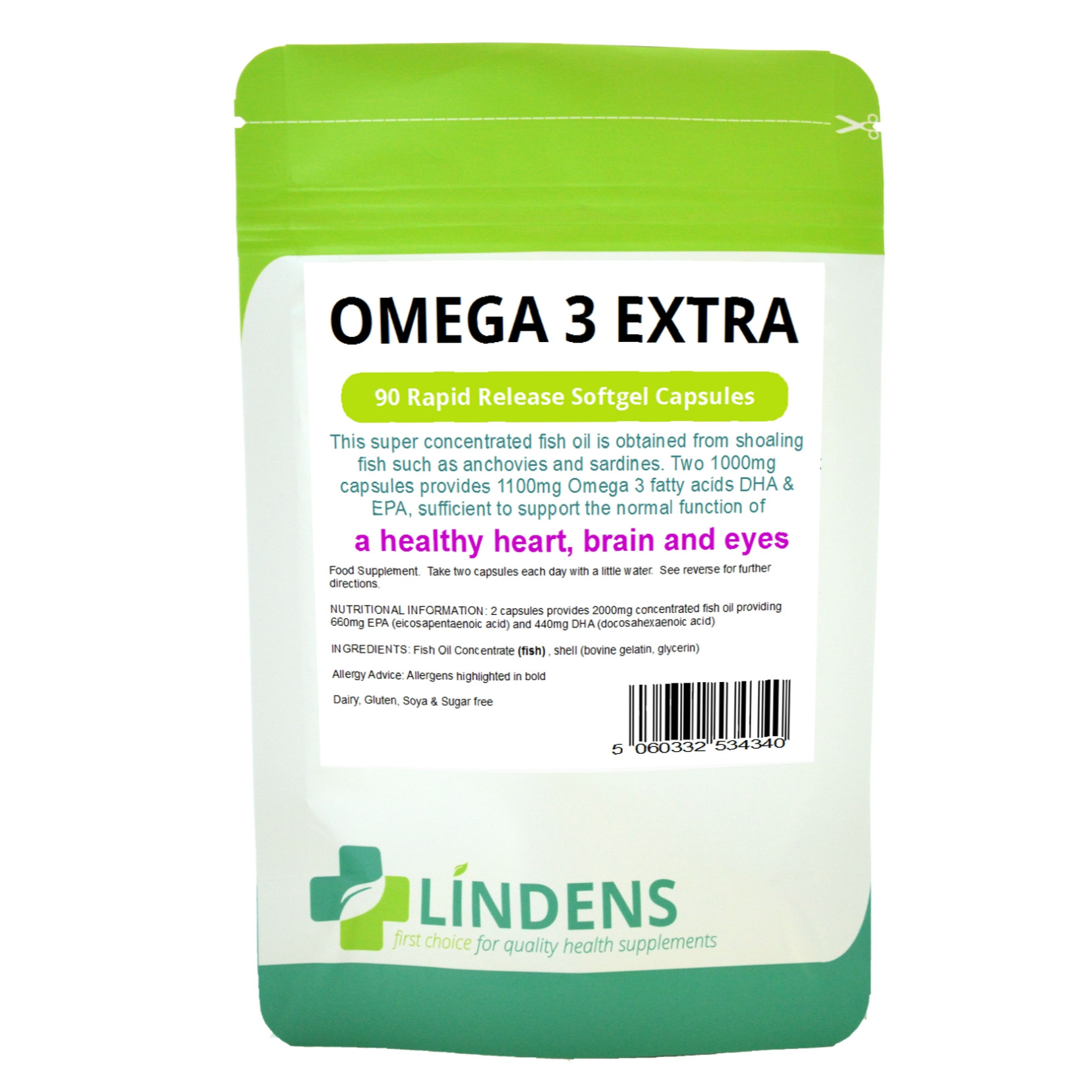
For those who want a higher-strength omega 3 supplement, the Lindens Omega 3 Fish Oil Extra Capsules provide a more concentrated dose in the same convenient capsule format. A useful choice for people who have been advised by their GP or nutritionist to increase their omega 3 intake significantly, or for those who want to consolidate their intake into a single daily capsule rather than taking multiple lower-strength ones. As with all fish oil supplements, take with food to reduce the chance of any fishy aftertaste.
High strength | Marine source | Single daily capsule | Buy from Zoom Health – £8.99
Classic Option: Lindens Cod Liver Oil 1000mg Capsules
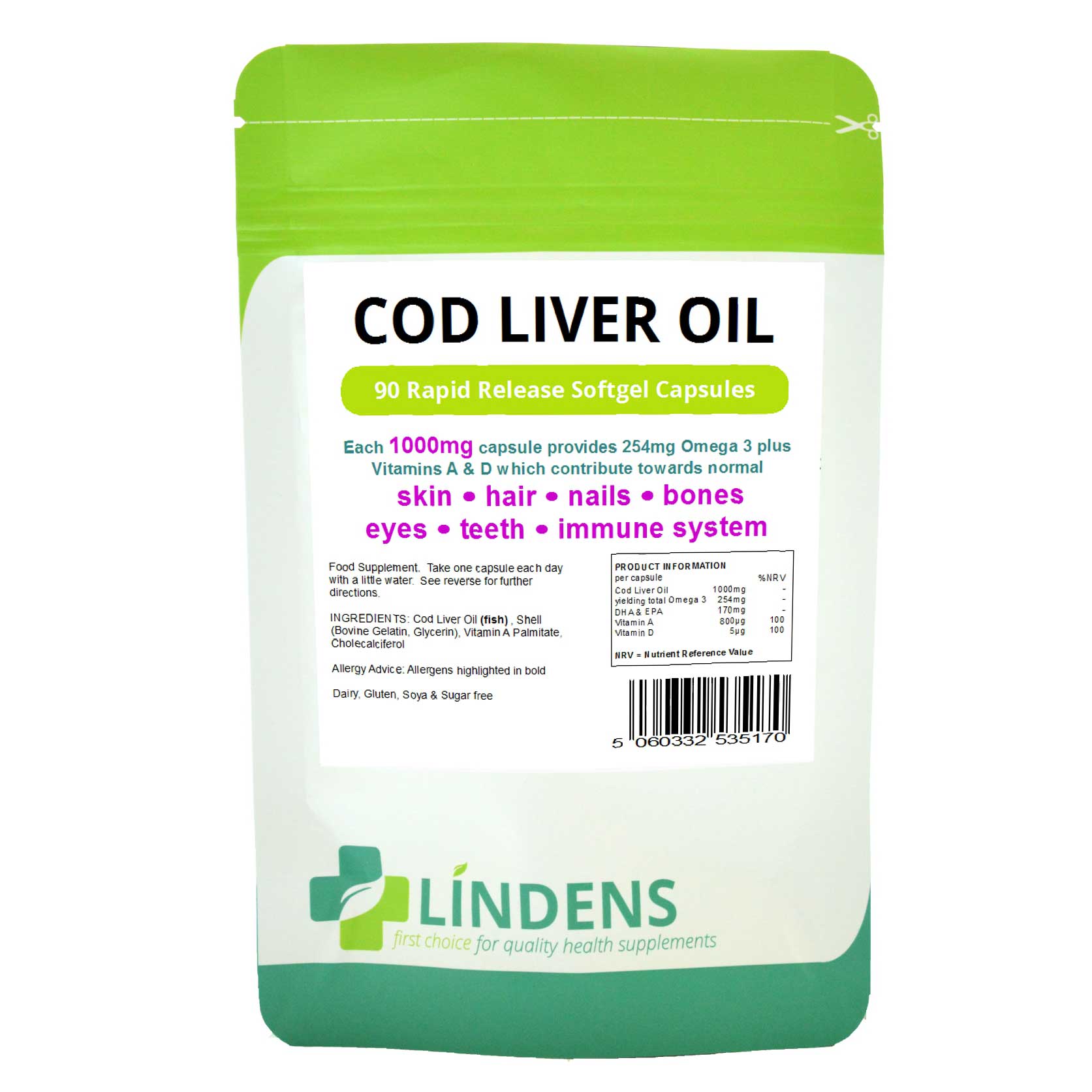
Cod liver oil is one of the oldest and most trusted nutritional supplements in the UK – generations of British children were given it as a matter of course, and the tradition has a sound nutritional basis. The Lindens Cod Liver Oil 1000mg Capsules provide omega 3 fatty acids including EPA and DHA alongside vitamins A and D, which are naturally present in cod liver oil. This makes them a useful all-round supplement for people looking for omega 3 alongside additional vitamin D support in a single capsule. It is worth noting that cod liver oil contains vitamin A, and pregnant women are advised to avoid supplements high in vitamin A – in that case the standard fish oil capsules are the more appropriate choice.
Omega 3 + Vitamins A & D | Classic formulation | Not for pregnancy | Buy from Zoom Health – £9.99
Plant-Based Option: Lindens Vegan Omega 3 6 & 9 Capsules

For vegetarians, vegans and anyone who prefers to avoid fish-derived products, the Lindens Vegan Omega 3 6 & 9 (Flaxseed) 1000mg Capsules provide essential fatty acids from a plant-based flaxseed source. As I explained above, flaxseed provides ALA rather than EPA and DHA directly, and the conversion to EPA/DHA in the body is limited. This product is best suited to people who want to support their overall essential fatty acid intake as part of a varied diet, rather than those specifically targeting the EPA/DHA-related health benefits. It provides a comprehensive omega 3 6 9 profile in a fully vegan capsule, which is a practical and conscientious choice for those avoiding animal-derived supplements.
Vegan | Omega 3 6 9 | Flaxseed source | ALA-based | Buy from Zoom Health – £10.99
How Much Omega 3 Do You Need?
The European Food Safety Authority recommends a daily intake of 250mg of combined EPA and DHA for normal heart function. The NHS recommends eating at least two portions of fish per week, one of which should be oily – a single portion of oily fish typically provides 1.5 to 3g of combined EPA and DHA, significantly above the minimum 250mg threshold. For people who do not eat oily fish, a daily fish oil supplement providing at least 250mg of combined EPA and DHA is a practical alternative. Higher intakes of up to 5g of combined EPA and DHA daily are considered safe by EFSA for adults, though intakes above this level should be discussed with a healthcare professional.
Tips for Getting the Most from Omega 3 Supplements
Take fish oil capsules with food – the presence of dietary fat in the gut improves absorption of fat-soluble omega 3 fatty acids, and taking them with a meal also reduces the chance of a fishy aftertaste or reflux that some people experience with fish oil supplements on an empty stomach. Store fish oil supplements in a cool, dark place – omega 3 fatty acids can oxidise when exposed to heat and light, which reduces their quality. The foil-fresh resealable pouch packaging used by Lindens protects against this effectively. If you are taking blood-thinning medication such as warfarin, speak to your GP before starting a fish oil supplement as omega 3 at higher doses may affect clotting.
Support your omega 3 intake
Browse our full range of omega 3 supplements at Zoom Health, or explore the complete Lindens health supplements range.
About the Author
Anthony Cunningham – Health Writer & Editor
Anthony Cunningham, BA (Hons), MA, is a UK-based health writer and editor with over 20 years’ experience running Zoom Health, a trusted source for home health tests, preventive care, and wellness guidance. He creates clear, evidence-based articles using NHS, NICE, and WHO guidance. Where possible, content is reviewed by practising clinicians to enhance accuracy and reliability, helping readers make informed healthcare decisions.