About This Article
Zoom Health has supplied home health products and vitamins to UK customers for nearly 20 years. This article is for general information only and does not constitute medical advice. Always consult your GP or a qualified healthcare professional before starting any new supplement, particularly if you are pregnant, breastfeeding, taking prescribed medication, or managing a medical condition. Food supplements are not a substitute for a balanced diet and healthy lifestyle.
Of all the areas of nutritional science that have attracted serious research interest over the past thirty years, oxidative stress and its relationship to ageing and chronic disease is among the most significant. The idea that free radical damage accumulates over time, contributing to the cellular deterioration we associate with ageing and to the development of cardiovascular disease, cancer and neurological decline, has moved from a fringe hypothesis to a mainstream framework in biology. Understanding how antioxidants protect against this damage, and which supplements offer the most meaningful protection, is genuinely useful knowledge for anyone interested in long-term health.
In this guide I want to cover two distinct but complementary approaches to antioxidant supplementation available from the Lindens range at Zoom Health. The first is CoEnzyme Q10, which is not a conventional antioxidant in the dietary sense but which plays a critical and irreplaceable role in cellular energy production and protection against oxidative damage, particularly in the heart and muscles. The second is green tea extract, one of the most extensively studied polyphenol antioxidant supplements available. Both address oxidative stress, but through different mechanisms and with different primary applications. Together they provide a well-rounded approach to antioxidant support that goes considerably further than simply taking a high-dose vitamin C tablet.
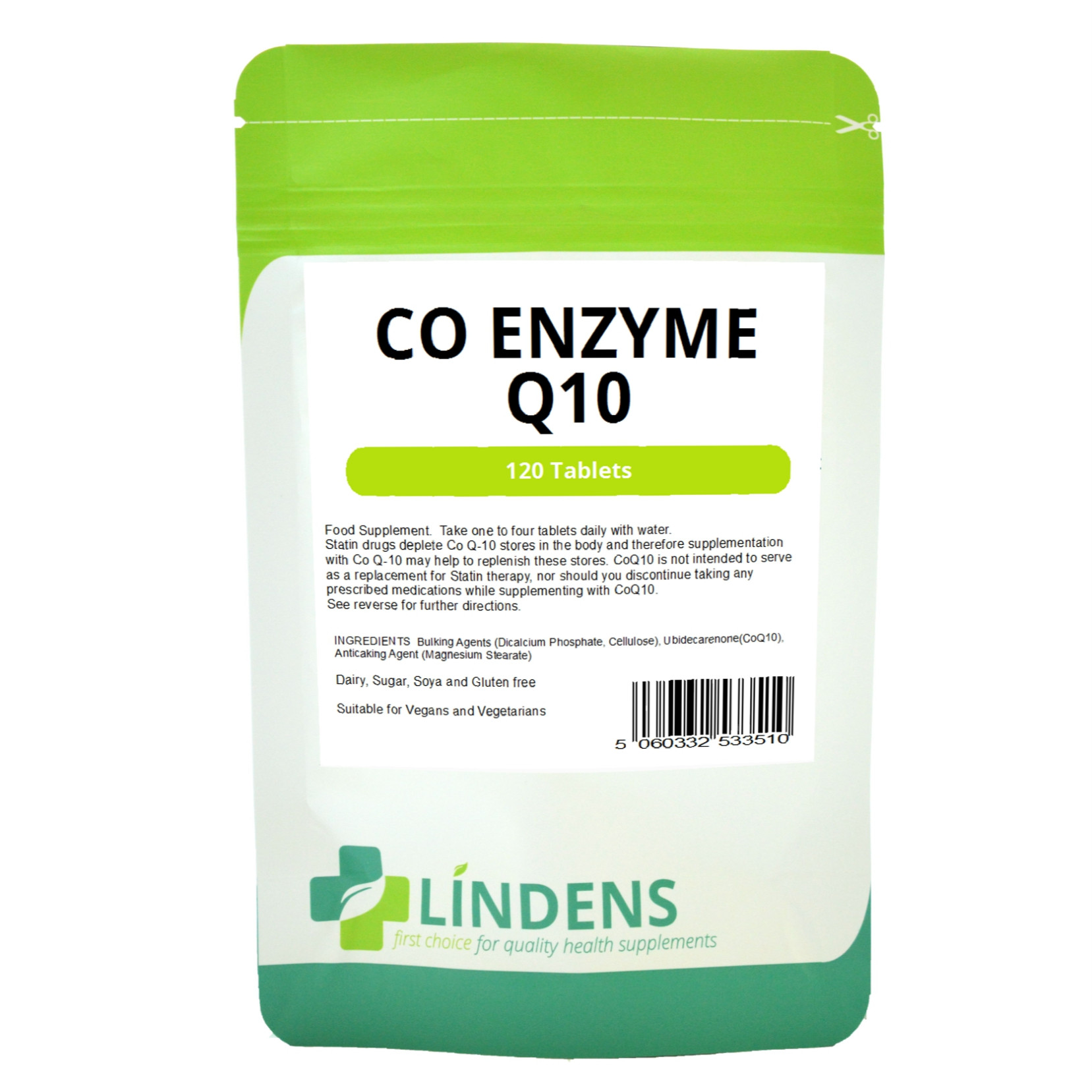
Lindens CoEnzyme Q10 30mg Tablets
120 tablets | £9.99 | Flexible 1-4 daily dose
30mg CoQ10 per tablet | Heart and muscle energy support | Particularly relevant for statin users and over-40s
What Is Oxidative Stress and Why Does It Matter?
To understand why antioxidant supplementation is worth taking seriously, it helps to be clear about what oxidative stress actually is. The body produces energy through metabolic processes that involve oxygen. As a byproduct of these processes, reactive molecules known as free radicals are generated. Free radicals are chemically unstable – they have an unpaired electron and seek to stabilise themselves by taking an electron from a neighbouring molecule. When they do this to molecules in cell membranes, proteins or DNA, they cause damage: a process known as oxidative damage.
Under normal conditions, the body’s own antioxidant defence systems, including enzymes like superoxide dismutase and glutathione peroxidase, and dietary antioxidants obtained from food, neutralise free radicals before significant damage accumulates. Oxidative stress occurs when this balance tips: when free radical production exceeds the body’s capacity to neutralise it. The result is cumulative cellular damage that contributes to ageing at the biological level, and is implicated in the development and progression of cardiovascular disease, type 2 diabetes, neurodegenerative diseases, and cancer.
Factors that increase free radical production include smoking, excessive alcohol consumption, high-intensity exercise without adequate recovery, chronic psychological stress, exposure to environmental pollutants, and simply getting older. Poor diet, particularly one low in fruits and vegetables, reduces the supply of dietary antioxidants the body depends on. For many people in modern life, the balance tips toward oxidative stress as a matter of routine, which is the underlying case for taking antioxidant supplementation seriously.
CoEnzyme Q10: Energy, Antioxidant Protection and Why It Declines with Age
CoEnzyme Q10 is one of the most important compounds in human physiology, and one of the least understood by people outside specialist nutrition circles. It sits at the heart of the mitochondrial electron transport chain, the process by which cells produce ATP – the energy currency that powers essentially everything the body does. Without CoQ10, this process cannot function. The tissues with the highest energy demands, particularly the heart muscle, skeletal muscles and brain, have the highest concentrations of CoQ10 precisely because they depend most heavily on efficient energy production.
CoQ10 also functions as a fat-soluble antioxidant, protecting cell membranes and mitochondrial membranes from oxidative damage. This is especially important in the mitochondria themselves, where free radical production is highest, and in the heart muscle, which works continuously and at high metabolic intensity throughout a person’s lifetime.
The critical issue is that CoQ10 production by the body declines with age. Research suggests that CoQ10 levels in heart muscle tissue may be reduced by up to 50% by the age of 80 compared to a young adult. This decline tracks closely with the well-documented reduction in energy, muscle strength and cardiovascular resilience that characterises ageing, and is one of the reasons CoQ10 supplementation has attracted such strong interest among researchers studying healthy ageing and cardiovascular health.
CoQ10 and Statins: A Critical Combination
There is a second group for whom CoQ10 supplementation is particularly important, and this is one I want to address directly: people taking statin medications to manage cholesterol levels.
Statins work by inhibiting an enzyme called HMG-CoA reductase, which is involved in the production of cholesterol in the liver. What is less widely known is that the same metabolic pathway is also used by the body to produce CoQ10. Statin use therefore inhibits CoQ10 synthesis as a pharmacological side effect of its intended action. This is not a minor or disputed finding; it is a well-established pharmacological consequence of how statins work at the biochemical level.
The clinical significance of statin-induced CoQ10 depletion is an area of ongoing research, but there is a plausible mechanism linking it to the muscle pain and weakness that is among the most commonly reported side effects of statin therapy. Muscle cells that are depleted of CoQ10 have impaired mitochondrial energy production, which can manifest as muscle fatigue, aching and weakness. For statin users experiencing these symptoms, CoQ10 supplementation is worth discussing with their GP as a potential supportive measure. It is important to be clear that CoQ10 is not a substitute for statin therapy, and no one should discontinue their statin on the basis of taking CoQ10. But for people who are taking a statin and want to support their CoQ10 status, the Lindens CoQ10 30mg Tablets provide a practical and affordable way to do so.
About the Lindens CoQ10 Supplement
The Lindens CoEnzyme Q10 30mg Tablets provide 30mg of CoQ10 per tablet, with a flexible dose of one to four tablets daily. At the lower end, one tablet daily provides a maintenance dose suitable for general antioxidant and energy support. At the higher end of the dosing range, four tablets daily delivers 120mg, which is in the range used in several clinical studies of CoQ10 for cardiovascular and muscular support.
CoQ10 is fat-soluble, which means it is best absorbed when taken with a meal containing some dietary fat. Taking CoQ10 alongside a meal rather than on an empty stomach improves absorption meaningfully, and this is worth noting as a practical instruction. Splitting the dose across two meals rather than taking it all at once can also improve overall daily absorption at higher dose levels.
At £9.99 for 120 tablets, the Lindens CoQ10 represents good value across all dose levels, from a basic maintenance dose to more intensive supplementation for statin users or those with specific cardiovascular health priorities. The product contains no artificial colours or flavours and is manufactured by Lindens in Yorkshire to ISO 9001 standards.
Green Tea Extract: The Polyphenol Antioxidant Case
Green tea is one of the most thoroughly researched botanicals in the world. The epidemiological interest began with observations that populations with high green tea consumption, particularly in Japan, had lower rates of cardiovascular disease and certain cancers than might otherwise be expected. The active compounds responsible are the polyphenols, particularly a class of antioxidants called catechins, of which epigallocatechin gallate (EGCG) is the most potent and most extensively studied.
Green tea polyphenols work as antioxidants through multiple mechanisms. They directly neutralise free radicals, donate hydrogen atoms or electrons to stabilise reactive molecules before they can cause cellular damage. They also chelate metal ions, including iron and copper, that can catalyse free radical production. And they support the body’s own endogenous antioxidant enzyme systems, effectively reinforcing the body’s internal defences rather than simply acting as an external substitute for them.
The cardiovascular evidence for green tea polyphenols is particularly well-developed. Regular green tea consumption and green tea extract supplementation have been associated in numerous studies with improvements in LDL cholesterol oxidation, endothelial function and blood pressure, all markers of cardiovascular health that are relevant to the oxidative damage pathway discussed earlier. Green tea polyphenols also have anti-inflammatory properties, and there is growing interest in their role in metabolic health, with several studies showing effects on blood glucose regulation and body composition.
About the Lindens Green Tea 1000mg Tablets
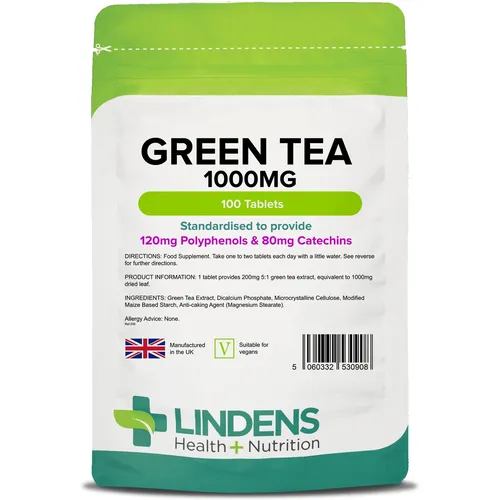
The Lindens Green Tea 1000mg Tablets provide a concentrated extract equivalent to 1000mg of dried green tea leaf per tablet, standardised to deliver 120mg of polyphenols, of which 80mg are catechins. The standardisation is the critical quality marker here: a green tea supplement that does not specify its polyphenol or catechin content cannot guarantee consistent potency between batches. By standardising to 120mg polyphenols including 80mg catechins, the Lindens formulation ensures you know exactly what you are getting in each tablet.
The product is 100% vegan, which is worth noting as green tea tablets sometimes use gelatine capsule shells. At £6.99 for 100 tablets, it represents excellent value for a well-specified botanical antioxidant supplement. The rating of 5.00/5 from Zoom Health customers reflects the consistently good quality of Lindens’ botanical standardised extract formulations.
Green tea extract does contain naturally occurring caffeine. While the caffeine content per tablet is considerably lower than a cup of brewed green tea, people who are sensitive to caffeine or who take green tea tablets later in the day may notice a mild stimulant effect. Taking green tea tablets in the morning with breakfast is generally the most practical approach for this reason.
CoQ10 and Green Tea Together: Complementary Antioxidant Mechanisms
One of the reasons I recommend considering CoQ10 and green tea extract together rather than as alternatives is that they address oxidative stress through genuinely different and complementary mechanisms.
CoQ10 operates primarily within the mitochondria and cell membranes of high-energy tissues, protecting them from the oxidative damage generated by their own metabolic activity. It is an endogenous compound that the body produces itself, but whose production declines with age and is suppressed by statins. Supplementing it is essentially a matter of restoring a compound the body already makes, in tissues that are particularly reliant on it.
Green tea polyphenols are dietary antioxidants that work in the bloodstream, in the gut, and in circulating lipoproteins such as LDL cholesterol – protecting against oxidative damage in a quite different location and through quite different chemistry. EGCG is particularly effective at preventing the oxidation of LDL cholesterol, which is one of the key steps in the development of atherosclerosis.
The two supplements therefore provide antioxidant protection at different biological sites: CoQ10 inside the mitochondria and cell membranes, green tea polyphenols in the vascular and systemic environment. For anyone motivated by cardiovascular health, the combination covers the oxidative stress pathway more comprehensively than either does alone.
Other Antioxidant Nutrients Worth Knowing About
CoQ10 and green tea polyphenols are the Lindens antioxidant supplements I recommend most commonly, but they are not the only relevant options in the range.
Vitamin C, covered in the immune system post in our Series 5 supplement guides, is a potent water-soluble antioxidant with a particularly important role in protecting against oxidative damage in aqueous environments, including blood plasma and the interior of cells. The Lindens Vitamin C+ 1000mg Time Release Tablets provide a well-formulated high-dose option with the addition of citrus bioflavonoids and rosehip extract, which enhance its antioxidant activity.
Selenium, present in the Lindens Silica capsules covered in the hair, skin and nails guide, is a component of glutathione peroxidase, one of the body’s primary endogenous antioxidant enzymes. Selenium contributes to the protection of cells from oxidative stress, and this is an EU-authorised health claim reflecting solid supporting evidence.
Lutein, available as the Lindens Lutein 10mg (Marigold Extract) capsules, is a carotenoid antioxidant that accumulates specifically in the macula and retina of the eye. It is the antioxidant most associated with eye health and protection against age-related macular degeneration, and for anyone with a family history of eye disease or who spends extended hours in front of screens, it is a targeted antioxidant worth considering.
Together these options allow for a layered antioxidant approach that addresses different tissues and systems: CoQ10 for mitochondrial and cardiovascular protection, green tea for systemic vascular protection, vitamin C for aqueous phase protection, selenium for endogenous enzyme support, and lutein for ocular protection. Not everyone needs all of these, but understanding what each one does makes it easier to choose what is most relevant to your own health priorities.
Support Cellular Energy and Antioxidant Protection with CoQ10
Lindens CoEnzyme Q10 30mg delivers flexible dosing across 120 tablets. Particularly important for statin users and those over 40. £9.99.
Lindens CoEnzyme Q10 30mg Tablets
- 30mg CoEnzyme Q10 per tablet
- 120 tablets – up to four months’ supply at one daily
- Flexible dose of 1-4 tablets daily
- Particularly relevant for statin users and over-40s
- Manufactured by Lindens in Yorkshire to ISO 9001 standards
- £9.99 from Zoom Health
Lindens Green Tea 1000mg Tablets
- Concentrated extract equivalent to 1000mg dried green tea leaf per tablet
- Standardised to 120mg polyphenols including 80mg catechins
- 100% vegan – 100 tablets per pack
- Rated 5.00/5 by Zoom Health customers
- £6.99 from Zoom Health
Related Articles from Zoom Health
- Supporting Your Immune System: What the Evidence Says About Vitamins and Supplements – Series 5, Post 4
- Omega 3: What It Actually Does and How to Choose the Right Supplement – Series 5, Post 2
- Joint Health Supplements: Marine Collagen, Omega 3 and What the Evidence Shows – Series 5, Post 7
- Hair, Skin and Nails: The Nutrients That Actually Make a Difference – Series 7, Post 2
- Browse all Lindens heart and circulation supplements at Zoom Health
Anthony Cunningham – Health Writer & Editor
Anthony Cunningham, BA (Hons), MA, is a UK-based health writer and editor with over 20 years’ experience running Zoom Health, a trusted source for home health tests, preventive care, and wellness guidance. He creates clear, evidence-based articles using NHS, NICE, and WHO guidance. Where possible, content is reviewed by practising clinicians to enhance accuracy and reliability, helping readers make informed healthcare decisions.