About This Article
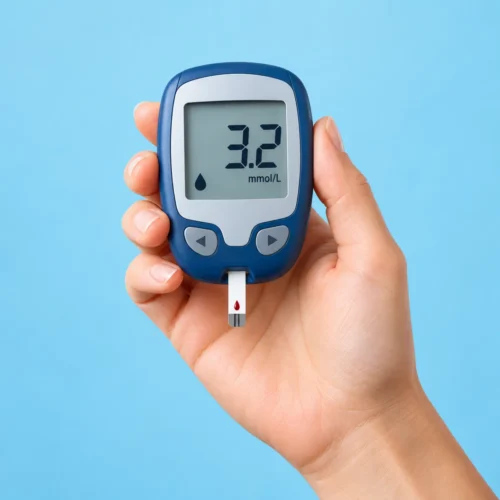
Hypoglycaemia occurs when blood sugar levels drop too low, usually below 4 mmol/L. This drop in glucose, the sugar that provides energy to your body, can cause symptoms that should not be ignored. Common signs include fatigue, trembling, sweating, sudden hunger and mental confusion. Recognising these symptoms and knowing how to respond quickly is especially important for people with diabetes who take insulin or certain diabetes medicines.
Originally Published: 2017 | Last Updated: 15 October 2026 | Author: Anthony Cunningham, Health Writer & Editor
For official information on recognising and treating hypoglycaemia, see the NHS guide to low blood sugar.
Who’s at Risk?
People with diabetes are most familiar with hypoglycaemia, often calling it a “hypo”. It typically happens when there is an imbalance between diabetes medication, food intake and physical activity. Taking too much insulin, missing a meal or exercising more than usual can all cause blood sugar levels to fall.
People taking insulin or certain diabetes medicines, including sulfonylureas, are particularly at risk. However, diabetes is not the only possible cause. Although less common, low blood sugar in people without diabetes may be associated with:
- Certain inherited or metabolic conditions.
- Rare insulin-producing tumours and some other serious illnesses.
- Severe infections or significant illness.
- Heavy alcohol consumption, particularly without eating.
- Certain medicines or medical conditions that affect blood sugar regulation.
If you experience symptoms of low blood sugar and do not have diabetes, speak to your GP. Repeated episodes need medical assessment to establish the cause.
Recognising and Treating Low Blood Sugar
Quick treatment is essential when blood sugar drops. Symptoms can develop suddenly and may include shaking, sweating, hunger, dizziness, a racing heartbeat, irritability, difficulty concentrating and confusion. More severe episodes can cause seizures or loss of consciousness.
For people with diabetes, a blood glucose reading below 4 mmol/L is generally treated as a hypo. If you have symptoms, check your blood glucose if possible, but do not delay treatment when a hypo is strongly suspected.
How to Treat a Hypo
These steps apply to someone who is fully conscious and able to swallow safely.
- Take 15–20 g of fast-acting carbohydrate. Suitable examples include glucose or dextrose tablets, a small glass of fruit juice or a sugary, non-diet soft drink. Check the packaging for the amount needed to provide 15–20 g of carbohydrate.
- Wait 10–15 minutes. Rest and check your blood glucose again.
- Repeat if necessary. If your blood glucose is still below 4 mmol/L, take another 15–20 g of fast-acting carbohydrate and check again after 10–15 minutes.
- Prevent another drop. Once your symptoms have improved and your blood glucose is above 4 mmol/L, you may need a longer-acting carbohydrate snack, such as toast, biscuits or a sandwich, or your next meal if it is due. Follow your diabetes team’s individual advice.
Important: Children may need smaller quantities, and people using insulin pumps or automated insulin delivery systems may have different treatment instructions. Follow the plan provided by your diabetes team.
Glucose tablets are a convenient option because they provide a measured amount of fast-acting carbohydrate. Fruit juice and ordinary sugary drinks can also help. Chocolate is not a preferred first treatment because its fat content can slow the absorption of sugar.
What If Someone Has a Severe Hypo?
A severe hypo may leave someone very confused, unable to swallow safely, having a seizure or unconscious. This is a medical emergency.
- Call 999 immediately if the person is unconscious, having a seizure or unable to swallow safely.
- Do not give food, drinks or glucose gel by mouth to someone who is unconscious or cannot swallow safely, because they could choke.
- If the person is unconscious but breathing normally, place them in the recovery position.
- If glucagon is available and someone knows how to administer it, it may be given according to the instructions while waiting for emergency help.
- If the person is not breathing normally, follow the emergency call handler’s instructions and begin CPR if advised.
Glucagon is a hormone that helps the liver release stored glucose into the blood. It may be used to treat severe hypoglycaemia, but emergency assistance is still essential.
Prevention and Management
People with diabetes who are at risk of hypos need to take steps to prevent low blood sugar. This involves several key approaches.
Checking blood sugar as advised by your diabetes team is important, as is reviewing insulin or medicine doses when necessary. Eating regular meals and understanding how carbohydrate intake affects glucose levels can help keep blood sugar steady. Exercise matters too, but people need to balance physical activity with what they eat and the medication they take.
Other useful precautions include carrying a fast-acting source of glucose, being aware of the effects of alcohol and discussing frequent hypos with your GP or diabetes team. Do not change prescribed insulin or diabetes medicine doses without appropriate medical guidance.
New technology has made it easier to manage diabetes. Continuous glucose monitors (CGMs) can show glucose trends and warn users when levels are falling. Some insulin pumps and automated insulin delivery systems can also help reduce the risk of low blood sugar.
However, sensor readings may lag behind actual blood glucose levels, particularly when glucose is changing quickly. Follow your device instructions and use a finger-prick blood glucose test when recommended.
Education and Support
Understanding hypoglycaemia is important not just for people with diabetes, but for their support network as well. Family members, friends and colleagues should be able to recognise low blood sugar signs and know how to assist in a crisis.
This knowledge can save lives, especially because confusion during a hypo may prevent someone from recognising that they need help.
People who experience frequent hypos should discuss a personalised management plan with their diabetes team. This may include training family members in how to respond to severe episodes and how to use prescribed glucagon.
For a personal perspective, read our article on living with low blood sugar.
When to Get Doctor’s Help
Although people with diabetes can often treat mild hypoglycaemia themselves, some situations require medical attention:
- Call 999 if someone loses consciousness, has a seizure or cannot swallow safely.
- Seek urgent medical advice if symptoms or low glucose readings persist despite repeated appropriate treatment, or if the person is becoming increasingly unwell.
- Arrange a review with your GP or diabetes team if hypos happen frequently, become more severe or occur without the usual warning signs.
- Speak to your GP if you have symptoms suggesting hypoglycaemia but have not been diagnosed with diabetes.
Healthcare professionals can help create individual plans that take account of lifestyle, medication needs and risk factors. They can also review treatment plans to help prevent future episodes.
Although low blood sugar can be frightening, recognising the warning signs and knowing how to respond can make a significant difference. The most important thing is to act promptly when blood sugar falls too low and to seek help when symptoms are severe or keep returning.
Further Information
For more information about hypoglycaemia, its symptoms and treatment, consult these trusted UK resources:
About the Author
Anthony Cunningham, BA (Hons), MA, is a UK-based health writer and editor with over 20 years’ experience running Zoom Health, a trusted source for home health tests, preventive care, and wellness guidance. He creates clear, evidence-based articles using NHS, NICE, and WHO guidance. Where possible, content is reviewed by practising clinicians to enhance accuracy and reliability, helping readers make informed healthcare decisions.
Medical Disclaimer
This article is for general information only and is not a substitute for professional medical advice, diagnosis or treatment. If you have concerns about your health or symptoms, speak to your GP or another qualified healthcare professional. In an emergency, seek urgent medical help.