On a regular, if not permanent basis, one out of every six couples sleep separately, however research has shown that snuggling up with your partner appears to help with sleeping better. And we all know how important sleep is!
For those who sleep very well, around 82% according to studies, sleep with their partner. On the other hand, for those who sleep alone, 17% of them sleep very poorly.
The research is indicating that couples who share the same bed tend to stay together and they seem to be healthier too
Sharing a bed an indication of intimacy and the research also shows that being close with your partner reduces stress hormones and increases the sense of security and safety.
As we get older, our lifestyles change and we face different personal issues – injuries, sickness, children or just aging. Going to a separate bed might the only other option available. Research shows that more couples are opting to sleep in separate beds and unfortunately, this might signal that the relationship might be ending.
Keep the Romance Alive This Valentine’s Day
As it is Valentine’s Day today, keep the romance alive, keep the “love” flames burning by snuggling up to your partner and in a big comfortable bed – the ideal way to start a good night’s sleep!
Below are some useful tips for sharing your bed with your partner:
- Make the effort to go to bed at the same time as your partner a minimum of three nights weekly. Couples have different body clocks and their bedtimes vary – this becomes a problem if they go to bed at different times every night.
- Be calm. Take the time to do something relaxing together before bed: a gentle shoulder rub or a little PG-rated cuddling is a great way to wind down and de-stress.
- The bedroom should be a place of calm and tranquillity – no TVs, turn off cell phones and other gadgets that might distract from sleep and intimacy.
- Exercise regularly. Doing a workout during the day could eliminate night time restlessness, but don’t do it close to bedtime, do it at least two hours prior to bedtime.
Duvet Hugging?
- Does your partner hug the duvet? Two single duvets solve this problem! If your partner likes a different temperature, separate duvets are a great solution. To get a good night’s sleep, the ideal temperature ranges from 180C to 240C. Separate duvets with the individual’s ideal tog rating will ensure each partner has their perfect sleeping temperature.
- Get the biggest bed that your room size and budget will allow. With a 4’6″ wide standard double bed, you only get enough space of a baby’s cot for sleeping. The bigger the bed the less you disturb your partner.
- Make sure your bedroom has a calm and tranquil atmosphere – turn off the TV, smartphones, and other electronics that could distract you from sleep and intimacy.
Sleeping Better When Sharing A Bed
Both partners should feel comfortable in the shared bed, therefore, it is best to shop for a bed together. The advanced beds available today (like zoned or zip-and-link mattresses) make it possible for partners with different support and comfort levels to find a bed that works for both of them.
- If you find that you are rolling towards your partner in bed, this is a good indicator that the mattress needs replacing. It might be a cute feature at the beginning of the relationship; however, like snoring, it gets annoying quickly. You could avoid further bickering with a new bed.
- Remember to avoid smoking, alcohol, caffeine and working out right before bedtime, since these stimulants might make it harder to have a good night’s sleep.
- Essential oils such as lavender can help you sleep better. Tisserand do a sleep better roller ball just for this.
- Another option is a relaxing sleep balm or massage oil.
- White noise is relaxing and creates an atmosphere that is soothing and sleep-friendly. You can play soothing nature sounds with white noise machines, so just find that ideal white noise mix that will provide a peaceful night’s sleep for you and your partner.
Paint It Black!
- Create a dark and quiet surrounding. Don’t overlook this piece of advice. Many people aren’t aware that they usually sleep in bright and noisy places and are even exposed to these conditions during the day. If you happen to fall asleep during the night, flickering streetlights and noisy neighbours might filter through your windows and break your sleep cycles.
- Follow up on our tips on blocking out noise for a better night’s sleep.
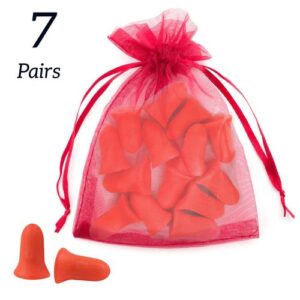
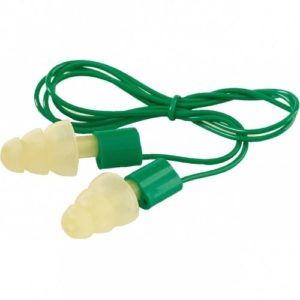
- If you are tossing and turning, you are probably affecting your spouse’s quality of sleep. Irrespective of time and place, a sleep mask makes it dark anywhere and when combined with a pair of soft earplugs, you will enjoy a peaceful sleep.
- If snoring is a problem, one or both of you might benefit from earplugs! Breathe Right Nasal Strips can also reduce snoring noise.
Last but by no means least; do not go to sleep angry. Come to some kind of resolution before going to bed. It makes for great sleeping and is healthy for the relationship.
This post has been updated since its original publication in 2019.
Photo by Toa Heftiba on Unsplash
Zoom Health is a leading supplier of home health tests, earplugs and vitamins.