About This Article
Zoom Health has provided health and wellbeing products and guidance for over 20 years. This article explains why sleep matters, how sleep stages work, how much sleep different age groups need and when earplugs may help with night-time noise.
Published: 1 April 2024 | Last Updated: 27 September 2026 | By Anthony Cunningham
Sleep is essential for physical and mental health. A good night’s sleep can help you think clearly, regulate your mood and feel ready for the day. The amount you need varies, but both the length and quality of your sleep matter.
Contents
- Why Sleep Is Important
- The Stages of Sleep
- The Benefits of Getting Enough Sleep
- How Much Sleep Do You Need?
- Sleeping When Noise Is a Problem
- Choosing Earplugs for Sleep
- When to Seek Help
Why Sleep Is Important
Sleep is an active process. Your brain and body cycle through different stages during the night, while processes involved in memory, mood and physical health continue. Feeling tired occasionally is normal, but regularly sleeping poorly can make it harder to concentrate, manage emotions and carry out everyday tasks.
There is no single number of hours that suits everyone. It helps to pay attention to how you feel during the day as well as how long you spend in bed. If you frequently wake feeling unrefreshed, it may be worth looking at your sleep habits or seeking advice.
The Stages of Sleep
Sleep includes three stages of non-rapid eye movement (non-REM) sleep and a stage called rapid eye movement (REM) sleep. These stages recur in cycles through the night. A cycle often lasts around 80 to 100 minutes, although it varies; each individual stage does not last 90 minutes.
- Stage 1, falling asleep: The transition from wakefulness to sleep. You may wake easily.
- Stage 2, light sleep: You are asleep, and your heart rate and breathing generally slow.
- Stage 3, deep sleep: This is the deepest stage of non-REM sleep and is usually more prominent earlier in the night.
- REM sleep: Brain activity becomes more like that seen when awake, and vivid dreaming often occurs. REM is a distinct stage, not the deepest stage of sleep.
The pattern changes across the night and with age. You do not need to track each stage to benefit from a regular sleep routine. The US National Heart, Lung, and Blood Institute explains the stages of sleep in more detail.
The Benefits of Getting Enough Sleep
Attention and memory: When you are short of sleep, concentration and decision-making may suffer. Adequate sleep supports learning and memory.
Mood: A poor night can leave you irritable or less able to cope with stress. Persistent sleep problems can also occur alongside mental health difficulties, so it is worth taking them seriously.
Physical health: Consistently getting enough good-quality sleep supports normal immune function and general health. Short sleep is associated with conditions including type 2 diabetes and heart disease, but sleep is only one factor. It would be misleading to say that a few poor nights directly cause these conditions or that sleeping well prevents them.
Appetite and energy: Too little sleep can affect hunger, food choices and the energy you have for physical activity. Weight is influenced by many factors, so better sleep should not be presented as a guaranteed way to lose weight.
How Much Sleep Do You Need?
The NHS advises that adults need about 7 to 9 hours on average. Children generally need more. The following age-specific ranges are from the US Centers for Disease Control and Prevention and include naps where indicated:
- Newborns, 0 to 3 months: 14 to 17 hours in 24 hours.
- Infants, 4 to 12 months: 12 to 16 hours, including naps.
- Toddlers, 1 to 2 years: 11 to 14 hours, including naps.
- Children, 3 to 5 years: 10 to 13 hours, including naps.
- Children, 6 to 12 years: 9 to 12 hours.
- Teenagers, 13 to 17 years: 8 to 10 hours.
These are guides rather than targets that must be met exactly every night. Older adults still need sleep, although their sleep patterns may change. If you are regularly tired in the daytime despite allowing enough time for sleep, speak to a healthcare professional.
Sleeping When Noise Is a Problem
Traffic, neighbours or a partner’s snoring can make it difficult to settle or stay asleep. The NHS suggests making the bedroom dark and quiet, and trying earplugs if noise is a problem. Curtains, a consistent bedtime and reducing caffeine later in the day may also help. NHS sleep tips offer more ideas.
Earplugs reduce some sounds; they do not block every noise or treat the underlying cause of insomnia. If snoring is loud and accompanied by pauses in breathing, gasping or marked daytime sleepiness, it is sensible to seek medical advice rather than simply mask the sound.
Choosing Earplugs for Sleep
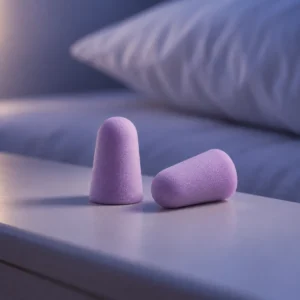
Comfort and fit vary from person to person. Foam, silicone and wax earplugs feel different, and the right choice depends on your ears and how you sleep. Follow the instructions for the particular product, keep reusable plugs clean and replace disposable plugs as directed. Stop using them if they cause pain or irritation; ask a pharmacist or GP for advice if you have an ear condition.
A sample pack can help you compare styles before buying a larger quantity. Zoom Health’s Men’s Earplugs Sample Pack and Women’s Earplugs Sample Pack each contain 15 pairs in a mix of materials. Despite their names, choose according to fit and comfort rather than gender. Pack contents may change, so check the product page for the current selection.

Featured Product: Women’s Earplugs Sample Pack
If standard earplugs feel too large, the Women’s Earplugs Sample Pack lets you compare 15 pairs, including smaller-fit options, before choosing a favourite. Fit is individual, and the selection may vary.
When to Seek Help
Noise is only one possible reason for poor sleep. Stress, pain, medicines and sleep conditions can also play a part. If changes to your sleep habits have not helped, you have had trouble sleeping for months, or tiredness is making daily life difficult, see your GP. You can also read the NHS guidance on insomnia.
Getting enough sleep matters, but it need not be perfect every night. A regular routine and a comfortable, quiet bedroom are useful starting points; earplugs may be one practical option when unwanted noise is keeping you awake.
About the Author
Anthony Cunningham, BA (Hons), MA, is a UK-based health writer and editor with over 20 years’ experience running Zoom Health, a trusted source for home health tests, preventive care, and wellness guidance. He creates clear, evidence-based articles using NHS, NICE, and WHO guidance. Where possible, content is reviewed by practising clinicians to enhance accuracy and reliability, helping readers make informed healthcare decisions.
Medical Disclaimer
This article is for general information only and is not a substitute for professional medical advice, diagnosis or treatment. If you have concerns about your health or symptoms, speak to your GP or another qualified healthcare professional. In an emergency, seek urgent medical help.