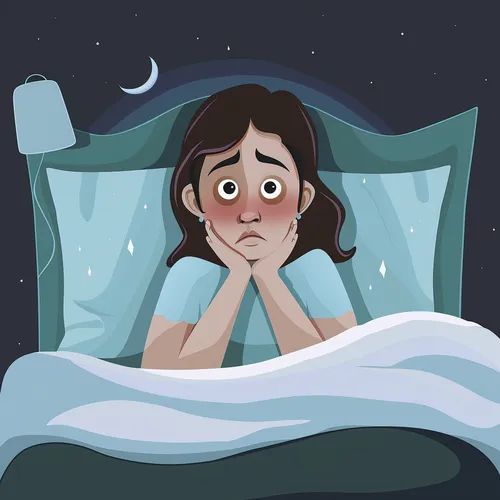
Insomnia is a very common sleep disorder whereby you find it difficult to fall asleep; you find it difficult to stay asleep, or you may wake up too early and be unable to get back to sleep. And when you do wake up, you still feel tired. While many people complain of lying awake for hours, watching the hours pass by on their bedside clock, what they may not realise is that chronic insomnia can contribute to some really serious health problems. At the very least, insomnia affects your mood, your energy levels, your work performance, your quality of life, and more importantly your overall health.
So let’s take a closer look at some things you can do if you have insomnia, and what it is that makes you feel so irritable, tired, and unable to concentrate the next day.
About Insomnia
Most people at some point in their lives have experienced short-term insomnia, also known as acute insomnia, which can last for a few days or even a few weeks. This is often caused by stress or a traumatic event. However, chronic insomnia is when insomnia is experienced for longer than a month. Whether insomnia is the primary problem, or whether it’s associated with medications or other medical conditions, is a matter that should be discussed with your health professional.
People with insomnia find it difficult to obtain restorative levels of sleep, with both the quality and quantity of sleeping affected. Short term, this lack of sleep may cause you to feel tired and weary during the day, but long-term, you’ll eventually become anxious, depressed, and easily annoyed.
Common Symptoms of Insomnia Include –
- Unable to fall asleep at night.
- Waking during the night, unable to sleep again.
- Waking too early before feeling rested.
- Daytime sleepiness or tiredness
- Not feeling well rested during the day
- Anxiety, irritability, depression
- Difficulty focusing on tasks, paying attention, or remembering
- Increasing number of accidents or mistakes
- Continuous worries about lack of sleep.
There Are A Wide Range of Conditions That May Be The Root Cause of Your Insomnia, like –
- Psychiatric conditions
- Pulmonary disease
- It might even be related to your high intake of alcohol or caffeine, both of which can disrupt your sleep cycle.
- How are your stress levels? We know that stress can be a vital factor when it comes to insomnia – your stress may be related to finances, a relationship, your work, school, your health, the environment, and so much more.
Other Causes of Insomnia
- Caffeine, Alcohol, and Nicotine: The nicotine found in tobacco products is a stimulant that can adversely affect sleep. Caffeinated drinks like cola, tea, and coffee are also stimulants, so consuming them in the late afternoon or evening can prevent you from falling asleep at bedtime. While alcohol often helps people fall asleep, it can cause awakening during the night and does prevent the deeper stages of sleep.
- Mental Health Issues: Post-traumatic stress disorder and other anxiety orders can be very disruptive to sleep. In fact, one symptom of depression is awakening too early.
- Sleep-Related Disorders: Restless Leg Syndrome can interrupt sleep, as can Sleep Apnoea because your sleep is interrupted periodically throughout the night.
- Prescription Medications: Some antidepressants and certain medications for blood pressure and asthma can interfere with sleep. Also, some over-the-counter medications like weight loss products, cold, allergy, and pain medications contain stimulants like caffeine that can disrupt sleep.
- Certain Medical Conditions: Some examples of conditions linked with insomnia include cancer, heart disease, chronic pain, diabetes, asthma, overactive thyroid, GERD (Gastroesophageal Reflux Disease), Alzheimer’s disease and Parkinson’s disease.
How Can I Remedy This Situation?
Below we’ve listed our top tips on how to manage insomnia.
Stick to a Routine: When you stick to a regular routine, you regulate your body’s clock. Ultimately, you teach your body to wake up at a consistent time, every day. Regulating your body clock is relatively easy to do – stop going to bed late during the week and stop sleeping in on weekends. Have a regular go-to-bed time and a regular get-out-of-bed time and stick to this routine 7 days a week. Eventually you won’t even need an alarm clock because your body clock will do it for you.
Wind Down Before Retiring For the Night: You should allow at least one hour every night before bedtime to allow your body to move into sleep mode. This needs to be a calming activity, which means no computer or electronic devices. Don’t eat a heavy meal or drink caffeine or alcohol, and certainly do not exercise right before bed-time.
Manage Your Stress: The only way to get a good night’s sleep is to relax both your mind and body before you go to bed. If your mind is racing and you’re thinking of all the things you need to do, write them down. Make your plans for the next day before you even go into your bedroom. A great way to decrease anxiety and control stress is to meditate, and if you’re not sure how, you’ll find there are many guided meditations online. If you’re not into meditation, have you considered relaxing your body and mind by trying a vinyasa yoga sequence sometime between dinner and bed-time. Again, you’ll find many really good yoga tutorials online.
Create The Ideal Sleeping Environment: Create the perfect sleeping environment for you by wearing an eye mask to block out the light, earplugs to block outside noise, and invest in thick curtains. It’s also important that your bedroom temperature is not too warm – the temperature for optimal sleep is somewhere between 15 and 20°C. Lavender Pillow Spray can help to calm the senses and welcome sleep to your mind. Simply spray this relaxing blend on your pillows and duvet for gorgeous aromatherapy every night.

Let’s dig a little deeper into some strategies for getting better sleep.
The lifestyle changes and healthy sleep habits described here can go a long way toward overcoming insomnia without medications.
Make Your Bedroom an Oasis
Since you spend about a third of your life in the bedroom, this should be a calming sanctuary. Keep it cool, dark, quiet and clutter-free. Dim the lights and power down electronics an hour before bedtime. Ditch the TV, laptop and phone from the room entirely – the blue light messes with your circadian rhythms. Consider blackout curtains, a white noise machine, and keeping pets out to minimize disruptions.
Your mattress and pillow matter, too. If yours are old, lumpy or saggy, you’ll toss and turn. Splurge on a quality mattress and pillows designed for your preferred sleep position. Some people even sleep better on the “cool” side of the bed.
Be Mindful of What You Put in Your Body
We all know caffeine too close to bedtime will make it tough to fall asleep. But did you know alcohol has a similar effect? Though it may help you doze off initially, alcohol metabolizes quickly, leading to fragmented sleep later in the night.
Certain foods like spicy dishes, aged cheeses, cured meats, and sugary treats can also disrupt slumber when eaten too close to bedtime. Steer clear of big meals before bed as well – stick to a light snack if needed. And don’t forget to hydrate! Dehydration can lead to night sweats and wake you up feeling parched.
Create a “Shut Down” Routine
Having a predictable series of steps each night cues your brain that it’s time to power down. This could include light stretches or gentle yoga, taking a warm bath or shower, diffusing calming essential oils, practicing deep breathing exercises, or listening to soothing music.
Reading an (actual) book by soft lamplight can also help, as can writing in a gratitude journal. Just avoid anything too mentally stimulating close to bedtime. The key is finding a ritual specific to you that eases the mind before hitting the hay.
If You Can’t Sleep, Get Up
For those nights when insomnia persists, don’t just lie there ruminating. That only fuels frustration and makes quality sleep even harder. Instead, after 20 wakeful minutes, get up and do something relaxing like light reading or listening to peaceful music in another dimly lit room.
When you start to feel sleepy again, head back to bed. Repeat as needed, avoiding exposure to bright light which can further reset your circadian rhythms and wake drive. Though counterintuitive, sometimes trying too hard to sleep can backfire. Learn to let go and trust your body’s natural rhythms.
Should I Consult My Health Professional
The answer to this question is yes. You need to see your healthcare professional if insomnia is making it difficult for you to function during the day. The cause of your insomnia needs to be identified, and your doctor will offer ways to manage your sleep disorder. It may even be that you’ll be referred to a Sleep Centre or Clinic where your sleeping patterns will be closely monitored to determine how your insomnia can be eliminated.
Photo “Insomnia” by Anthony Cunningham for Zoom Health
Zoom Health is a leading UK supplier of Home Health Tests and Earplugs