About This Article
Zoom Health has supplied home health tests and pain management products to UK customers for nearly 20 years. This guide draws on our experience helping thousands of people manage chronic pain and understand their treatment options. Always consult a healthcare professional for medical advice.
Published: November 4, 2024 | Last Updated: January 15, 2026 | By: Anthony Cunningham
Quick Navigation
What is Chronic Pain?
Chronic pain affects around 28 million adults in the UK. Unlike acute pain, which typically lasts a few days or weeks and resolves as an injury heals, chronic pain persists for three months or longer. It can continue even after the original injury or illness has healed.
Chronic pain takes many forms and can affect any part of the body. Common conditions include arthritis, fibromyalgia, back pain, neuropathic pain (nerve damage), and migraine. The impact extends beyond physical discomfort, often affecting sleep, mood, work, and relationships.
Common Types of Chronic Pain
- Musculoskeletal pain: Arthritis, back pain, neck pain
- Neuropathic pain: Nerve damage from diabetes, shingles, or injury
- Fibromyalgia: Widespread pain with fatigue and sleep problems
- Headache disorders: Chronic migraine or tension headaches
- Visceral pain: From internal organs such as irritable bowel syndrome
The good news is that whilst chronic pain can’t always be cured, it can be effectively managed. A combination of medical treatment, self-management strategies, and support resources can significantly improve quality of life.
Getting Professional Help in the UK
While pain medications can help manage symptoms, there are many other resources available to improve quality of life. The NHS provides several pathways for chronic pain support, and knowing where to start can make a significant difference to your care journey.
Consult Your Pharmacist
As community health experts, pharmacists can provide personalised guidance on pain management. They offer assessments to help identify the source of pain and create action plans with achievable goals. Pharmacies provide a convenient first stop to get advice and over-the-counter recommendations tailored to your needs.
When meeting with a pharmacist, be prepared to explain your symptoms and medical history in detail. Bring a list of all prescription and over-the-counter medications you currently take to check for interactions. Pharmacists can provide advice on using analgesia correctly to maximise pain relief. They may recommend trying heat pads, ice packs or topical treatments for temporary relief as well. Pharmacists can also check if you qualify for free prescriptions due to health conditions or income level. Take advantage of their expertise in medication management tailored to your situation.
See Your General Practitioner
Schedule an appointment with your GP to discuss persistent pain. They will examine you and review your medical history in detail to determine the underlying cause. Be prepared to describe your symptoms, pinpoint areas of pain, and explain how it impacts your daily life. If appropriate, your GP may suggest gentle exercises or refer you to a specialist.
Waiting weeks or months to see a GP can be frustrating when you are in constant pain. Make the most of your limited consultation time by being organised and focused. Here are some tips to prepare:
- Note when pain started, activities that aggravate it and anything that provides relief
- List how pain impacts sleep, mood, daily functions and quality of life
- Bring all medications and supplements to review
- Compile medical records and test results from other doctors
- Outline any stressors or mood changes occurring when pain worsened
- Consider keeping a pain diary to identify triggers and patterns
- Make a list of questions and goals for the appointment
Providing clear and detailed information will assist your GP in making an accurate diagnosis and creating an effective treatment plan. Being an engaged and proactive patient can help ensure you get the care you need.
NHS Referral to Pain Specialists
Ask your GP for a referral to a specialised pain clinic if your symptoms are difficult to control. NHS pain clinics offer multidisciplinary approaches to chronic pain management, bringing together different healthcare professionals to develop personalised treatment plans.
Referral waiting times vary by region and can range from a few weeks to several months. Your GP can advise on typical waiting times in your area. While waiting for your appointment, continue with any self-management strategies your GP has recommended.
What Pain Clinics Offer
- Medications and medication reviews
- Pain relief injections and nerve blocks
- Manual therapy and physiotherapy
- Structured exercise programs
- TENS therapy and other electrotherapy options
- Complementary treatments such as acupuncture
- Psychological therapy including CBT
TENS Therapy for Pain Relief
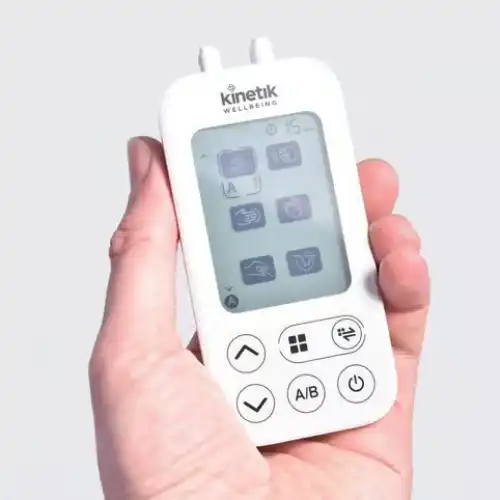
Transcutaneous Electrical Nerve Stimulation (TENS) is a drug-free pain relief method that uses mild electrical pulses delivered through electrodes placed on the skin. TENS machines are widely used in NHS pain clinics and are available for home use.
TENS works by stimulating nerves to block pain signals from reaching the brain. It may also encourage the body to produce natural pain-relieving chemicals called endorphins. Many people find TENS helpful for managing chronic pain conditions including arthritis, back pain, period pain, and sports injuries.
The beauty of TENS therapy is that it can be used alongside other treatments. It’s non-invasive, has few side effects, and gives you control over your pain management. Units are portable, allowing you to use them whilst going about your daily activities.
Who Can Benefit from TENS?
TENS therapy may be particularly helpful for:
- Chronic back or neck pain
- Arthritis and joint pain
- Neuropathic pain conditions
- Fibromyalgia
- Sports injuries and muscle strain
- Period pain
Note: TENS is not suitable for everyone. Do not use if you have a pacemaker, are pregnant (without medical advice), or have epilepsy. Always read the manufacturer’s instructions.
What Customers Say
★★★★★ Thomas Peters – November 2025
“Really excellent product. Comfortable to use and greatly assists with discomfort.”
★★★★ Elaine Westcombe – February 2025
“Easy to use.”
Take Action: Explore our range of TENS machines for pain management to find the right solution for your needs.
Pain Management Programs
Some pain clinics offer structured programs aiming to improve functioning and quality of life. These sessions teach practical skills like:
- Gentle aerobic exercise
- Relaxation techniques
- Mindfulness training
- Pacing activities to avoid flare-ups
- Managing emotions related to chronic pain
- Group support
Learning self-management strategies with support from professionals can be extremely helpful. Pain management programmes typically run for several weeks, with group sessions led by physiotherapists, psychologists, and other specialists.
These programmes don’t focus on curing pain but rather on helping you live well despite it. Research shows that people who complete pain management programmes often experience improved mood, better sleep, increased activity levels, and reduced reliance on pain medications.
What to Expect from a Pain Management Programme
Typical programmes include:
- Week 1-2: Understanding pain, setting realistic goals
- Week 3-4: Activity pacing, exercise introduction
- Week 5-6: Stress management, relaxation techniques
- Week 7-8: Cognitive strategies, managing setbacks
- Week 9-10: Maintaining progress, relapse prevention
Self-Management Strategies
Between medical appointments, there’s much you can do to manage chronic pain yourself. Self-management doesn’t mean going it alone – it means taking an active role in your care with professional guidance.
Activity Pacing
Pacing involves breaking activities into smaller chunks with rest periods in between. Rather than pushing through until pain forces you to stop, you work within your limits and gradually build up your tolerance. This approach helps prevent the boom-bust cycle where periods of overactivity are followed by prolonged rest due to pain flare-ups.
Gentle Exercise
It might seem counterintuitive, but regular gentle exercise can help reduce chronic pain. Activities like walking, swimming, yoga, or tai chi can improve strength, flexibility, and mood. Start slowly and build up gradually. A physiotherapist can help design an exercise programme suited to your condition and fitness level.
Sleep Hygiene
Chronic pain often disrupts sleep, and poor sleep can worsen pain – creating a vicious cycle. Good sleep hygiene practices include maintaining a regular sleep schedule, creating a comfortable sleep environment, avoiding screens before bedtime, and limiting caffeine in the evening.
Stress Reduction
Stress and anxiety can amplify pain signals. Relaxation techniques such as deep breathing, progressive muscle relaxation, or meditation can help. Many people find mindfulness particularly helpful for chronic pain as it teaches you to observe sensations without reacting emotionally to them.
Support and Resources
Many reputable organisations offer self-help resources for those living with chronic pain:
Charities focused on specific conditions like arthritis also provide targeted support. Connecting with others experiencing similar struggles can provide validation and ideas for better coping.
Online Communities
In addition to charity-run support groups, people living with chronic pain often benefit from connecting with others through online forums and social media groups. This is not without its pitfalls though, so be careful which groups you join. A reputable support group is needed if you are to avoid misinformation and internet nonsense!
When you do find a good group, anonymously sharing experiences and advice in a judgement-free environment provides validation and hope. Seeing how others cope with flares or setbacks can help you feel less alone. Always check group rules and talk to your doctor before drastically changing your treatment protocol based on unverified advice. Use online communities as supplemental support rather than a replacement for professional healthcare.
Medication Management
Pain medications play an important role in chronic pain management, but they work best as part of a broader treatment plan. NICE guidance recommends a stepped approach to pain medication, starting with the simplest options and only progressing to stronger medications when necessary.
Types of Pain Medication
Different types of medication work for different types of pain:
- Simple analgesics: Paracetamol for mild pain
- NSAIDs: Ibuprofen or naproxen for inflammatory pain
- Neuropathic agents: Gabapentin or amitriptyline for nerve pain
- Weak opioids: Codeine or tramadol for moderate pain
- Strong opioids: Morphine or oxycodone for severe pain (used cautiously due to dependency risks)
Your GP or pain specialist will work with you to find the right combination. Be honest about side effects and how well medications are working. Regular reviews ensure you’re getting the best results with the fewest side effects.
Prescription Costs and Exemptions
If you need regular prescriptions, costs can add up quickly. You may qualify for free NHS prescriptions if you have certain medical conditions, receive certain benefits, or are over 60. If you don’t qualify for free prescriptions but need regular medications, a Prescription Prepayment Certificate (PPC) can save money if you need more than three items in three months or 12 items in a year.
Frequently Asked Questions
How long does chronic pain last?
By definition, chronic pain lasts three months or longer. Some people experience it for years, whilst others find it gradually improves with treatment and self-management. The duration varies greatly depending on the underlying cause and individual circumstances.
Do I need a GP referral to see a pain specialist?
Yes, you’ll need a referral from your GP to access NHS pain clinics. Your GP will assess your situation and determine whether specialist input is appropriate. Private pain clinics can be accessed without a referral, though you’ll need to pay for treatment.
Are pain management programmes free on the NHS?
Yes, pain management programmes offered through NHS pain clinics are free. You’ll need a GP referral to access them. Waiting times vary by region, typically ranging from a few weeks to several months.
Can TENS machines help with chronic pain?
Many people find TENS machines helpful for managing chronic pain, particularly for conditions like arthritis, back pain, and neuropathic pain. They work by blocking pain signals and may help the body produce natural pain-relieving endorphins. TENS is most effective when used as part of a broader pain management strategy.
What’s the difference between a pain clinic and a pain management programme?
A pain clinic is a medical facility where you’ll see specialists for assessment and various treatments including medications, injections, and therapies. A pain management programme is a structured, time-limited course (usually 8-12 weeks) that teaches self-management skills through group sessions. Many pain clinics offer both individual appointments and pain management programmes.
Should I keep taking pain medication if it’s not working?
If your pain medication isn’t providing adequate relief, speak to your GP or pain specialist. They can adjust the dose, try a different medication, or add another treatment to your plan. Never stop taking prescribed pain medication suddenly without medical advice, as some medications need to be reduced gradually to avoid withdrawal symptoms.
Moving Forward with Chronic Pain
While living with constant pain presents challenges, there are many resources available in the UK healthcare system. Seeking help through pharmacies, general practitioners, support groups, pain clinics and structured programmes can improve pain control and daily functioning. Don’t hesitate to reach out – you don’t have to tackle chronic pain alone.
Remember that managing chronic pain is often about making small, sustainable changes rather than seeking a single cure. Building a toolkit of strategies that work for you – whether that’s medication, TENS therapy, exercise, relaxation techniques, or a combination – gives you more control over your pain and your life.
About the Author
Anthony Cunningham – Health Writer & Editor
Anthony Cunningham, BA (Hons), MA, is a UK-based health writer and editor with over 20 years’ experience running Zoom Health, a trusted source for home health tests, preventive care, and wellness guidance. He creates clear, evidence-based articles using NHS, NICE, and WHO guidance. Where possible, content is reviewed by practising clinicians to enhance accuracy and reliability, helping readers make informed healthcare decisions.
You May Also Like
Explore more articles on pain management and health: