About This Article
About This Article: Zoom Health has supplied home health products and vitamins to UK customers for nearly 20 years. This article is for general information only and does not constitute medical advice. Always consult your GP or a qualified healthcare professional before starting any new supplement, particularly if you are pregnant, breastfeeding, taking prescribed medication, or managing a medical condition. Food supplements are not a substitute for a balanced diet and healthy lifestyle.
Published: 4 May 2026 | By: Anthony Cunningham
Every winter, and particularly during cold and flu season, the phrase “immune boosting” appears on countless supplement labels, health articles and social media posts. The implication is that the immune system is something you can turn up like a dial – give it the right supplement and it works harder, stronger, better. The reality is more nuanced and, I think, more interesting. The immune system is an extraordinarily complex network of cells, tissues, organs and signalling molecules that has evolved over millions of years to identify and respond to pathogens. You cannot meaningfully “boost” it as a whole. What you can do is ensure it has the nutritional building blocks it needs to function normally – and that, for a significant proportion of UK adults with suboptimal nutritional status in key micronutrients, is a genuinely worthwhile thing to address.
Why “Immune Boosting” Is the Wrong Framework
The immune system is not uniformly more effective when it is more active. An overactive immune system causes autoimmune conditions, chronic inflammation and allergic disease. The goal of immune system health is not maximum activity but appropriate, well-regulated activity – responding effectively to genuine threats while tolerating the body’s own tissues and harmless environmental substances. Supplements do not modulate immune activity in the way this framing implies.
What is well established is that deficiency in certain key micronutrients impairs normal immune function. Vitamin C, vitamin D, zinc and several B vitamins all have specific and documented roles in the normal functioning of the immune system – roles confirmed by the European Food Safety Authority and reflected in permitted health claims on UK food supplements. The practical implication is straightforward: if your nutritional status in these micronutrients is inadequate, supplementing them may support immune function returning to its normal operating level. This is not boosting a well-nourished immune system beyond its normal capacity. It is correcting a deficit that may be impairing it.
The Key Nutrients for Normal Immune Function
Several micronutrients have well-established roles in supporting the normal function of the immune system, confirmed by EFSA-approved health claims.
Vitamin C contributes to the normal function of the immune system and to the protection of cells from oxidative stress. It supports the production and function of white blood cells, helps maintain the integrity of skin and mucosal barriers that form the body’s first line of defence against pathogens, and has a role in the inflammatory response. As a water-soluble vitamin, it is not stored in the body and must be obtained regularly from food or supplements.
Vitamin D contributes to the normal function of the immune system. As covered in our vitamin D guide, deficiency is widespread in the UK population and the NHS recommends supplementation during autumn and winter for the entire population. Vitamin D receptors are present on immune cells, and vitamin D plays a role in regulating both the innate and adaptive immune responses. Research has associated vitamin D deficiency with increased susceptibility to respiratory infections.
Zinc contributes to the normal function of the immune system and to the protection of cells from oxidative stress. It is involved in the development and function of immune cells including neutrophils, natural killer cells and T lymphocytes. Zinc cannot be stored in the body and must be obtained regularly through diet – meat, shellfish, legumes and seeds are good dietary sources, but inadequate zinc intake is common in people with limited meat consumption or poor dietary variety.
Probiotics – while not a vitamin or mineral – are increasingly recognised for their role in supporting gut health, and approximately 70% of the immune system is located in the gut-associated lymphoid tissue. A healthy gut microbiome supports the development and regulation of immune responses, and probiotics that contribute to healthy gut flora may indirectly support normal immune function as part of this gut-immune axis.
When Are Supplements Most Relevant?
For people who eat a varied diet rich in fruit, vegetables, whole grains, lean protein and dairy or fortified plant alternatives, and who have adequate sun exposure during summer months, nutritional status across the key immune-relevant micronutrients is likely to be adequate for normal immune function. Supplements in this context provide little additional benefit for immune health.
The picture is different for people whose diet is restricted – whether through food preferences, budget constraints, digestive conditions or other factors – for those who have limited sun exposure throughout the year, for older adults whose absorption of several micronutrients declines with age, for people under sustained psychological or physical stress, and during autumn and winter when vitamin D synthesis is insufficient. In these scenarios, targeted supplementation addresses real nutritional gaps rather than providing theoretical benefits to an already well-nourished system.
What Supplements Cannot Do
It is worth being direct about what supplements cannot provide. They cannot prevent infection in a person with adequate nutritional status. They do not substitute for vaccination, good hygiene practices, adequate sleep, regular physical activity and stress management – all of which have robust evidence for their roles in supporting immune health. They do not treat infections once established. And taking higher doses than recommended does not provide more protection – the immune system does not scale linearly with nutrient intake, and excess amounts of fat-soluble vitamins including vitamin D can accumulate to harmful levels. Staying within recommended doses is important.
Our Immune System Supplements at Zoom Health
Lindens Vitamin C+ 1000mg Time Release Tablets
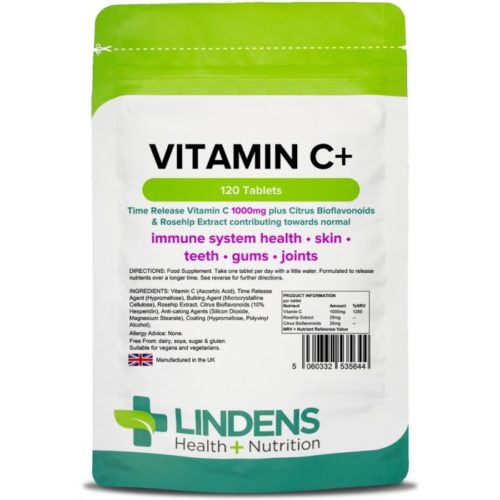
The Lindens Vitamin C+ 1000mg Time Release Tablets are my first recommendation for immune system nutritional support. The time-release formulation is a meaningful design feature: vitamin C is water-soluble and the body excretes excess amounts in urine, which means a large single dose delivers a spike of blood vitamin C followed by rapid decline. A time-release tablet delivers the 1000mg dose gradually over several hours, maintaining more consistent blood vitamin C levels throughout the day and improving effective absorption compared to a standard tablet at the same dose. Each tablet also contains rosehip extract and citrus bioflavonoids, which are naturally co-occurring plant compounds that complement vitamin C’s antioxidant activity. At 1250% NRV this is a high-dose supplement – appropriate for people with limited dietary vitamin C intake or during periods of increased physiological stress, and safe for daily use at this level for most adults.
1000mg Vitamin C | Time release | With rosehip and bioflavonoids | Vegan | Buy from Zoom Health
Lindens Zinc Citrate 50mg Tablets
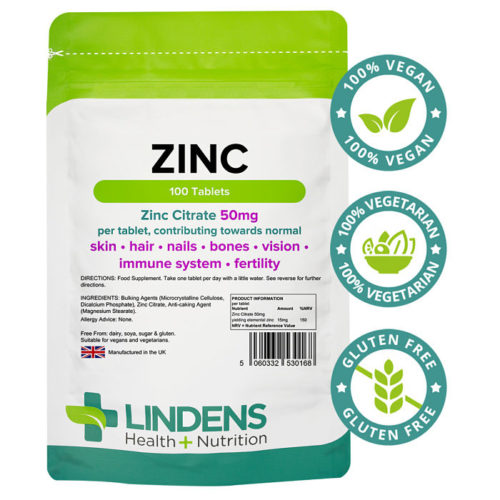
The Lindens Zinc Citrate 50mg Tablets provide 150% of the NRV for zinc in a citrate form – worth noting because zinc citrate is generally considered more bioavailable than zinc oxide, which is the cheaper form used in many supplements. Each tablet provides a meaningful dose in a single convenient daily tablet. Beyond immune function, zinc contributes to the maintenance of normal bones, skin, hair, nails and vision, and to normal cognitive function – making it a broadly useful micronutrient for overall health maintenance. The tablets are vegan and vegetarian friendly, free from dairy, soya, sugar and gluten, and manufactured by Lindens in the UK to ISO 9001 standards.
50mg Zinc Citrate | 150% NRV | High bioavailability form | Vegan | Buy from Zoom Health
Lindens Vitamin D3 1100IU Tablets

As covered in detail in our vitamin D guide, the Lindens Vitamin D3 1100IU Tablets are the most broadly relevant supplement for UK adults given the widespread nature of vitamin D deficiency and its documented role in normal immune function. If you take only one supplement from this post, the combination of vitamin D’s NHS-recommended status, the prevalence of UK deficiency, and its specific contribution to normal immune function makes this the highest-priority choice for most people. The NHS recommendation covers autumn and winter for the whole population; for those at higher risk, year-round supplementation is advised.
1100IU Vitamin D3 | NHS-recommended | Immune and bone health | Vegetarian | Buy from Zoom Health – £6.99
Lindens Pro Bio Live Max 6 Billion CFU Capsules
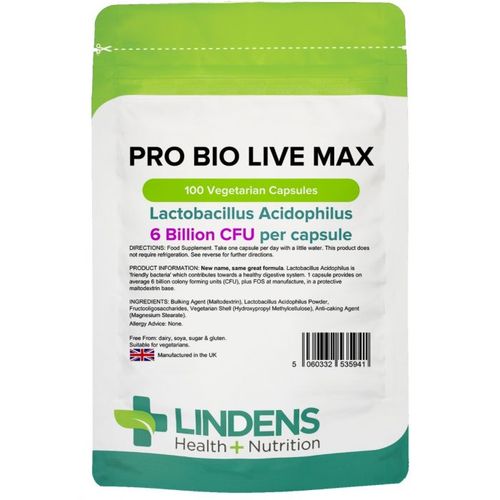
The Lindens Pro Bio Live Max 6 Billion CFU Capsules take a different approach to immune support – through the gut rather than direct micronutrient supplementation. Each vegetarian capsule delivers 6 billion colony forming units of Lactobacillus acidophilus, a well-researched strain of beneficial bacteria, along with 10mg of fructooligosaccharides (FOS) as a prebiotic to support the bacteria’s establishment in the gut. Given that the majority of the body’s immune tissue is located in the gastrointestinal tract, maintaining a healthy gut microbiome is a legitimate and evidence-supported approach to supporting the conditions in which the immune system functions. This is particularly relevant after a course of antibiotics – which disrupts gut flora – or for anyone with digestive symptoms that may indicate gut microbiome imbalance.
6 billion CFU | Lactobacillus acidophilus | With prebiotic FOS | Vegetarian | Buy from Zoom Health
Building an Immune-Supporting Supplement Routine
For most UK adults, a practical and evidence-based approach to nutritional immune support involves three steps. First, address vitamin D: take a 400 to 1000IU vitamin D3 supplement daily from October through to March at minimum, and year-round if you have limited sun exposure or darker skin pigmentation. Second, review dietary vitamin C and zinc intake honestly – if your diet is low in fruit, vegetables and varied protein sources, a daily vitamin C and zinc supplement fills real nutritional gaps. Third, consider gut health: if you have recently completed a course of antibiotics, have experienced digestive disruption, or simply want to support the gut-immune axis, a probiotic supplement providing multiple billion CFU of a well-researched Lactobacillus strain is a reasonable addition.
None of these steps requires expensive supplements or complex regimens. The Lindens range provides all of them at accessible price points with UK-manufactured quality assurance. The goal is consistent daily nutrition that keeps your immune system operating at its normal capacity – not a seasonal panic purchase when the first cold of winter appears.
Support your immune health year round
Browse our full range of Lindens health supplements at Zoom Health, including vitamins, minerals and specialist health support products.
About the Author
Anthony Cunningham – Health Writer & Editor
Anthony Cunningham, BA (Hons), MA, is a UK-based health writer and editor with over 20 years’ experience running Zoom Health, a trusted source for home health tests, preventive care, and wellness guidance. He creates clear, evidence-based articles using NHS, NICE, and WHO guidance. Where possible, content is reviewed by practising clinicians to enhance accuracy and reliability, helping readers make informed healthcare decisions.