About This Article
Zoom Health has supplied home health tests to UK customers for nearly 20 years. This guide draws on our experience helping thousands of people monitor their nutritional health and understand how dietary choices impact wellbeing. Always consult a healthcare professional for medical advice.
Published: September 17, 2024 | Last Updated: January 08, 2026 | By: Anthony Cunningham
Contents
The Hidden Burden of Poor Diet
Did you know that what’s on your plate might be silently sabotaging your health? The British Medical Association revealed in 2016 that poor diet contributes more to disease than physical inactivity, alcohol, and smoking combined.
Every year, a staggering 70,000 people in the UK die prematurely due to diet-related conditions. This dietary crisis costs the NHS approximately £6 billion annually—more than smoking, alcohol consumption, and physical inactivity put together.
Key Fact: Poor nutrition is the single largest modifiable risk factor for ill health in the UK, surpassing even smoking in its impact on public health.
The Birth of a Fruity Movement
The ‘5 a day’ campaign began in the United States in the late 1980s as a nutritional initiative to encourage fruit and vegetable consumption. The movement crossed the Atlantic when the Department of Health adopted it in the UK in 2000.
But why the emphasis on fruits and vegetables? These nutrient-packed foods are powerful allies against chronic disease. Research shows they help reduce the risk of strokes, heart disease, and certain types of cancer. According to NHS guidance, eating at least five portions of varied fruits and vegetables daily provides essential vitamins, minerals, and fibre your body needs.
What’s on the Menu?
You might be wondering if you need to munch raw vegetables all day. The good news? Your 5 a day can be much more varied and enjoyable than you think.
What Counts Towards Your 5 A Day?
- Frozen fruits and vegetables: Just as nutritious as fresh, often more affordable
- Canned produce: Convenient option, but watch for added sugar and salt
- Cooked vegetables: Tomato-based pasta sauces, vegetable soups, and stir-fries all count
- Dried fruit: A 30g portion (about one tablespoon) equals one portion
- Beans and pulses: Count as one portion maximum per day, regardless of amount eaten
- Fruit juice and smoothies: Limited to 150ml per day (counts as one portion maximum)
Understanding Portion Sizes
One portion equals approximately 80g of fresh, frozen, or canned produce. In practical terms, that’s:
- One medium-sized fruit (apple, orange, banana)
- Two smaller fruits (plums, satsumas, kiwis)
- Three heaped tablespoons of vegetables
- One cereal bowl of mixed salad
How to Get Your 5 A Day: Practical Tips
Achieving your 5 a day doesn’t require a complete dietary overhaul. Small, consistent changes can make a significant difference.
Breakfast Ideas
- Add berries, sliced banana, or chopped apple to your morning cereal or porridge
- Blend a fruit smoothie using frozen berries (more economical than fresh)
- Include tomatoes or mushrooms with your cooked breakfast
- Spread mashed avocado on wholegrain toast
Lunch and Dinner Strategies
- Fill half your plate with vegetables or salad at main meals
- Add extra vegetables to pasta sauces, curries, and stews
- Choose vegetable-based soups for a quick, nutritious lunch
- Swap half your usual rice or pasta for additional vegetables
- Keep frozen vegetables on hand for convenience
Snacking Solutions
- Pre-cut vegetable sticks (carrots, peppers, cucumber) with hummus
- Keep a fruit bowl visible on your kitchen counter
- Choose fresh fruit instead of biscuits with your afternoon tea
- Pack dried fruit and unsalted nuts for convenient on-the-go snacking
Budget-Friendly Tip: Frozen vegetables are often cheaper than fresh and just as nutritious. They’re picked and frozen at peak ripeness, locking in nutrients. Buy frozen mixed vegetables in bulk to save money and reduce food waste.
Global Recommendations: A Fruit Salad of Advice
While the UK maintains its 5 a day recommendation, international guidelines vary significantly. The World Health Organisation recommends at least 400g of fruits and vegetables daily, which aligns closely with the UK’s five 80g portions.
International Comparisons
- UK, Belgium, Germany: 5 portions daily
- Australia: 5 portions of vegetables plus 2 portions of fruit
- Canada: 7-8 portions for women, 8-10 portions for men
- United States: Varies by age and activity level, generally 5-9 portions
Some countries recommend significantly higher intakes. Canada’s guidance, for instance, suggests nearly double the UK recommendation. While this might seem ambitious, research indicates that greater fruit and vegetable consumption generally correlates with better health outcomes.
The Vitamin D Connection: A Critical Winter Nutrient
While eating your 5 a day provides many essential nutrients, one vital vitamin is particularly challenging to obtain through diet alone in the UK: Vitamin D.
Between October and March, sunlight in Britain isn’t strong enough for your skin to produce adequate Vitamin D. According to NHS guidance, up to a quarter of the UK population has low Vitamin D levels during winter months.
Why Vitamin D Matters
Vitamin D is essential for healthy bones, teeth, and muscle function. Deficiency can lead to:
- Rickets in children
- Osteomalacia (bone softening) in adults
- Increased risk of bone fractures
- Potential links to heart conditions, diabetes, and cognitive issues (research ongoing)
Who’s at Higher Risk?
The UK’s Chief Medical Officers identify these groups as particularly vulnerable to Vitamin D deficiency:
- Pregnant and breastfeeding women
- Infants and children under 5
- People aged 65 and over
- Those with limited sun exposure (cultural dress, housebound individuals)
- People with darker skin (African, African-Caribbean, South Asian heritage)
Food Sources of Vitamin D
While few foods naturally contain Vitamin D, these sources can help:
- Oily fish (salmon, mackerel, sardines, pilchards)
- Egg yolks
- Fortified foods (breakfast cereals, fat spreads, some plant-based milks)
- Red meat and liver (in smaller amounts)
However, diet alone rarely provides sufficient Vitamin D during UK winter months. The NHS recommends considering supplementation from October through March.
What Customers Say
★★★★★ Stephen J – January 2022
“Easy to use test with good instructions. Happy with this purchase.”
Take Action: Check Your Vitamin D Levels
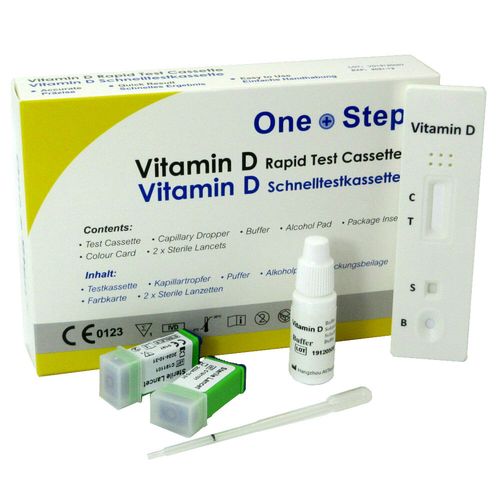
Concerned about your Vitamin D status during the winter months? Our home test provides accurate results within 10 minutes, helping you understand whether you need supplementation or dietary changes.
Seasonal Eating in the UK
Getting your 5 a day can feel more challenging during winter months when British-grown produce is limited. However, understanding seasonal availability can help you maintain variety while supporting local agriculture.
Winter Vegetables (October–March)
- Root vegetables: carrots, parsnips, turnips, swede, beetroot
- Brassicas: cabbage, Brussels sprouts, kale, cauliflower, broccoli
- Leeks and onions
- Winter squashes and pumpkins
Spring and Summer Abundance (April–September)
- Salad leaves, tomatoes, cucumbers, peppers
- British berries: strawberries, raspberries, blackberries
- Stone fruits: plums, cherries
- Peas, broad beans, runner beans, courgettes
Don’t forget that frozen produce bridges seasonal gaps. Vegetables frozen shortly after harvest often retain more nutrients than “fresh” produce that’s travelled long distances or sat in storage.
The Long Game: Investing in Your Health
You might wonder why public health authorities place such emphasis on fruit and vegetable consumption. The answer lies in long-term health outcomes and healthcare sustainability.
The UK’s aging population, combined with decades of suboptimal nutrition, creates a perfect storm for chronic disease. Today’s dietary choices compound over time, affecting health outcomes for the next 20 years and beyond.
Research consistently shows that adequate fruit and vegetable intake reduces the risk of:
- Cardiovascular disease (heart attacks and strokes)
- Type 2 diabetes
- Certain cancers (particularly digestive system cancers)
- Obesity and associated complications
- Cognitive decline in later life
The £6 billion annual NHS cost of poor diet represents not just financial burden, but preventable suffering. Every portion of fruits and vegetables you consume is an investment in your future health and quality of life.
Making It Stick: Building the Habit
Knowledge about nutrition means little without behaviour change. Here’s how to turn 5 a day from aspiration to daily reality.
Start Small and Build Gradually
If you currently eat minimal fruits and vegetables, don’t aim for five portions immediately. Add one portion daily for a week, then add another. Small, sustainable changes create lasting habits.
Make It Convenient
- Wash and chop vegetables immediately after shopping
- Keep washed, ready-to-eat fruit at eye level in your fridge
- Stock frozen vegetables for quick meal additions
- Pre-portion snack vegetables in containers for grab-and-go ease
Track Your Progress
Simply counting your daily portions increases awareness and accountability. Use a food diary app, make tick marks on a calendar, or use a simple notebook. Seeing your progress motivates continued effort.
Focus on Addition, Not Restriction
Rather than viewing this as giving up favourite foods, frame it as adding nutritious options. When you fill half your plate with vegetables, there’s naturally less room for less healthy choices—without feeling deprived.
Remember: This isn’t about perfection. Some days you’ll hit five portions easily; other days you might only manage two or three. What matters is the overall pattern over weeks and months, not individual days.
Your Personal Produce Revolution
Your plate has the power to change your health destiny. Whether you’re following the UK’s 5 a day guideline or aiming for Canada’s more ambitious recommendations, the message remains clear: more fruits and vegetables lead to better health outcomes.
This isn’t about perfection—it’s about progress. Perhaps today you’ll swap crisps for an apple. Tomorrow, you might add berries to your breakfast. Before you know it, these small choices compound into significant health improvements.
And don’t forget those nutrients that diet alone struggles to provide during British winters. Monitoring your Vitamin D status ensures you’re covering all nutritional bases, especially during the darker months when sunlight cannot do the job.
Are you ready to join the 5 a day revolution? Your body will thank you, your future self will appreciate the investment, and you might even discover new favourite foods along the way.
About the Author
Anthony Cunningham – Health Writer & Editor
Anthony Cunningham, BA (Hons), MA, is a UK-based health writer and editor with over 20 years’ experience running Zoom Health, a trusted source for home health tests, preventive care, and wellness guidance. He creates clear, evidence-based articles using NHS, NICE, and WHO guidance. Where possible, content is reviewed by practising clinicians to enhance accuracy and reliability, helping readers make informed healthcare decisions.
You May Also Like
Explore more articles on nutrition and health: