About This Article
Zoom Health has supplied home health tests to UK customers for nearly 20 years. This guide draws on our experience helping thousands of people monitor their health and understand diabetes warning signs. Always consult a healthcare professional for medical advice.
Published: 20 December 2023 | Last Updated: 10 January 2026 | By: Anthony Cunningham
Over 4 million people in the UK have been diagnosed with diabetes, but experts estimate there are 500,000 more who are unaware they have the condition. The vast majority – around 90% – have type 2 diabetes, which is often preventable.
Your mouth can reveal important clues about your blood sugar levels. Persistent dry mouth and fruity-smelling breath are two key warning signs, but they’re far from the only oral symptoms that may indicate diabetes. Understanding these signs can help you seek testing and treatment before serious complications develop.
Contents
Mouth Signs That May Indicate Diabetes
High blood sugar creates an environment in your mouth that affects saliva production, immune response, and tissue healing. According to Diabetes UK, people with poorly controlled diabetes are up to three times more likely to develop dental problems.
Persistent Dry Mouth (Xerostomia)
One of the earliest oral signs of diabetes is a chronically dry mouth. High blood glucose levels reduce saliva production, leaving your mouth feeling parched even after drinking water. This happens because elevated blood sugar causes frequent urination, which leads to dehydration.
Saliva plays a crucial role in washing away food particles and neutralising acids. Without adequate saliva, you’re at higher risk of tooth decay, bad breath, and difficulty swallowing or speaking.
Fruity or Sweet-Smelling Breath
If your breath has an unusual fruity or sweet smell – sometimes described as similar to nail polish remover – this could signal diabetic ketoacidosis (DKA), a serious complication. When your body can’t use glucose for energy, it breaks down fat instead, producing ketones that are expelled through your breath.
This symptom requires urgent medical attention. It’s most common in type 1 diabetes but can also occur in type 2 diabetes during periods of severe illness or stress.
Bleeding or Inflamed Gums
Diabetes weakens your immune system’s ability to fight bacteria in your mouth. This makes you more susceptible to gum disease (periodontitis), which often begins with red, swollen, or bleeding gums when you brush or floss.
Research published in the British Medical Journal shows a bidirectional relationship: diabetes increases gum disease risk, and gum disease can make blood sugar harder to control.
Oral Thrush (White Patches)
High blood sugar creates ideal conditions for the Candida fungus to thrive in your mouth. Oral thrush appears as creamy white patches on your tongue, inner cheeks, or gums. These patches may be painful and can bleed slightly when scraped.
If you notice persistent white patches that don’t brush away, this warrants investigation for diabetes, especially if accompanied by other symptoms.
Slow Healing of Mouth Sores
Diabetes impairs your body’s healing mechanisms. If you develop mouth ulcers, cuts, or sores that take weeks to heal rather than days, elevated blood sugar could be interfering with tissue repair and immune function.
Burning Mouth Syndrome
Some people with undiagnosed diabetes experience a burning sensation on their tongue or throughout their mouth. This can feel like you’ve scalded your mouth on hot food, even when you haven’t. The sensation may be constant or come and go throughout the day.
Altered Taste Perception
Changes in how food tastes – particularly a persistent metallic or bitter taste – can occur when diabetes affects your taste buds and saliva composition. You might find that familiar foods taste different or that you lose interest in eating.
Other Early Warning Symptoms
Alongside oral symptoms, watch for these common early signs of diabetes:
- Increased thirst and frequent urination – Your kidneys work harder to flush excess glucose from your blood
- Unexplained weight loss – Despite eating normally, you may lose weight as your body can’t properly use glucose for energy
- Persistent fatigue – Feeling exhausted even after adequate rest
- Blurred vision – High blood sugar affects the lens of your eye
- Slow-healing cuts or bruises – Not limited to your mouth
- Recurring infections – Particularly urinary tract or skin infections
The NHS notes that type 2 diabetes symptoms often develop gradually over several years. Many people don’t notice them at all, which is why testing becomes crucial if you experience any combination of these signs.
Understanding How Diabetes Affects Your Body
Diabetes impairs your body’s ability to regulate blood sugar levels. In type 1 diabetes, your pancreas produces insufficient insulin. In type 2 diabetes, your cells become resistant to insulin’s effects.
Left untreated, persistently high blood sugar damages blood vessels, nerves, kidneys, and eyes. Early detection through symptom awareness and testing can prevent these serious complications.
Why Home Urine Testing Helps
If you’ve noticed mouth-related symptoms or other warning signs, a home diabetes test provides quick clarity before your GP appointment. Urine testing offers several practical advantages for initial screening.
Non-Invasive and Accessible
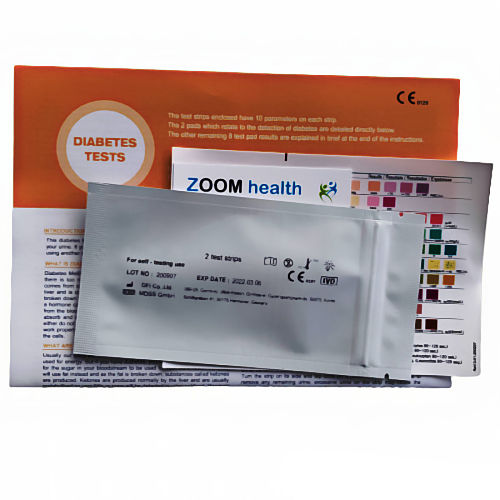
Unlike blood tests that require needle pricks, urine testing uses test strips that detect glucose and ketones in your urine. The Zoom Health Home Diabetes Test provides results within minutes, giving you information to discuss with your doctor.
Early Detection Opportunity
Glucose appears in urine when blood sugar levels are significantly elevated. While not a definitive diagnostic tool, detecting glucose in your urine signals that your blood sugar may be high enough to warrant medical investigation.
Ketones in urine indicate your body is breaking down fat for energy because it can’t properly use glucose. This is particularly important to monitor if you’re experiencing fruity breath or feeling unwell.
How to Use a Urine Test Strip
The testing process is straightforward:
- Collect a urine sample in a clean container
- Dip the test strip into the sample for the specified time (usually 1-2 seconds)
- Remove and tap off excess urine
- Wait for the recommended time (typically 30-60 seconds)
- Compare the colour changes on the strip to the chart provided
The test measures multiple parameters, including glucose and ketone levels. Clear instructions come with each kit to help you interpret your results accurately.
What Customers Say
★★★★★ Lorraine H. – June 2025
“The diabetes test kit was simple to do and fast, it also put my mind at easy. A good all rounder.”
★★★★★ Susan B. – December 2024
“Fast delivery of great product, which did the job just fine! Instructions easy to follow.”
★★★★★ Michael Rowe – March 2025
“Great item, easy to use, did exactly what I hoped for.”
Track Management of Existing Diabetes
For those already diagnosed with diabetes, regular urine testing helps assess whether treatment plans are working effectively. Checking glucose levels following meals shows how well insulin therapy or medications are controlling blood sugar spikes.
Monitoring ketones ensures levels remain safe and don’t become dangerously elevated. Quick urine tests allow frequent tracking at home between doctor’s appointments.
Monitor During Illness or Stress
Illness, injury, or emotional stress can all impact blood sugar control. Urine testing during these events helps gauge whether additional care is needed to prevent levels from becoming too high or low.
For individuals dependent on insulin, intensive monitoring for ketones is especially vital when sick to avoid diabetic ketoacidosis (DKA). Frequent urine testing allows quick checks without added doctor visits.
When to See Your GP
Home testing provides useful initial information, but it’s not a substitute for professional medical diagnosis. You should contact your GP if:
- Your urine test shows elevated glucose or ketone levels
- You’re experiencing multiple diabetes symptoms, especially mouth-related signs
- You have a family history of diabetes and notice any warning signs
- You’re over 40 and haven’t been screened for diabetes recently
- You have risk factors such as being overweight or having high blood pressure
⚠️ Seek Urgent Care If:
You have fruity-smelling breath combined with nausea, vomiting, abdominal pain, or rapid breathing. These may indicate diabetic ketoacidosis, which requires immediate medical attention.
Your GP can arrange a blood test – either a fasting glucose test or HbA1c test – to confirm diagnosis. The NHS recommends that everyone over 40 be screened for type 2 diabetes every three years, or more frequently if you have risk factors.
Preventing Type 2 Diabetes
Maintaining a healthy weight, eating a balanced diet rich in vegetables and whole grains, and exercising regularly can significantly reduce your risk of developing type 2 diabetes.
If you’ve been diagnosed with prediabetes, lifestyle changes can often prevent or delay progression to full diabetes. Your GP can refer you to support programmes to help make sustainable changes.
By recognising oral symptoms and other warning signs early, you can take proactive steps towards diagnosis and management. A simple home urine test provides valuable initial information, while professional medical care ensures accurate diagnosis and appropriate treatment.
About the Author
Anthony Cunningham – Health Writer & Editor
Anthony Cunningham, BA (Hons), MA, is a UK-based health writer and editor with over 20 years’ experience running Zoom Health, a trusted source for home health tests, preventive care, and wellness guidance. He creates clear, evidence-based articles using NHS, NICE, and WHO guidance. Where possible, content is reviewed by practising clinicians to enhance accuracy and reliability, helping readers make informed healthcare decisions.
You May Also Like
Explore more articles on diabetes and health testing: