About This Article: Zoom Health has supplied home health tests to UK customers for nearly 20 years. This guide draws on our experience helping thousands of people understand type 2 diabetes, monitor their blood sugar, and make informed healthcare decisions. Always consult a healthcare professional for medical advice or diagnosis.
Contents
What Is Type 2 Diabetes?
Type 2 diabetes is a long-term condition affecting how your body handles blood sugar (glucose). It’s the most common form of diabetes, affecting nearly 387 million people worldwide. With type 2 diabetes, your body either doesn’t make enough insulin or can’t use it effectively. Insulin is a hormone produced by your pancreas that helps cells absorb glucose for energy.
Unlike type 1 diabetes, which is an autoimmune condition, type 2 develops gradually. Many people don’t realise they have it until symptoms appear or a routine test reveals high blood sugar levels. The good news? Type 2 diabetes can be managed effectively with lifestyle changes and, when needed, medication.
Causes and Risk Factors
Type 2 diabetes develops from a combination of genetic and lifestyle factors. Your genes influence your risk, but lifestyle choices matter just as much—or more.
Main Risk Factors
- Obesity or excess weight — Extra body fat, especially around the abdomen, reduces insulin effectiveness. Carrying extra weight increases inflammation in the body and makes your cells less responsive to insulin signals. Even a 5–10% weight loss can significantly improve insulin sensitivity and blood sugar control.
- Physical inactivity — Sedentary lifestyles increase risk significantly. Muscles use glucose without needing insulin. When you’re inactive, glucose builds up in the bloodstream. Regular activity—even 30 minutes of brisk walking daily—can prevent or delay diabetes onset.
- Age — Risk increases steadily with age; most diagnoses occur in people over 45. However, type 2 diabetes in people under 40 is rising, linked to obesity and sedentary habits in younger populations.
- Family history — Having a parent or sibling with type 2 diabetes increases your risk substantially. If both parents have diabetes, your risk is even higher. Genetics account for about 30% of your risk; lifestyle factors account for the other 70%.
- Certain ethnic backgrounds — South Asian, Black African, and Caribbean populations have 2–4 times higher risk. This reflects a combination of genetic factors and socioeconomic barriers to healthy eating and exercise.
- Gestational diabetes history — Women who experienced high blood sugar during pregnancy have up to a 50% chance of developing type 2 diabetes within 10 years. This suggests a predisposition to insulin problems that pregnancy reveals.
- Polycystic ovary syndrome (PCOS) — This common hormonal condition affects up to 1 in 5 women and is tightly linked to insulin resistance, increasing type 2 diabetes risk.
In the UK, type 2 diabetes diagnoses among people under 40 are rising faster than in older age groups. This trend highlights the importance of early detection and lifestyle prevention.
You can assess your own risk using the Diabetes UK risk assessment tool. If you’re concerned, discuss your results with your GP.
Early Warning Signs: What to Watch For
Type 2 diabetes develops gradually. Early symptoms are often subtle—so subtle that many people miss them until significant damage has already occurred. Here are the warning signs you shouldn’t ignore.
Common Symptoms
- Increased thirst and frequent urination — High blood sugar pulls water from cells, making you thirsty. Your kidneys work overtime to filter excess glucose, so you need to urinate more often—especially at night.
- Persistent fatigue — Your cells aren’t getting glucose energy properly, leaving you exhausted despite adequate sleep.
- Blurred vision — High blood sugar affects the lens in your eye, causing temporary blurring.
- Slow-healing cuts or wounds — High blood sugar impairs your immune system and reduces blood flow to affected areas.
- Tingling or numbness in hands and feet — Early nerve damage (neuropathy) can cause unusual sensations.
- Unexplained weight loss — Paradoxically, some people lose weight because their body can’t process glucose properly.
- Itchy skin or frequent infections — High blood sugar weakens your immune response to fungal and bacterial infections.
Many people have type 2 diabetes for years without realising it. They feel “not quite right” but don’t connect the dots. If you’ve noticed any of these signs—especially if you have risk factors—it’s worth getting tested.
Uncontrolled type 2 diabetes damages blood vessels and nerves throughout your body. This can lead to serious, life-altering complications.
Key Complications
- Heart disease and stroke — People with diabetes are 2-4 times more likely to have heart attacks or strokes.
- Kidney disease — High blood sugar can damage the filtering units in your kidneys.
- Eye damage (retinopathy) — Can lead to vision loss or blindness if untreated.
- Nerve damage (neuropathy) — Often causes pain, numbness, or loss of sensation in feet and hands.
- Foot ulcers and amputations — Poor circulation and nerve damage increase infection risk.
The good news: keeping your blood sugar, blood pressure, and cholesterol under control dramatically reduces these risks. Regular monitoring is key to catching problems early.
What Customers Say
★★★★★ M W. – May 2024
“Really well put together kit. Everything you need to know about the test and what each indicator means. Thanks!”
★★★★★ Sheila L. – May 2023
“Easy to use, and thankfully my results were negative but it saved a trip to see a doctor.”
★★★★★ Prof Eddie Fisher – April 2023
“Easy to use and follow test instructions, including a well laid-out test result table.”
Living Well with Type 2 Diabetes
A type 2 diabetes diagnosis isn’t a life sentence. With the right approach, you can manage your condition and live well.
Medications That Help
Lifestyle changes alone don’t work for everyone. Your GP may recommend medications to improve how your body handles insulin and blood sugar:
- Metformin — The most commonly prescribed medication. It helps your body use insulin more effectively.
- SGLT2 inhibitors — Help your kidneys remove excess glucose through urine.
- GLP-1 agonists — Stimulate insulin release and help you feel full longer.
- DPP-4 inhibitors — Help your body produce more insulin when blood sugar is high.
- Insulin therapy — If your pancreas can’t produce enough insulin, insulin injections or pumps may be needed.
Work with your healthcare team to find the right combination of medications for your situation. Doses may need adjusting over time.
Healthy Eating for Diabetes
There’s no single “diabetic diet,” but focusing on whole foods makes a real difference. The goal is stable blood sugar throughout the day, which prevents energy crashes and helps your medications work effectively. Here’s what to prioritise:
- Emphasise whole foods: Vegetables, fruits, whole grains, beans, lentils, and fish. Avoid refined carbohydrates (white bread, sugary cereals, pastries) which cause rapid blood sugar spikes.
- Watch your carbohydrate intake — Be consistent day to day. Your body responds better to predictable carb patterns. A registered dietitian can help create a personalised meal plan based on your schedule and preferences.
- Stay hydrated — Choose water and low-calorie drinks over sugary beverages. Even “diet” drinks can trigger cravings. Aim for 6–8 glasses of water daily.
- Monitor portions — Balance nutrients to achieve a healthy body weight. Use the plate method: half vegetables, one quarter protein, one quarter starch.
- Read food labels — Check carbohydrate and sugar content. Look for products with at least 3g fibre per serving (helps slow glucose absorption).
The Power of Regular Exercise
Exercise is one of the most powerful tools for managing type 2 diabetes. It improves insulin sensitivity and lowers blood sugar for hours afterwards. You don’t need to run marathons—consistent, moderate activity is what matters. Aim for at least 150 minutes of moderate activity per week.
- Moderate aerobic activity: Brisk walking (3–4 mph), cycling, or swimming for 30–60 minutes daily. This should elevate your heart rate but still allow conversation.
- Strength training: 2–3 times per week to build muscle, which improves glucose control by absorbing glucose directly. Resistance bands, weights, or bodyweight exercises (push-ups, squats) all work.
- Start slowly: If you’re new to exercise, begin with 10–15 minutes daily and gradually increase duration and intensity. Always get your doctor’s clearance first, especially if you’re on insulin.
- Timing matters: Exercise 1–2 hours after meals when blood sugar is often highest. This helps prevent post-meal blood sugar spikes.
- Monitor your levels: Check glucose before, during, and after activity if you’re on insulin or blood sugar medications. This helps you understand how your body responds.
- Stay consistent: A 20-minute walk most days beats an intense workout once a month. Your body adapts better to regular activity.
Preventing Complications: Key Targets
To protect your eyes, kidneys, nerves, and heart, work towards these goals with your healthcare team:
- HbA1c under 7% — This reflects your average blood sugar over 3 months.
- Annual eye exams — Catch diabetic retinopathy early to prevent vision loss.
- Blood pressure and cholesterol monitoring — Keep these in healthy ranges to reduce heart disease risk.
- Foot checks — Inspect your feet daily for cuts or irritations. Seek prompt treatment to avoid infections.
- Skin care — Use moisturiser to prevent dry skin. Trim nails carefully and wear well-fitting shoes.
You can live fully with type 2 diabetes. Taking medications as prescribed and building healthy habits gives you the best chance of thriving.
Why Early Testing Matters
Type 2 diabetes often develops silently. You might have it without any symptoms. That’s why screening is so important, especially if you have risk factors.
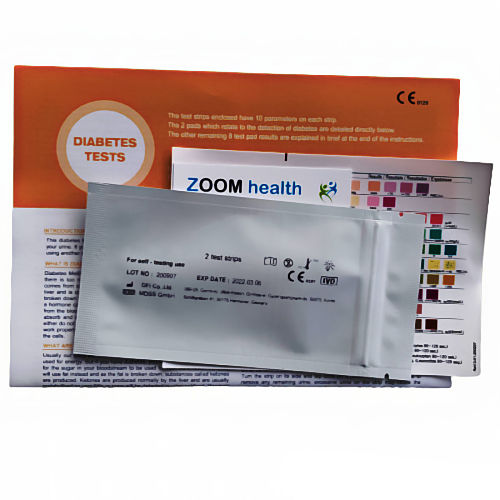
Home diabetes tests using urine strips can help identify abnormal glucose or ketone levels early, before symptoms appear. They’re not diagnostic (only a blood test can confirm diabetes), but they can prompt you to see your GP and get formal testing if needed.
According to NICE guidelines for type 2 diabetes management, early detection and intervention can prevent or delay serious complications by years.
Know Your Numbers – Test at home in 60 seconds. Our diabetes test detects both glucose and ketones in your urine, giving you peace of mind and early warning signals.
Type 2 diabetes is serious, but it’s manageable. With the right treatment plan and lifestyle support, you can reduce your risk of complications and live a full, active life. If you think you may be at risk, talk to your doctor about testing.
About the Author
Anthony Cunningham – Health Writer & Editor
Anthony Cunningham, BA (Hons), MA, is a UK-based health writer and editor with over 20 years’ experience running Zoom Health, a trusted source for home health tests, preventive care, and wellness guidance. He creates clear, evidence-based articles using NHS, NICE, and WHO guidance. Where possible, content is reviewed by practising clinicians to enhance accuracy and reliability, helping readers make informed healthcare decisions.
Originally published: 2022 | Last updated: November 13, 2025