About This Article: Zoom Health has supplied home health tests to UK customers for nearly 20 years. This guide draws on our experience helping thousands of people monitor their diabetes risk and understand the alarming rise in Type 2 diagnoses among under-40s. Always consult a healthcare professional for medical advice.
Published: 19 September 2023 | Last Updated: 16 November 2025 | By: Anthony Cunningham
Contents
Diabetes diagnoses among people under the age of 40 in the UK are increasing faster than those in their 40s and older. These shocking statistics expose the impact of soaring obesity levels, experts say.
According to the World Health Organization, the UK ranks among the most unhealthy countries in Europe in terms of overweight and obesity rates among adults. Among countries in Europe with the highest obesity rates, the UK ranks third after Turkey and Malta.
Having type 2 diabetes and being obese have a close association. People who are obese have a seven-fold elevated risk of type 2 diabetes than those who are of a healthy weight, while those who are overweight have a three-fold increased risk.
The Numbers Tell an Alarming Story
Diabetes UK reports that type 2 diabetes diagnoses among people under 40 in the UK have shot up by 23% from about 120,000 in 2016-17 to 148,000 in 2020-21. Over the same period, diagnoses in over-40s rose by 18%—from approximately 3 million to 3.6 million.
Type 2 diabetes in people under 40 has been quite rare until recently. As a result, many people—and even some doctors—do not yet recognise its symptoms.
The key takeaway: Type 2 diabetes can affect anyone under the age of 40. People of all ages and backgrounds should be given the opportunity to reduce their risk by checking their status now.
Why This Matters for Young People
The rise in type 2 diabetes among young people is concerning for several reasons.
Long-Term Health Consequences
Developing diabetes at a younger age means living with the condition for longer, which can lead to more severe complications if not properly managed. These complications include heart disease, stroke, blindness, kidney failure and amputations.
Lifestyle Challenges
Type 2 diabetes in young people can be harder to manage due to their busy lifestyles. Maintaining a healthy diet, exercising regularly and taking medications as prescribed can be challenging when juggling work, family and social commitments. Young people may also feel invincible and underestimate the seriousness of the disease.
Public Health Pressure
Type 2 diabetes in youth is worrying from a public health perspective. The condition used to be called “adult onset” diabetes, but now more children and teenagers are being diagnosed. This places strain on the healthcare system and requires investment in education and prevention strategies targeting young people.
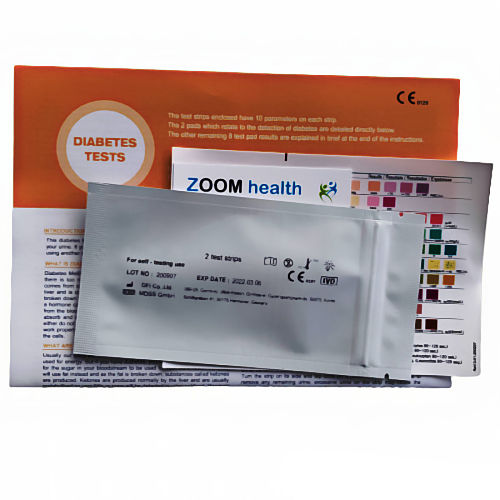
Take Action: Test your diabetes risk at home in just 60 seconds with our easy-to-use urine test strips. Get results you can trust and share with your GP if needed.
What Customers Say
★★★★★ Lorraine H. — June 2025
“The diabetes test kit was simple to do and fast, it also put my mind at easy. A good all rounder.”
★★★★★ Michael Iles — April 2023
“Easy and efficient method to test for diabetes”
★★★★★ Sheila L. — May 2023
“Easy to use, thankfully my results were negative but it saved a trip to see a doctor.”
Key Risk Factors Driving the Rise
There are several factors driving the rise in type 2 diabetes among the under 40s in the UK.
Obesity, Diet & Lifestyle
The primary cause is increasing obesity, which is linked to unhealthy diets and sedentary lifestyles. The consumption of processed and sugary foods has increased, while activity levels have declined. Stress and poor sleep may also raise diabetes risk in young people.
Genetics & Ethnicity
Genetics and family history play a role as well. Those with a close relative with type 2 diabetes have a greater chance of developing it themselves. Certain ethnic groups are also at higher risk, including people of South Asian, African-Caribbean and Middle Eastern descent.
Prevention & Early Testing
To reverse the trend, action is needed at multiple levels. Though the disease is on the rise, it is largely preventable through lifestyle changes.
What Public Health Can Do
Schools should provide nutrition education and daily physical activity. Communities can offer free or low-cost recreational sports programmes. Healthcare providers should check patients’ diabetes risk regularly starting in childhood and do early screening in high-risk groups. Support for healthy living should continue through university and the workplace.
What You Can Do Now
The NHS provides guidance on diabetes prevention and management. Diabetes UK offers a free risk assessment tool if you are under 40. Alternatively, a Home Diabetes Test can be purchased through Zoom Health—giving you a quick, private way to check your glucose and ketone levels in just 60 seconds.
Next Steps: Investing now in the health of the next generation will pay dividends for decades to come. Start by understanding your own risk, then share this information with family, friends and younger colleagues who may benefit.
With concerted effort across sectors, the tide of type 2 diabetes among young people in the UK can be stemmed. Early awareness and testing are key first steps in taking control of your health.
About the Author
Anthony Cunningham — Health Writer & Editor
Anthony Cunningham, BA (Hons), MA, is a UK-based health writer and editor with over 20 years’ experience running Zoom Health, a trusted source for home health tests, preventive care, and wellness guidance. He creates clear, evidence-based articles using NHS, NICE, and WHO guidance. Where possible, content is reviewed by practising clinicians to enhance accuracy and reliability, helping readers make informed healthcare decisions.
You May Also Like
Explore more articles on diabetes prevention, symptoms and management:
- What is Type 2 Diabetes? Symptoms, Causes & Management
- Zoom Health Blog
- Browse All Home Health Tests