About This Article
Zoom Health has supplied home health tests to UK customers for nearly 20 years. This guide draws on our experience helping thousands of people monitor their health and understand the connection between vitamin D and immune function. Always consult a healthcare professional for medical advice.
Published: October 2020 | Last Updated: 7 January 2026 | By: Anthony Cunningham
While COVID-19 remains present in our communities, many people continue to search for ways to strengthen their immune system against respiratory infections, including this virus.
The connection between Vitamin D and immune system function has been well-established through years of research since the pandemic began. Multiple health organisations, including the NHS, now recognise the importance of maintaining adequate Vitamin D levels for overall immune health.
So let’s take a closer look at Vitamin D to understand its role in immune health and how we can naturally increase our intake of this important vitamin.
Contents
Can Vitamin D Help In The Fight Against COVID-19?
The answer to this question is yes! Multiple studies over the past few years have concluded that Vitamin D can help support your body’s immune response. Two significant research studies that helped establish this connection found:
- A study published by US Vitamin D expert, Dr Michael Holick, discovered that adequate levels of vitamin D can reduce the risk of severe COVID-19 outcomes by a significant margin.
- Research conducted by Boston University’s School of Medicine established a link between high levels of vitamin D and higher blood levels of immune cells, along with decreased levels of inflammatory markers — which help protect against respiratory infections including coronavirus.
What this means is that maintaining adequate vitamin D levels may help support our immune system’s ability to fight off respiratory infections, including COVID-19.
Prof Smith, representing the Centre for Regenerative Medicine and Devices, emphasises that many people who spend significant time indoors are not getting sufficient Vitamin D, either from their diet or from the sun, so it’s important to consider vitamin D supplements to ensure adequate levels. While Vitamin D is important for maintaining healthy muscles and bones, it’s also necessary for maintaining a healthy immune system.
Understanding The Research Evidence
The relationship between vitamin D and COVID-19 has been extensively studied since the pandemic began. A UK Biobank study published in 2021 found that habitual use of vitamin D supplements was associated with a 34% lower risk of COVID-19 infection after adjustment for various factors.
However, the evidence is not entirely straightforward. Some studies have found associations between vitamin D levels and COVID-19 outcomes, while others have shown mixed results. The UK Parliament’s research briefing notes that while there may be some benefit from daily, low-dose vitamin D supplementation, current guidance does not recommend vitamin D solely for preventing or treating COVID-19.
What The NHS Says: The NHS states there have been reports about vitamin D reducing the risk of COVID-19, but currently there is not enough evidence to support taking vitamin D solely to prevent or treat coronavirus. However, maintaining adequate vitamin D levels remains important for overall immune health and bone health.
Signs of Vitamin D Deficiency
Many people with low vitamin D levels don’t realise they’re deficient because symptoms can be subtle or develop gradually. Common signs include:
- Frequent infections or illnesses — particularly respiratory tract infections
- Fatigue and tiredness — even after adequate sleep
- Bone and back pain — vitamin D helps maintain bone health
- Low mood or depression — especially during winter months
- Impaired wound healing — slower recovery from injuries
- Muscle pain and weakness — particularly in older adults
If you experience several of these symptoms, particularly during the winter months, it’s worth considering a vitamin D test to check your levels.
Which Foods Contain Vitamin D?
While most people resort to purchasing their Vitamin D tablets over-the-counter, it’s always wise to try and add Vitamin D-rich foods into your daily diet. According to the NHS, the following foods are rich in Vitamin D —
- Red meat
- Oily fish, like sardines, salmon, mackerel, and herring
- Egg yolks
- Liver
- Fortified foods
And for our vegan friends, the following are great sources of vitamin D —
- Almond milk
- Portobello mushrooms
- Soy milk
- Fortified plant-based spreads
Please note that British cow’s milk is not a good source of Vitamin D.
Vitamin D Recommendations
To maintain healthy muscles and bones, it’s recommended that we should aim for 10 micrograms (400 IU) of vitamin D each day. This is equivalent to consuming one salmon fillet. When we look at supplements, many vitamin D3 supplements carry a higher dosage, typically ranging from 1000 IU to 5000 IU per capsule.
Sunlight on your skin remains an excellent source of vitamin D. According to the NHS website, most of us can produce enough vitamin D by exposing our hands, lower legs and forearms to the sun, without sunscreen, for short periods of daily exposure between the hours of 11am and 3pm. However, during winter months, this may not be possible and you may need to use alternative methods for getting the Vitamin D you need.
UK Government Guidance
The UK Government recommends that everyone should consider taking a daily vitamin D supplement during the autumn and winter months (October to March). This is because the sun is not strong enough for our bodies to make vitamin D during these months.
The recommended dose is 10 micrograms (400 IU) per day for most adults, though some people may benefit from higher doses. Do not take more than 100 micrograms (4,000 IU) of vitamin D per day as it could be harmful.
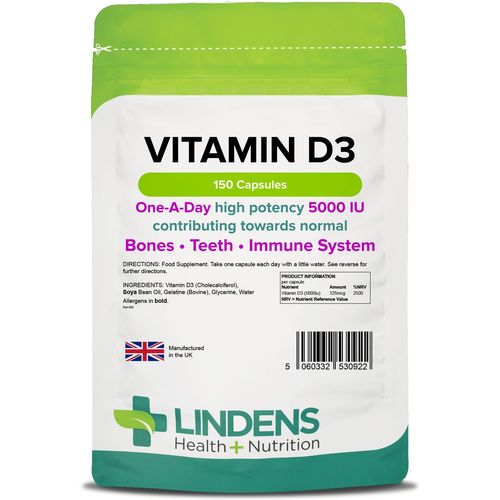
Support Your Immune Health This Winter: High-strength vitamin D3 supplements provide an effective way to maintain adequate vitamin D levels, particularly during autumn and winter months when sunlight exposure is limited.
Who’s Most At Risk?
The NHS continues to recommend that people with African-Caribbean, South Asian, or African backgrounds who tend to have darker skin, may need to pay special attention to their vitamin D levels. It’s recommended that these people take a daily 10-microgram vitamin supplement throughout the year.
Health organisations now recognise the importance of maintaining adequate vitamin D levels, particularly for at-risk groups including:
- Those from ethnic minority backgrounds — particularly people with darker skin who produce less vitamin D from sunlight
- Elderly people — especially those aged 65 and over who spend most of their time indoors
- People who cover their skin — for religious or cultural reasons
- Those with certain health conditions — including malabsorption disorders, kidney disease, or liver disease
- Housebound individuals — anyone who doesn’t spend much time outdoors
- Care home residents — particularly during winter months
Many healthcare providers now routinely check vitamin D levels as part of regular health screenings for these at-risk groups.
Testing Your Vitamin D Levels
If you are worried that you may be deficient in Vitamin D, you can check at home using a Vitamin D Deficiency Test Kit. Once you know the results, you can then take the necessary steps to avoid Vitamin D deficiency.
Vitamin D is particularly important during pregnancy, when requirements increase to support both maternal and foetal health.
When To See Your GP: If you experience persistent fatigue, bone pain, frequent infections, or muscle weakness, it’s worth discussing vitamin D testing with your doctor. Your GP can arrange a blood test to check your 25-hydroxyvitamin D levels and recommend appropriate supplementation if needed.
UK Winter Months: October to March
Between October and March, the UK lies above the latitude that permits exposure to the UVB rays necessary for vitamin D production. During these six months, people are entirely reliant on dietary sources and supplementation.
This is why autumn and winter supplementation is particularly important for maintaining immune function and overall health during cold and flu season.
About the Author
Anthony Cunningham — Health Writer & Editor
Anthony Cunningham, BA (Hons), MA, is a UK-based health writer and editor with over 20 years’ experience running Zoom Health, a trusted source for home health tests, preventive care, and wellness guidance. He creates clear, evidence-based articles using NHS, NICE, and WHO guidance. Where possible, content is reviewed by practising clinicians to enhance accuracy and reliability, helping readers make informed healthcare decisions.
You May Also Like
Explore more articles on vitamin D and immune health: