About This Article: Zoom Health has supplied home health tests to UK customers for nearly 20 years. This guide draws on our experience helping thousands of people monitor their urinary health and understand the crucial difference between interstitial cystitis and regular UTIs. Always consult a healthcare professional for medical advice, diagnosis, or treatment recommendations.
Bladder pain and frequent trips to the loo can be frustrating. But not all bladder problems are the same. Understanding the difference between interstitial cystitis (IC) and regular UTIs can help you get the right treatment faster and avoid unnecessary antibiotics. This guide explains the key differences, how each condition is diagnosed, and what treatment options are available.
Contents
What Are Interstitial Cystitis and Regular UTIs?
Regular Urinary Tract Infections (UTIs)
A urinary tract infection (UTI) is caused by bacteria entering your bladder or urethra. Cystitis is one common type of UTI that affects the bladder. UTIs are acute infections that typically develop quickly and respond well to antibiotic treatment. Most people recover within a few days to a week once they start the appropriate medication.
According to the NHS, UTIs are one of the most common infections in the UK, particularly affecting women. The infection occurs when bacteria (usually from the bowel) travel into the urethra and multiply in the bladder.
Interstitial Cystitis (IC)
Interstitial cystitis is fundamentally different. It’s a chronic condition that causes bladder pressure and pain. Unlike UTIs, IC isn’t caused by bacteria. The exact cause remains unclear, though research suggests the bladder lining may be damaged or inflamed. IC is also known as bladder pain syndrome, and it requires a different approach to management.
Approximately 40,000 people in the UK are estimated to have IC, though it’s often underdiagnosed because symptoms mimic UTIs. Many patients see multiple healthcare providers before receiving an accurate diagnosis, with an average diagnostic delay of 4–8 years. The condition is much more common in women, but men can develop it too.
The Key Differences
Cause
Regular UTIs happen when bacteria get into your urinary system. This often occurs during sex or due to dehydration. Poor hygiene can also play a role. The bacteria multiply in the bladder, triggering an inflammatory response that causes symptoms.
IC has no bacterial cause. Tests won’t show an infection, even though symptoms feel similar. The bladder wall itself is the problem—the tissue becomes sensitive and inflamed, though the underlying mechanism isn’t fully understood by medical science.
Symptoms
Both conditions cause similar symptoms, which makes them tricky to tell apart. You might experience:
- Pain or burning when you wee
- Needing to go frequently (more than 8 times a day)
- Feeling urgent need to go
- Pressure or tenderness in the bladder area
The critical difference: IC symptoms are usually chronic. They come and go over months or years, following a fluctuating pattern. UTI symptoms appear suddenly and get worse quickly. With a UTI, you’ll typically feel progressively worse over hours or days until treated.
With IC, certain foods and drinks can trigger flare-ups. Coffee, alcohol, spicy foods, and acidic drinks are common culprits. UTIs don’t typically have dietary triggers—they’re driven by bacterial activity, not dietary factors.
Duration
UTIs: Typically last days to 1–2 weeks with treatment
IC: A chronic condition lasting months, years, or a lifetime. Symptoms may improve or worsen over time but don’t resolve completely without ongoing management
How Are They Diagnosed?
Diagnosing Regular UTIs
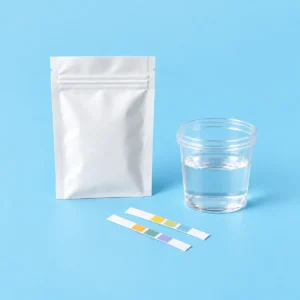
UTIs are straightforward to diagnose. A simple urine test shows the presence of bacteria and white blood cells, which indicate infection. Your GP can send a sample to a laboratory, or you can get a home test for a UTI to check quickly. Home tests use test strips that change colour if bacteria or infection markers are present. This quick feedback helps you decide whether to contact your doctor for antibiotics.
Diagnosing Interstitial Cystitis
IC is harder to diagnose because there’s no simple test for it. Your GP will rule out other conditions first—UTIs, endometriosis, prostate problems, and other bladder conditions. Diagnosis typically involves:
- Symptom assessment: Your doctor will ask detailed questions about pain patterns, frequency, triggers, and how symptoms affect your daily life
- Urine and blood tests: To rule out infection and other conditions
- Pelvic exam: To identify tenderness or other physical signs
- Cystoscopy: Your doctor looks inside the bladder using a thin camera to check for inflammation or ulcers (Hunner’s lesions)
- Bladder biopsy: A small tissue sample is taken to rule out cancer and confirm bladder wall changes
- Hydrodistention: The bladder is filled with fluid under anaesthesia to assess its capacity and look for bleeding or ulcers
This diagnostic process can take time—sometimes weeks or months—which is why IC is often misdiagnosed initially as recurrent UTIs. Studies suggest that up to 40% of IC patients are initially misdiagnosed as having recurrent UTIs. NICE (National Institute for Health and Care Excellence) provides clinical guidance on IC diagnosis to help healthcare professionals identify it correctly. Research from the Cochrane Library shows that early diagnosis significantly improves treatment outcomes and quality of life.

Quick, accurate home testing for UTI detection—results in minutes
What Customers Say
★★★★★ Kirsti – May 2020
“I got this since I’m having some UTI symptoms and yet don’t want to bother the NHS about if it’s not serious. The test was clearly explained and informative. I got a negative result, which I can only assume is correct.”
★★★★★ Clare – April 2020
“This was easy to use and because it provided a positive result I felt justified in phoning my GP for antibiotics. A brilliant tool to use when you’re trying to avoid unnecessary GP visits.”
★★★★★ Sally – July 2019
“My doctor actually recommended this test to me as it is exactly the same as the one she uses in her surgery. I’ve suffered from recurring UTIs over the years. Having results in minutes rather than waiting days for an appointment has been brilliant for peace of mind.”
Treatment Options
Treating Regular UTIs
Antibiotics are the standard treatment for UTIs. Most people recover within a week. Your GP will prescribe antibiotics based on the type of bacteria causing the infection. Commonly prescribed options include trimethoprim or nitrofurantoin. It’s important to complete the full course of antibiotics, even if you feel better after a few days, to prevent the infection returning.
Alongside medication, you can ease discomfort by drinking plenty of water, avoiding irritants (caffeine, alcohol), and taking over-the-counter pain relief if needed.
Treating Interstitial Cystitis
IC requires ongoing management because there’s no cure. Treatment focuses on relieving symptoms and improving quality of life. Approaches vary depending on symptom severity:
Lifestyle and Dietary Changes
Many people find significant relief by identifying and avoiding dietary triggers. Keep a symptom diary to note what aggravates your symptoms. Common triggers include:
- Coffee and caffeine
- Alcohol and beer
- Spicy foods
- Acidic foods and drinks (citrus, tomatoes)
- Artificial sweeteners
Bladder Training
Bladder training helps you gradually increase the time between bathroom visits. You’ll learn techniques to relax your bladder and increase its capacity over weeks, reducing frequency and urgency.
Pelvic Floor Exercises
Pelvic floor exercises strengthen the muscles that support your bladder and may reduce pain and urgency. Physiotherapists can teach you proper technique for maximum benefit.
Medication
Your GP may recommend:
- Pain relief: Paracetamol or NSAIDs like ibuprofen
- Amitriptyline: An antidepressant that also reduces bladder pain (used off-label for IC)
- Pentosan polysulfate: A medication specifically approved for IC that helps protect the bladder lining
Bladder Instillations
Medicine is put directly into the bladder through a catheter. This allows high concentrations of medication to reach the affected tissue. Dimethyl sulfoxide (DMSO) and hyaluronic acid are commonly used. Treatments are typically given weekly for 6–8 weeks.
Specialist Procedures
For severe IC that doesn’t respond to other treatments, your specialist may recommend:
- Cystoscopy with hydrodistention: Stretching the bladder under anaesthesia to improve capacity and reduce pain
- Botulinum toxin (Botox) injections: Into the bladder muscle to reduce pain and urgency
- Nerve stimulation: Sacral neuromodulation uses an implanted device to regulate nerve signals controlling the bladder
Treatment is individualised—what works for one person may not work for another. Your healthcare team will work with you to find the best combination of approaches.
Who’s at Risk?
UTI Risk Factors
Certain groups face higher UTI risk. Post-menopausal women are particularly vulnerable due to hormonal changes, which affect the protective lining of the urethra and bladder. Elderly people also need special consideration, as UTIs can cause confusion and other serious symptoms. Following bladder health tips becomes increasingly important as we age.
People with urinary catheterisation, weakened immune systems, or structural abnormalities of the urinary tract are also at elevated risk.
IC Risk Factors
IC affects women more than men—roughly 5 times more common in women. It often develops between ages 30 and 40, though it can occur at any age. Chronic pain conditions (fibromyalgia, irritable bowel syndrome) are sometimes associated with IC. Anyone can develop IC, but early diagnosis and treatment improve outcomes significantly.
When to See Your Doctor
See your GP if you have bladder pain or urinary symptoms lasting more than a few days. They can run tests to find the cause and recommend appropriate treatment.
If You Think You Have a UTI
Home testing can provide quick answers. A positive result means you should contact your doctor for antibiotics. Don’t wait—prompt treatment prevents the infection from spreading to the kidneys.
If symptoms keep returning after treatment, you might have IC rather than recurring infections. Keep a symptom diary—note when pain occurs, what makes it better or worse, and any dietary patterns. This information is invaluable for your doctor in making an accurate diagnosis.
The Bottom Line
UTIs and IC both affect your bladder, but they’re very different conditions. UTIs are acute bacterial infections that respond well to antibiotics. IC is a chronic condition requiring long-term management and a different treatment approach.
Getting the right diagnosis matters. It ensures you receive appropriate treatment and avoid unnecessary antibiotics. Misdiagnosis leads to ineffective treatment and prolonged suffering.
If you’re struggling with bladder symptoms, don’t suffer in silence. Speak to your healthcare provider about what’s happening. The sooner you get answers, the sooner you can feel better.
Quick UTI Testing at Home
Not sure whether you have a UTI? Our Urine Infection Test Kit provides accurate results in minutes, helping you get clarity fast. Use the results to guide your next conversation with your GP.
You May Also Like