About This Article
Zoom Health has over 20 years’ experience providing health and wellness products and information in the UK. This article looks at what collagen does, factors affecting collagen production and what current evidence tells us about oral collagen supplements.
Published: 13 February 2024 | Last Updated: 2 September 2026 | By: Anthony Cunningham
Contents
- Keeping Collagen Levels Up for Healthy Skin and Beyond
- What Does Collagen Do?
- Collagen Production and Skin Ageing
- Diet and Lifestyle Tips to Boost Collagen
- Do Collagen Supplements Like Powders and Drinks Work?
- Are Collagen Supplements Safe?
- The Takeaway
Keeping Collagen Levels Up for Healthy Skin and Beyond
Collagen is a structural protein that plays a key role in skin health and elasticity. As we age, our bodies produce less collagen, which can lead to skin wrinkling and sagging. Collagen levels also naturally decline due to UV exposure from the sun, smoking, and pollution.
What Does Collagen Do?
Collagen molecules act as scaffolding to provide support and structure to the skin. It also gives skin strength and flexibility. By keeping skin cells bonded together, collagen helps maintain skin’s plump, youthful appearance. As well as benefitting the skin, collagen contributes to bone, joint, muscle and heart health.
Collagen is found throughout the body, but is most abundant in the skin, bones, tendons, ligaments, blood vessels and digestive system. Within the skin, collagen works alongside elastin and other compounds in the connective tissue (dermis) layer to give it thickness, strength and flexibility. The collagen matrix in the dermis layer forms a sturdy scaffolding structure, which our skin cells can latch onto. This keeps them bonded together tightly.
Collagen Production and Skin Ageing
The natural decline of collagen as part of the ageing process is normal. However, some lifestyle factors can accelerate collagen breakdown. These include poor diet, nutrient deficiencies, digestive issues, restrictive eating, smoking, excess alcohol, sun overexposure and stress. The good news is you can take steps to reduce collagen depletion.
Diet and Lifestyle Tips to Boost Collagen
Focusing on diet and nutrition is key for supporting natural collagen synthesis. Your body combines amino acids from the protein-rich foods you eat to produce its own collagen supply. Foods highest in amino acids include meat, fish, eggs, beans, nuts, seeds and bone broth.
Vitamin C is also crucial, as it enables collagen fibre formation. Get your vitamin C from citrus fruits, peppers, leafy greens and berries. Supporting nutrients like zinc and copper also help.
Alongside eating collagen-boosting foods, stay hydrated, manage stress levels, exercise moderately, sleep well and avoid smoking to keep your collagen levels up.
Do Collagen Supplements Like Powders and Drinks Work?
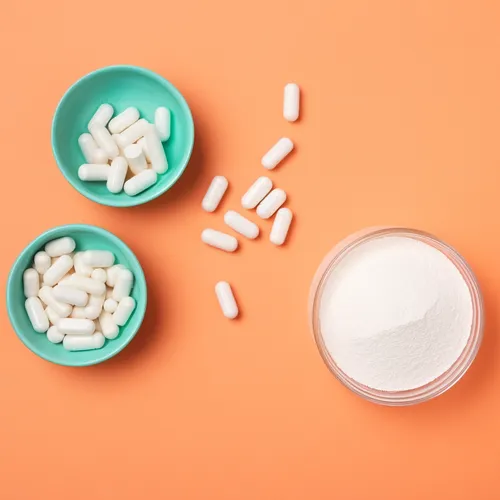
Collagen supplements are widely marketed in powders, capsules and drinks, particularly for skin ageing and joint health. Reviews are mixed on absorbing collagen topically through creams. Supplements in oral capsule, powder or liquid form may be more effective. Lindens Marine Collagen capsules are a good choice of supplement for those who want to try using collagen in capsule form.
Hydrolysed collagen is broken down into smaller peptides, making it easier to digest than intact collagen. These peptides and their constituent amino acids can then be absorbed and used by the body. Hydrolysed marine collagen is commonly derived from fish skin, scales and bones.
Some studies have reported improvements in measures such as skin elasticity, hydration and fine lines after taking oral collagen peptides. However, the evidence remains mixed, and the quality and independence of studies should be considered when assessing these findings. Bovine, porcine and marine collagen from fish, eggshells and chicken cartilage are common.

Featured Product: Lindens Marine Collagen Capsules
For people who choose to try a collagen supplement, Lindens Marine Collagen capsules provide marine-sourced collagen in capsule form. Supplements should be used alongside, rather than as a replacement for, a balanced diet.
Are Collagen Supplements Safe?
Studies of oral collagen supplements have commonly used daily doses ranging from around 2.5g to 10g, and they have generally been well tolerated. However, there is no single established dose that has been proven effective for everyone. Some people may experience digestive discomfort or an unpleasant taste. Those with allergies must check the source.
Speak to your doctor before taking supplements if you have any medical conditions or take medication. While collagen supplements are being studied for a range of potential benefits, they should not replace a balanced diet.
The Takeaway
While the cosmetics industry heavily promotes collagen creams and supplements for anti-ageing, few studies conclusively prove they reverse skin damage and wrinkles. A healthy, balanced diet containing plenty of amino acid and vitamin C sources remains the number one way to maintain your body’s natural collagen production. Manage lifestyle factors and avoid collagen degradation for youthful looking skin as you age.
About the Author
Anthony Cunningham, BA (Hons), MA, is a UK-based health writer and editor with over 20 years’ experience running Zoom Health, a trusted source for home health tests, preventive care, and wellness guidance. He creates clear, evidence-based articles using NHS, NICE, and WHO guidance. Where possible, content is reviewed by practising clinicians to enhance accuracy and reliability, helping readers make informed healthcare decisions.