
About This Article: Zoom Health has supplied home health and wellness products to UK customers for nearly 20 years. This guide draws on our experience helping thousands of people explore essential oils and natural wellness solutions. Always consult a healthcare professional for medical advice, particularly if you are pregnant, breastfeeding, or taking medications.
Published: September 23, 2024 | Last Updated: December 29, 2025 | By: Anthony Cunningham
Contents
Have you ever smelled something so amazing it made you feel like you were on a tropical island? That’s what ylang ylang essential oil can do. This golden liquid comes from the star-shaped flowers of the Cananga odorata tree. It’s not just a nice smell – it has an impact on your mood, skin, and health. Let’s explore this fragrant oil and find out why so many people who love aromatherapy and skincare can’t get enough of it.
The Essence of Ylang Ylang
Ylang ylang is more than just a fun word to pronounce – it’s a treat for the senses. This tropical tree, which originates in the Philippines and Indonesia, has branches that hang down and sport bright green leaves. But the real showstoppers? The yellow-green flowers that hang from its stems, filling the surrounding air with their captivating scent.
When it comes to extracting this valuable oil, distillers take their job seriously. They’ve even come up with a grading system that depends on how long the distillation process takes:
- Extra: The best quality taken out in the first hour
- First: Gathered up to four hours in
- Second: Collected about seven hours after the process starts
- Third: The last grade picked up to ten hours later
Perfume makers seek the extra grade for premium fragrances, while the other grades end up in soaps and beauty products. This versatility makes ylang ylang a valuable ingredient across the wellness industry.
A Natural Mood Lifter
Feeling blue? Ylang ylang might cheer you up. This sweet-smelling oil is known to boost your mood through the power of aromatherapy. Essential oils interact with your emotional and stress responses via the olfactory system – the same pathway your brain uses to process emotions and memories.
Here’s the lowdown: ylang ylang oil has an impact on reducing stress and anxiety. It excels at soothing your nerves and boosting your mood. Some people even claim it “opens up the heart,” helping you release negative emotions such as anger and jealousy.
Interested in trying it out? Consider adding a few drops to your diffuser or blending it with a carrier oil to create a homemade mood-enhancing massage. Your senses will appreciate it!
Skincare’s Hidden Gem
Forget about expensive creams – ylang ylang oil is taking over skincare. This oil does it all for your skin, with particular benefits for those managing oily, acne-prone, or combination skin types. It has an amazing ability to balance sebum production, which helps both dry and oily skin types maintain equilibrium.
But there’s more – ylang ylang oil also:
- Fights inflammation, making it useful for sensitive or irritated skin
- Boosts circulation to enhance skin tone and vitality
- Battles wrinkles through its antioxidant properties
Want to pamper yourself? Try making a ylang ylang steam facial. It will open your pores, clean out dirt, and give you a healthy glow. And it smells much nicer than most spa treatments!
💡 Tip: Always perform a patch test on a small area of skin before using ylang ylang oil on your face. Mix with a carrier oil (such as jojoba or coconut oil) rather than applying directly.
Haircare Hero
Is your hair misbehaving? Ylang ylang oil could become your hair’s new favourite companion. This amazing oil can boost your hair’s thickness and shine. Wave goodbye to flat, dull hair!
Try this quick home hair treatment:
- Blend a few ylang ylang oil drops with coconut oil
- Rub it into your scalp
- Wash it out well
- Enjoy your glossy, healthy-looking hair
Extra perk: ylang ylang oil is traditionally used in hair care across Southeast Asia and has been explored in research for potential scalp health benefits. When you mix it with anise and coconut oil, it has shown promise in addressing common scalp concerns.
Nature’s Aphrodisiac
Want to add some excitement to your love life? Ylang ylang oil has a long-standing reputation across traditional medicine systems as a natural love potion. Its sweet, flowery smell is believed to boost mood and create relaxation – both important foundations for intimacy.
But it’s not all about creating the right atmosphere. Ylang ylang oil can also help:
- Improve blood flow and circulation
- Lower stress and tension levels
- Help you relax and unwind
To plan a romantic night, try putting a few drops in your diffuser or sprinkling some on your sheets. Who needs roses when ylang ylang is around?
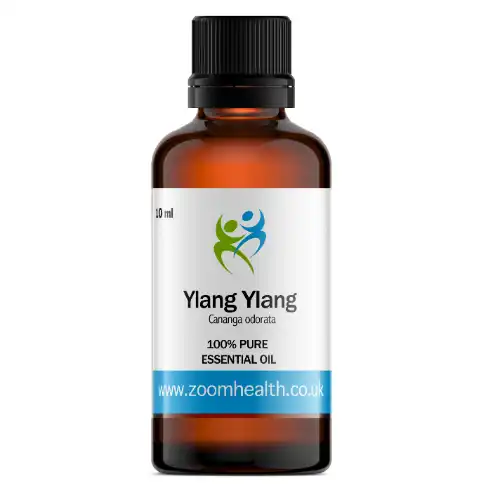
Ready to experience the benefits of ylang ylang? Quality matters when it comes to essential oils. Choose 100% pure, steam-distilled ylang ylang from a trusted source.
Essential Safety & Quality Guidance
Before you get too excited about ylang ylang, keep in mind: with great power comes great responsibility. This oil is valued in traditional wellness practices, but it’s always smart to be careful:
- Test a small patch of skin before you apply it everywhere (diluted in a carrier oil)
- Store it where kids and pets can’t reach
- If you’re pregnant or breastfeeding, talk to your doctor or midwife first
- Never let undiluted oil get in your eyes or other sensitive spots
- Do not ingest essential oils unless under professional guidance
- Source your oil from reputable suppliers to ensure purity and quality
In Conclusion
From making you feel better to calming your skin, ylang ylang essential oil is nature’s sweet companion for wellbeing. If you want to chill out, feel refreshed, or just smell great, this tropical gem has your back. Why not give it a shot? Your senses (and your nerves) will be grateful!
About the Author
Anthony Cunningham – Health Writer & Editor
Anthony Cunningham, BA (Hons), MA, is a UK-based health writer and editor with over 20 years’ experience running Zoom Health, a trusted source for home health tests, preventive care, and wellness guidance. He creates clear, evidence-based articles using NHS, NICE, and WHO guidance. Where possible, content is reviewed by practising clinicians to enhance accuracy and reliability, helping readers make informed healthcare decisions.
You May Also Like
Explore more articles on essential oils and natural wellness: