About This Article
Zoom Health has provided health and wellbeing products and guidance for over 20 years. This article looks at using TENS machines for period pain, including practical use, available options and important safety precautions.
Published: 10 April 2025 | Last Updated: 13 October 2026 | By: Anthony Cunningham
Periods can be awful, can’t they? One minute you’re fine. The next you’re bent over with cramps. If you’re nodding along (with a hot water bottle nearby), I’ve got great news!
The Drug-Free Fix That’s Helping Women
TENS machines have been around since the 1960s. They are one option for managing period pain, although they do not work for everyone.
What makes these small gadgets useful? TENS may reduce pain signals reaching your brain and offer temporary relief without medication.
How These Small Boxes Work
Small pads send gentle electrical impulses through your skin. TENS is thought to interfere with pain signals and may encourage the release of endorphins, the body’s natural pain-relieving chemicals.
Some users describe the sensation as a gentle tingling, although the amount of pain relief varies.
For a more detailed explanation of how TENS machines work to block pain signals, check out our in-depth article TENS Machines: A Revolutionary Solution for Pain Management.
The Zoom Health TENS Range – What’s For Sale?
Zoom Health sells these TENS tools:
Kinetik Wellbeing Dual Channel TENS Machine – AD-2126
This newer model is my top pick. It’s small enough for your purse but strong enough for bad cramps. The dual channels let you treat your lower belly and back at the same time. So helpful!
Kinetik Wellbeing Dual Channel TENS Machine – TD3
The classic model that’s helped UK women for years. It’s a bit bigger than the AD-2126 but works just as well. Great if you like a larger screen and bigger buttons.
TENS Pads for TD2 & TD3 ( for a pack of 4)
Pro tip: always keep spare pads! Nothing worse than being in pain and finding your pads won’t stick. These fit both TD models and last for about 20-30 uses.

Featured Product: Kinetik Wellbeing Dual Channel TENS Machine AD-2126
Considering TENS for period pain? Explore the Kinetik AD-2126 TENS machine and check current product information and availability.
Real Talk: Using a TENS Machine for Period Pain
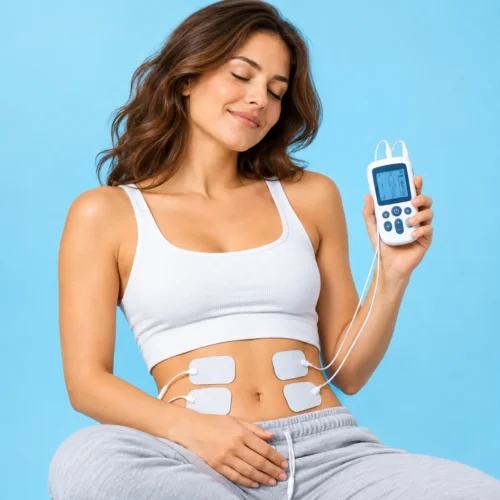
Right, here’s how you actually use these devices (it’s dead simple, promise):
- Clean and dry your skin, and make sure the machine is switched off
- Place the pads near the painful area, spaced apart as directed by the manufacturer
- Switch on and start with a low setting
- Gradually increase until you feel a pleasant tingling (not pain!)
The first time you use it, the tingling may feel unusual. Reduce the intensity or stop if it becomes uncomfortable.
Some women wear their TENS machine while popping to the shops or even at work – the machines from Zoom Health are discreet enough to tuck into your waistband with nobody being any the wiser. Much better than clutching your tummy and making those “trying not to look like I’m dying” faces!
Why British Women Are Switching to TENS Therapy
Let’s be honest – we’ve all got busy lives. Whether you’re rushing for the Tube, helping with homework, or smashing through work deadlines, period pain is an unwelcome guest.
Traditional pain relief has its drawbacks:
- Hot water bottles cool down (and aren’t exactly portable)
- Pain meds take time to kick in and wear off quickly
- Many women prefer to avoid taking pills regularly
TENS may be worth trying alongside other suitable approaches, rather than as a guaranteed replacement for painkillers.
Getting the Most Bang for Your Buck
A TENS machine is a reusable purchase, although replacement pads and batteries may add to the running cost. Check current prices on the product pages.
To help pads last, return them to their protective backing after use and follow the manufacturer’s storage instructions. Replace them when they no longer adhere properly.
Beyond Period Pain – Other Brilliant Uses
While we’re focusing on period pain, it’s worth mentioning that these machines are proper versatile. The same TENS machine can help with:
- Back pain (brilliant for those who sit at desks all day)
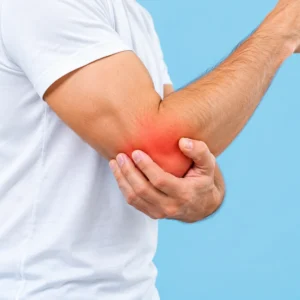
- Sports injuries (my husband nicked mine for his tennis elbow)
- Shoulder tension
- Labour pain (yes, really – many midwives recommend them!)
One machine, multiple uses – now that’s good value!
If you’re going through menopause, speak to a healthcare professional about persistent or unexplained pain. Learn more about managing menopause symptoms in our comprehensive guide Menopause: What it is and How to Manage it.
A Bit of Practical Advice
Before you dash off to buy one, a few friendly pointers:
- Don’t use on broken or irritated skin
- Not suitable during pregnancy (except during labour under midwife supervision)
- Do not use if you have a pacemaker or epilepsy; ask a healthcare professional about heart conditions or other implants
- Keep pads away from your chest, head, eyes and front or sides of your neck
Do not use TENS while sleeping, driving, operating machinery or bathing. If period pain is severe, getting worse or affecting daily life, see your GP. Seek urgent advice through your GP or NHS 111 if pain is unusually severe and painkillers have not helped. See the NHS period pain guidance.
Ready to Bin the Painkillers?
If you’re fed up with planning your life around your period, TENS may be another option to consider alongside appropriate treatment.
Pop over to Zoom Health’s Digital Pain Relief section and treat yourself to a TENS machine. At worst, you’ve got a new gadget to try. At best? You might just get your life back one week a month.
For some people, a small portable TENS machine can be a useful part of managing period pain.
About the Author
Anthony Cunningham, BA (Hons), MA, is a UK-based health writer and editor with over 20 years’ experience running Zoom Health, a trusted source for home health tests, preventive care, and wellness guidance. He creates clear, evidence-based articles using NHS, NICE, and WHO guidance. Where possible, content is reviewed by practising clinicians to enhance accuracy and reliability, helping readers make informed healthcare decisions.
Medical Disclaimer
This article is for general information only and is not a substitute for professional medical advice, diagnosis or treatment. If you have concerns about your health or symptoms, speak to your GP or another qualified healthcare professional. In an emergency, seek urgent medical help.