About This Article: Zoom Health has supplied home health tests and wellness products to UK customers for nearly 20 years. This guide draws on our experience helping thousands of people explore natural health solutions and understand the therapeutic uses of essential oils. Always consult a healthcare professional before using essential oils, especially if you have underlying health conditions or are pregnant.
Published: 30 June 2024 | Last Updated: 28 December 2025 | By: Anthony Cunningham
Contents
The use of essential oils for health and well-being goes back to ancient times. Peppermint essential oil has been in use for several hundred years to ensure health and wellness due to its great therapeutic properties that could benefit the body. From digestive problems to pain relief and reduction of stress, the health benefits of peppermint essential oil are endless.
What Is Peppermint Essential Oil?
Peppermint essential oil is extracted from the leaves of the Mentha piperita plant through steam distillation. This process captures the plant’s active compounds, particularly menthol, which gives peppermint its distinctive cooling sensation and therapeutic properties.
The oil has been used medicinally for centuries across different cultures. Today, it’s recognised by health organisations including the NHS as a complementary therapy for various conditions, particularly digestive complaints.
Evidence-Based Health Benefits
Digestive Health
One of the biggest advantages of peppermint oil is that it is excellent for digestion. It will help reduce bloating, cramps, and nausea, and can also help to improve the flow of bile, which is quite useful in aiding the digestion of fats. It can also help to improve the health of your intestines by acting as an antispasmodic, which helps to relax the muscles of your digestive tract. This will also help to avoid heartburn and indigestion, so in case of digestion problems, it’s very good to use.
Peppermint oil is particularly well-researched for irritable bowel syndrome (IBS). Studies have shown that enteric-coated peppermint oil capsules can significantly reduce IBS symptoms, including abdominal pain and discomfort.
Pain Relief
Studies have also proven that peppermint essential oil can help alleviate pain. It relieves backaches, headaches, muscular and joint pains, and toothache pain; it can even ease period cramps. Because peppermint oil has analgesic properties, it can alleviate mild to moderate amounts of pain without over-the-counter pain relievers.
The menthol in peppermint oil creates a cooling sensation that can help distract from pain signals. When applied topically (always diluted), it may help with tension headaches and muscle soreness.
Mental Clarity & Stress Relief
Furthermore, peppermint essential oil is known to be very calming, relaxing the mind, which has become stressed, anxious, and depressed. The scent can be calming, allowing one to focus and concentrate better, hence it’s a very good choice for those who need help in their studies or at work. Further, it can help in improving mental clarity and balancing one’s emotions.
The invigorating aroma can help combat mental fatigue and may improve alertness during demanding tasks. Many people find the scent helps them feel more awake and focused.
Peppermint Oil for Respiratory Health
While peppermint essential oil is fab for digestion and pain relief, it’s a breath of fresh air for your respiratory system too! Respiratory salvation! Menthol in peppermint oil is a natural decongestant that cleans out your airways, hence making one breathe easier.
Ever notice how just one whiff of peppermint can really clear out the sinuses? Not an accident. This simple yet powerful oil soothes inflamed nasal passages, relieves congestion, and even eases the symptoms associated with allergies and colds.
For a quick respiratory boost, add a few drops into some hot water in a bowl and inhale the steam. Or, for on-the-go relief, simply mix with a carrier oil and just dot a little under your nose. Just remember: a little goes a long way!
Keep in mind that while peppermint oil is generally safe to be used, it is quite potent. Always dilute properly and do a patch test on the skin prior to its use. And if you are pregnant or have any health conditions, first chat with your doctor.
How to Use Peppermint Oil Safely
Peppermint essential oil is highly concentrated and should never be applied directly to the skin undiluted. Here are the main methods of safe use:
Topical Application
Always dilute peppermint oil in a carrier oil before applying to skin. A safe dilution ratio is:
- For adults: 2-3 drops of peppermint oil per teaspoon (5ml) of carrier oil
- For children over 6: 1 drop per teaspoon of carrier oil
- Not recommended for children under 6
Good carrier oils include sweet almond oil, jojoba oil, or coconut oil. Apply the diluted mixture to temples for headaches, abdomen for digestive issues, or muscles for pain relief.
Aromatherapy & Inhalation
For respiratory benefits or mental clarity:
- Diffuser: Add 3-5 drops to a water-based diffuser
- Steam inhalation: Add 2-3 drops to a bowl of hot water, cover your head with a towel, and inhale for 5-10 minutes
- Direct inhalation: Place 1-2 drops on a tissue and inhale as needed
Patch Testing
Before using peppermint oil on larger areas, always conduct a patch test. Apply a small amount of diluted oil to the inside of your forearm and wait 24 hours to check for any reaction.
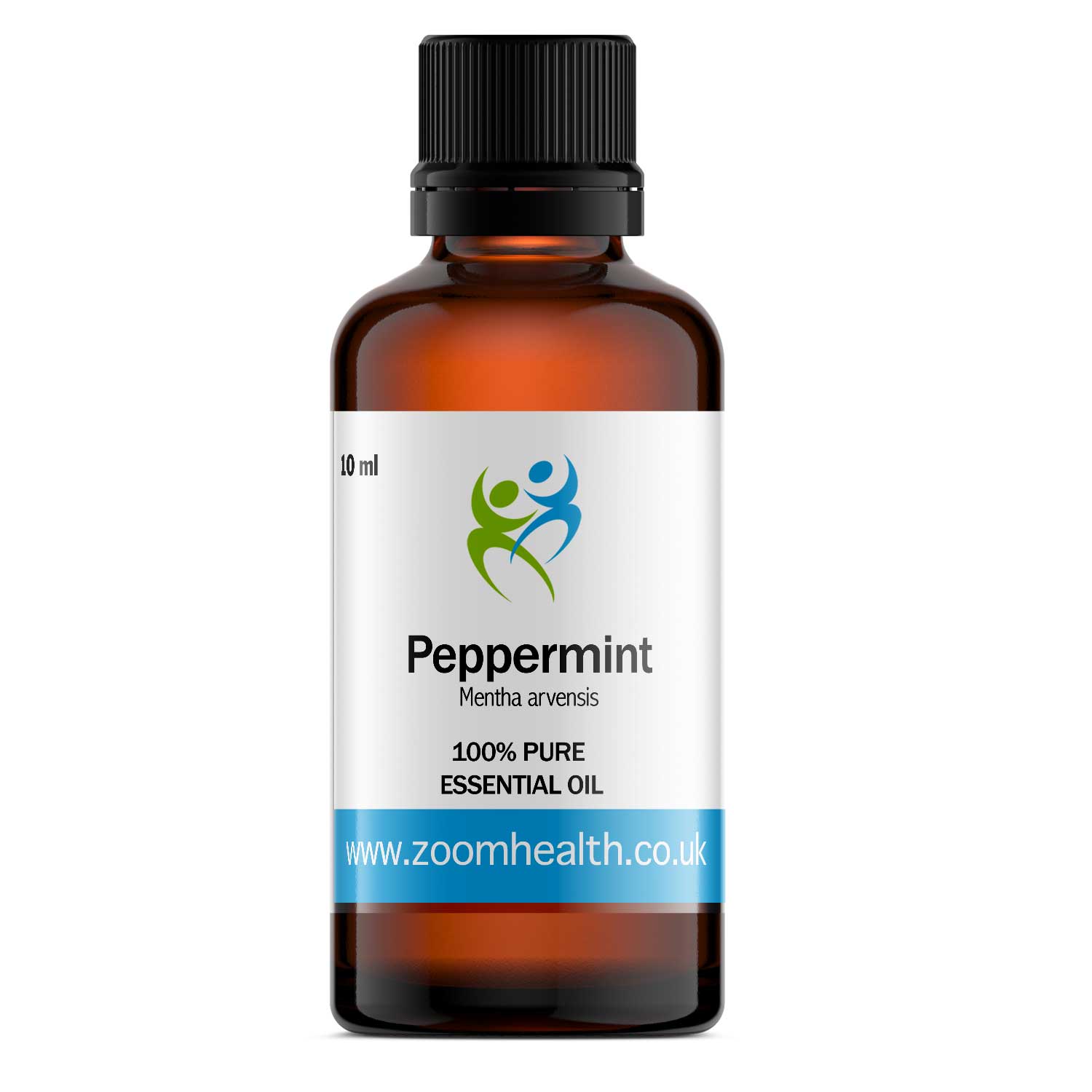
Ready to Experience the Benefits? Our pure peppermint essential oil is steam-distilled to preserve its natural therapeutic properties. Perfect for aromatherapy, topical application, and natural wellness routines.
Safety Precautions & Contraindications
While peppermint essential oil offers many benefits, it’s important to use it safely. Certain groups should avoid or use peppermint oil with caution:
Important Safety Warnings
- Pregnancy & breastfeeding: Avoid use during pregnancy and breastfeeding unless approved by your healthcare provider
- Young children: Never use on or near the face of infants or children under 6 years old. Can cause breathing difficulties
- Epilepsy: May trigger seizures in some individuals with epilepsy
- G6PD deficiency: Can cause complications in people with this genetic condition
- Gallstones: Consult your doctor before use if you have gallbladder problems
- Skin sensitivity: Some people may experience skin irritation even when properly diluted
If you’re taking any medications or have underlying health conditions, speak with your GP or a qualified healthcare professional before using peppermint essential oil. For more information on complementary therapies and when to seek medical advice, visit NHS health conditions guidance.
General Safety Tips
- Never ingest peppermint essential oil unless under professional guidance
- Keep away from eyes and mucous membranes
- Store in a cool, dark place away from children and pets
- Do not use undiluted on skin
- If accidental contact with eyes occurs, rinse with a carrier oil (not water) and seek medical attention if irritation persists
Choosing Quality Peppermint Oil
Not all peppermint oils are created equal. When selecting an essential oil for therapeutic use, look for these quality indicators:
- 100% pure essential oil: Avoid products labelled as “fragrance oil” or “perfume oil”
- Botanical name listed: Should state Mentha piperita on the label
- Extraction method: Steam distillation is the standard method for quality peppermint oil
- Dark glass bottle: Protects the oil from light degradation
- Country of origin: Quality peppermint oil is often sourced from India, the USA, or Europe
- No synthetic additives: Should contain only pure peppermint essential oil
Reputable suppliers will provide clear information about their sourcing, testing, and purity standards. Be wary of unusually cheap oils, as these may be diluted or synthetic.
Overall, peppermint oil is an essential oil and very versatile beneficial oil that can be used to help cure a wide range of health problems. Digestive issues, pain, or stress—peppermint oil will give you the relief needed. But it can also alleviate midday mental fog, increase focus, and generally make one feel more alert, which makes it great for somebody looking to get a natural solution to their health and wellness needs.
Remember to always use peppermint essential oil safely, follow proper dilution guidelines, and consult healthcare professionals when needed. When used correctly, this powerful natural remedy can be a valuable addition to your wellness routine.
About the Author
Anthony Cunningham – Health Writer & Editor
Anthony Cunningham, BA (Hons), MA, is a UK-based health writer and editor with over 20 years’ experience running Zoom Health, a trusted source for home health tests, preventive care, and wellness guidance. He creates clear, evidence-based articles using NHS, NICE, and WHO guidance. Where possible, content is reviewed by practising clinicians to enhance accuracy and reliability, helping readers make informed healthcare decisions.
You May Also Like
Explore more articles on essential oils and natural wellness: