
What is Vitamin K2?
Vitamin K2 is an essential vitamin that plays a key role in calcium absorption. It is also important for the prevention of osteoporosis and heart disease.
Vitamin K2 is also called menaquinone, and it is the most recently discovered of all the vitamins. The discovery of this vitamin was a result of research into why some people were not able to form blood clots properly. Vitamin K2 has been found to be effective in helping to prevent heart disease, which can lead to death from hemorrhagic stroke or from heart attack.
Are you Getting Enough Vitamin K2?
Vitamin K2 is synthesized by bacteria in the gut and can be found in foods such as cheese, eggs, meat, and fish. Vitamin K2 deficiency can be caused by taking antibiotics or anticoagulant medication, both of which have been shown to negatively impact the levels of vitamin K2.
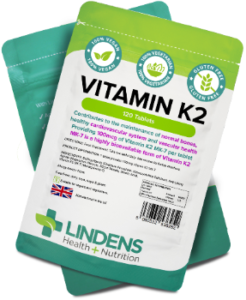
How to Get Enough Vitamin K2
Vitamin K2 is found in two main sources: animal foods and plant foods. Animal-based foods are the best sources of Vitamin K2, but it can also be found in plant-based foods like green vegetables, soybean oil, and fermented soybeans.
The human body cannot produce vitamin K on its own, so it is important to get enough through diet or supplements. But how much should you consume? The recommended daily allowance for adults is 100 micrograms per day, which can be found in a supplements such as Lindens Vitamin K2 tablets. Each pack contains 120 tablets, which is a three-month supply if taking one tablet per day.
The Health Benefits of Eating Enough Vitamin K2
Vitamin K comes in two different types: Vitamin K1 and Vitamin K2.
- Vitamin K1 is found in leafy green vegetables, such as kale, broccoli, spinach and lettuce.
- Vitamin K2 is found in animal products such as eggs, cheese and milk.
A diet rich in vitamin k2 can help to prevent heart disease because it helps to keep calcium where it belongs-in your bones and teeth-instead of clogging up your arteries. It also helps with bone health by helping the body maintain calcium balance. A healthy balanced diet can help you boost your Vitamin K2 levels and can be supplemented by taking Vitamin K2 tablets if needed.
The Health Benefits of Taking Enough Vitamin K2
The best way to get the right amount of Vitamin K2 is by eating foods that have it in them or taking a Vitamin K supplement.
There are many benefits to taking enough Vitamin K2 every day. It can help prevent osteoporosis, it can help make sure your bones stay strong, and it can keep your blood from clotting too much.
Photo by Christopher Campbell on Unsplash
Zoom Health is a leading UK supplier of Home Health Tests and Earplugs
This post was originally published in November 2017 and has been regularly updated since.