About This Article
Zoom Health has over 20 years’ experience providing health and wellbeing information to UK customers. This guide looks at practical ways to manage everyday stress, including sleep, exercise, relaxation, diet and simple lifestyle changes.
Published: 12 December 2022 | Last Updated: 19 August 2026 | By: Anthony Cunningham
Stress is a normal part of life and can affect people in different ways. Work, relationships, money worries, health concerns and everyday responsibilities can all leave you feeling overwhelmed, anxious or exhausted.
There is no single way to eliminate stress, but there are practical things you can do to help yourself feel calmer and cope better. Some techniques, such as slow breathing or taking a short walk, may help you feel calmer in the moment, while habits such as regular exercise and good sleep can support longer-term stress management.
Contents
- Get Plenty of Rest and Sleep
- Exercise Regularly
- Practise Relaxation Techniques
- Find Activities That Bring You Joy
- Talk to Someone
- Eat a Healthy, Balanced Diet
- Spend Time in Nature
- Be Mindful of Caffeine and Alcohol
- Take Time for Yourself
- When to Get More Help
Get Plenty of Rest and Sleep
Good quality sleep can make it easier to cope with stressful situations. Stress itself can also make sleeping more difficult, creating a cycle in which poor sleep leaves you feeling less able to manage the pressures of the following day.
Most adults need around 7 to 9 hours of sleep a night, although individual needs vary. Keeping fairly regular sleep and wake times, allowing yourself time to wind down before bed and making your bedroom comfortable can all support better sleep.
If you struggle to switch off at night, try avoiding stimulating activities close to bedtime and reducing caffeine later in the day. Relaxation exercises or a regular bedtime routine may also help.
You can find more ideas in our guide to essential oils for sleeping.
Exercise Regularly
Physical activity can be a useful way to relieve tension, improve your mood and give you a break from stressful thoughts. It does not have to involve going to a gym. Walking, cycling, swimming, gardening and other activities that get you moving can all count.
UK guidance recommends that adults aim for at least 150 minutes of moderate-intensity activity each week, or 75 minutes of vigorous-intensity activity, spread across the week where possible. If you are currently inactive, starting with shorter periods and gradually doing more can make exercise easier to maintain.
Exercise can also provide valuable time away from work, screens and other everyday pressures. Even a short walk can give you a change of surroundings and an opportunity to clear your head.
The most useful form of exercise is usually one that you enjoy enough to do regularly. Rather than treating physical activity as another task on your list, look for something that fits naturally into your routine.
Practise Relaxation Techniques
Relaxation techniques can help you slow down and focus your attention away from whatever is making you feel stressed. Different methods suit different people, so it is worth experimenting to find one that works for you.
Slow, Mindful Breathing
One of the simplest techniques is to pay attention to your breathing. Sit or stand comfortably and allow your breath to move gently into your abdomen. Breathe in slowly, then breathe out slowly and steadily. Focusing on the rhythm of your breathing for a few minutes can provide a useful pause during a stressful moment.
Progressive Muscle Relaxation
Progressive muscle relaxation involves gently tensing and then relaxing different muscle groups in turn. It can help you notice where you are holding physical tension and become more aware of the difference between tension and relaxation.
Meditation and Mindfulness
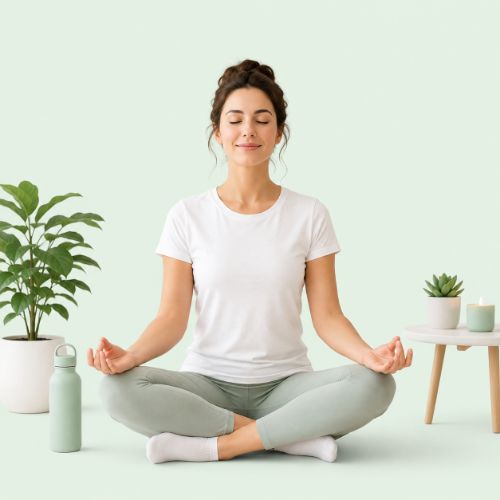
Meditation and mindfulness involve bringing your attention back to the present rather than becoming caught up in worries about what has happened or what might happen. You do not need any special equipment, and even a few minutes of quiet practice can provide a break from a busy day.
Yoga
Yoga combines movement, breathing and relaxation. Some people find it a useful way to switch their attention away from everyday pressures while also being physically active.
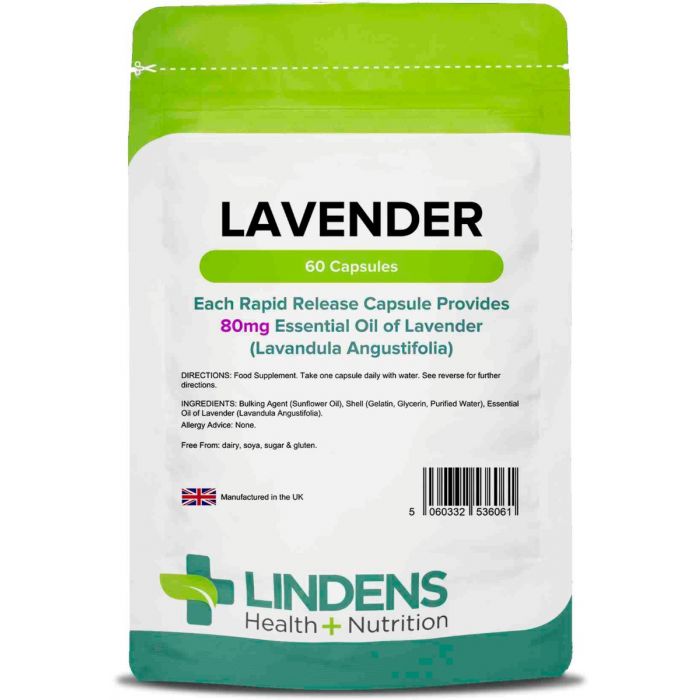
Featured Product: Lavender Essential Oil 80mg Capsules
Lavender has a longstanding association with relaxation. These Lavender Essential Oil 80mg Capsules provide 80mg of lavender essential oil per capsule and can be used as a food supplement alongside a balanced diet and healthy lifestyle. They should not be considered a treatment for stress or anxiety.
Find Activities That Bring You Joy
Activities you genuinely enjoy can provide a welcome break from everyday pressures. When you become absorbed in something interesting or enjoyable, it gives your attention somewhere else to go rather than continually focusing on whatever is causing you stress.
Think about hobbies or pastimes that you have enjoyed in the past. This might be reading, gardening, painting, cooking, listening to music, playing an instrument, crafts or sport.
Try to make space for these activities rather than viewing them as something you can only do once everything else has been completed. You could also try something new, such as joining a class, club or local group.
You do not need to devote hours to a hobby for it to be worthwhile. A short period doing something you enjoy can provide a useful change of pace during a busy day.
Talk to Someone
Talking about how you feel with someone you trust can help you see things differently, feel supported and find a way forward.
You might choose to speak to your partner, a friend, relative or colleague. Sometimes simply explaining what is worrying you can make a problem feel more manageable. Another person may also be able to offer a different perspective or practical help.
Try to choose someone who will listen without judging or immediately telling you what to do. If you would prefer to speak to somebody outside your family or social circle, a GP, counsellor or other healthcare professional may be able to help.
You do not have to wait until stress becomes overwhelming before talking about it. Sharing concerns earlier can sometimes prevent problems from building up.
Eat a Healthy, Balanced Diet
Eating regularly and following a healthy, balanced diet can support your general physical and mental wellbeing, particularly during busy or stressful periods.
A balanced diet should include a variety of fruit and vegetables, wholegrain or higher-fibre carbohydrates, protein-rich foods and appropriate amounts of dairy or alternatives. Drinking enough fluid is also important.
Rather than focusing on individual nutrients as a solution for stress, aim for an overall varied diet. Foods including nuts, seeds, wholegrains and leafy vegetables can provide magnesium, while fish, eggs, beans, pulses, poultry and nuts can contribute protein.
Stress can sometimes change eating habits. Some people lose their appetite, while others find themselves snacking more frequently or choosing convenience foods. Keeping easy, nutritious foods available can make it simpler to eat well when you are busy.
Spend Time in Nature
Spending time outdoors can provide a useful change of environment when you are feeling stressed. A walk through a park, sitting in a garden or simply stepping outside for some fresh air can help create a break between you and whatever is demanding your attention.
Combining time outside with physical activity can be particularly practical. Walking, cycling or gardening allow you to move your body while getting away from desks, screens and indoor surroundings.
You do not need access to open countryside. A local park, riverside path, garden or other green space can provide an opportunity to slow down and notice what is happening around you.
Try putting your phone away for at least part of the time. Paying attention to your surroundings rather than notifications and messages can help make the break feel more meaningful.
Be Mindful of Caffeine and Alcohol
Caffeine and alcohol can both affect how you feel and how well you sleep, so it is worth paying attention to your intake during stressful periods.
Caffeine is a stimulant found in coffee, tea, cola, energy drinks and some other products. It can make you feel more alert, but consuming a lot of caffeine may also leave some people feeling jittery or on edge and can interfere with sleep.
Alcohol may make you feel more relaxed temporarily, but it is not a good way to manage stress. It can disrupt sleep and relying on alcohol as a coping mechanism can create additional problems.
You do not necessarily need to avoid caffeine and alcohol completely. However, if you notice that either affects your sleep, anxiety or general wellbeing, reducing your intake may help. NHS advice recommends not relying on alcohol, smoking or caffeine as ways of coping with stress.
Take Time for Yourself
Busy schedules can make personal time feel like a luxury, but making room for rest and enjoyable activities can help you manage everyday pressure more effectively.
Here are some simple ways to create more space for yourself:
- Start small. Try taking 5 or 10 minutes away from work or other responsibilities to stretch, walk outside, make a drink or simply sit quietly.
- Create a routine. Include activities that help you unwind in your daily or weekly schedule rather than waiting until you happen to have spare time.
- Set boundaries. Where possible, avoid automatically agreeing to every request when you are already overloaded.
- Spend time with supportive people. Make room for friends and family whose company you enjoy.
- Write things down. Keeping a journal or making a list of what is worrying you can help organise your thoughts.
- Take a break from screens. Put phones, tablets and laptops aside for a while and give your attention to something else.
Self-care does not need to mean elaborate routines or expensive activities. Often it is simply about recognising when you need a break and giving yourself permission to take one.
When to Get More Help
Everyone experiences stress from time to time, but persistent or severe stress can affect your physical health, mental wellbeing, relationships and ability to manage everyday life.
If you are struggling to cope, stress is affecting your daily life or the things you are trying yourself are not helping, consider speaking to your GP or another healthcare professional. You can also find current information and self-help advice on the NHS stress guidance page.
Reducing Stress: Small Changes Can Help
There is rarely one quick solution to stress. Instead, a combination of small changes can make everyday pressures easier to manage.
Good sleep, regular physical activity, relaxation techniques, enjoyable activities, supportive relationships and a balanced lifestyle can all play a part. Try choosing one or two changes that feel realistic rather than attempting to change everything at once.
Most importantly, pay attention to what works for you. A technique that one person finds relaxing may not suit another, so give yourself time to develop a set of strategies that you can return to whenever life becomes more demanding.
About the Author
Anthony Cunningham, BA (Hons), MA, is a UK-based health writer and editor with over 20 years’ experience running Zoom Health, a trusted source for home health tests, preventive care, and wellness guidance. He creates clear, evidence-based articles using NHS, NICE, and WHO guidance. Where possible, content is reviewed by practising clinicians to enhance accuracy and reliability, helping readers make informed healthcare decisions.