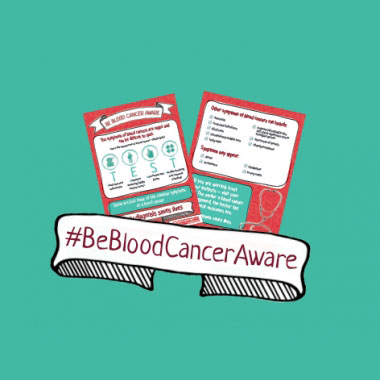
Leukaemia is something that most people know about as a cancer that affects the blood. Here, we tell you all the important things you should know about leukaemia – symptoms, diagnosis, causes and treatments. But before we do that, it is important to know a little about blood and its composition.
What is Bone Marrow?
The cavities of the bones are filled up by a spongy material called bone marrow. Bone marrow is responsible for the production of blood cells. All types of blood cells are made here, including millions of red and white cells on a daily basis.
What are Blood Cells?
The blood is made of three types of blood cells and a fluid called plasma. The different types of blood cells are:
- White Blood Cells: They are needed to fight infection. White blood cells are of two types, neutrophils, which are produced by the myeloid cells and lymphocytes.
- Red Blood Cells: They supply oxygen to the whole body, and give the blood its distinctive red colour.
- Platelets or Thrombocytes: They are the smallest the blood cells, and are essential for clotting the blood, which prevents bleeding.
So, What is Leukaemia?
Leukaemia is a cancer that affects the white blood cells. In fact, the word leukaemia means “white blood” in Greek. There are many different types of leukaemia as there are different types of bone marrow cells. The most common types of leukaemia are as follows:
- Acute lymphoblastic leukaemia (ALL) – Cancer of immature lymphocyte cells. It is also known as lymphoblasts. This type of leukaemia is particularly prevalent in small children between the ages of one and seven and very rarely affects adults.
- Acute myeloid leukaemia (AML) – Cancer of the immature myeloid cells. This type of leukaemia affects adults for the most part, but can sometimes affect children as well.
- Chronic lymphocytic leukaemia (CLL) – Cancer of the lymphocyte cells. This type of leukaemia affects adults, and very rarely affects children. It is also the most common type of leukaemia.
- Chronic myeloid leukaemia (CML) – Cancer of the neutrophils cells. This type of leukaemia very rarely occurs in children and usually affects men rather than women.
When leukaemia is described as “acute”, it means that it comes on all too fast and can develop fast if not treated in time. When described as “chronic”, it means that the leukaemia is slow to develop and slow to progress as well, even if not treated in time.
Factors that are known to increase the risk of Leukaemia
There are unfortunately no known factors that are considered to increase the risk of developing leukaemia. Usually, patients are told by their doctors about their inability to identity the causes of the disease. There are, however, certain factors that are known to increase the risk of developing leukaemia:
Leukaemia may be caused due to exposure to chemicals and other solvents used in the industry. In fact, people living close to nuclear power plants are considered to be at a higher risk of developing leukaemia – but the link hasn’t been scientifically proven as yet.
People with genetic disorders such the Down’s syndrome are considered to be at risk of developing leukaemia. Here too, the link has not been scientifically proven.
According to an estimate, 25 percent of leukaemia cases are linked to smoking. Smoking is definitely considered to increase your risk of developing this condition.
High radiation exposure is another factor that has been demonstrated to raise the risk of leukaemia. This includes radiation exposure through radiation therapy and other medical procedures, as well as radiation exposure from living close to areas with high background radiation levels, such as particular regions or jobs that expose one to radiation.
A higher chance of acquiring leukaemia has also been connected to specific inherited genetic abnormalities. These mutations can be handed down from parents to their offspring and may make people more likely to get sick.
Although this risk is typically regarded as modest, some chemotherapy medications used to treat other types of cancer have also been linked to an elevated chance of leukaemia development.
It is crucial to remember that while though these factors have the potential to raise someone’s chance of having leukaemia, the majority of cases involve people who have no known risk factors. No of their age, gender, or way of life, leukaemia can strike anyone. As a result, it’s important for people to keep an eye on their health, lead a healthy lifestyle, and get medical help if they have any worries or symptoms of leukaemia.
What Are the Signs and Symptoms of Leukaemia?
Here are the symptoms normally associated with leukaemia. Those suffering from leukaemia may not have all of the symptoms and some of the symptoms may be more visible than the others.
- An unnatural pale complexion.
- Excruciating pain in the joints and bones.
- Fever and chills.
- Infections such as sore throats.
- Bruising and bleeding from the nose and gums.
- Weakness and fatigue.
- Flu like symptoms.
- Night sweats.
- Sudden weight loss.
- Abdominal discomfort due to enlarged liver and spleen.
- Loss of appetite.
- Enlarged lymph glands.
People suffering from this condition become weak and tired and appear unnaturally pale. They are also anaemic due to a red blood cell deficiency. Many exhibit no obvious symptoms of leukaemia till it is identified during a routine blood test. The leukaemia symptoms are common to other types of illnesses as well. It is important to visit a doctor immediately if you find yourself having any of these symptoms.
What Causes Leukaemia?
In healthy people, blood cells are produced in a normal, controlled manner. Leukaemia may develop when the bone marrow begins to produce abnormal blood cells in large numbers. Blood cells are considered abnormal if they don’t mature as they should. When this happens this affects the production of normal blood cells, which means the blood cells fail to do the task that is required of them. This leads to the development of leukaemia as symptoms such as anaemia, bleeding and bruising become visible.
How Is Leukaemia Diagnosed?
If your doctor suspects that you may have developed leukaemia, he or she would first carry out a full physical examination to check if there has been any swelling of the liver, lymph nodes or spleen. Then, a blood test will be done, which indicates if the blood cells have been affected by leukaemia. But the blood tests may not show which type of leukaemia you are suffering from. For this, a bone marrow biopsy will be needed. This involves removing a small amount of bone marrow from the hip or breast area with a needle and syringe for further microscopic analysis. You will be given a simple dose of an anaesthetic while this is done. This would indicate the type of leukaemia you are suffering from, so that the right treatment can be prescribed.
What Treatments Are Available for Leukaemia?
A leukaemia treatment aims to remove the abnormal cells from the blood and the bone marrow. After a leukaemia treatment, the patient is in remission – which means they exhibit no symptoms or evidence of the malignant cells. They are said to be cured of leukaemia if they pass 5 years without requiring any further treatment for the disease. A majority of children suffering from leukaemia are known to make a total recovery.
Leukaemia treatment is really quite complex, but it works on most occasions. The exact treatment recommended depends on the type of leukaemia that has been detected as well as the age and general health of the patient. A patient may not require any treatment if they have few symptoms of leukaemia and if it has been progressing slowly. They will, however, need to be regularly monitored by their doctor so that the treatment can begin if the disease begins to manifest itself.
Usually, chemotherapy is used to treat leukaemia and it is generally quite effective. The drugs administered during chemotherapy kill the affected cells, but may also damage the normal cells. So during leukaemia treatment, the patient can become very ill and suffer from vomiting and diarrhoea. The healthy blood cells start growing again after the completion of the treatment. Further treatment is given so that the disease does not occur again.
Radiotherapy is another treatment recommended to leukaemia patients. This may be given along with chemotherapy.
Bone marrow transplants are used if the chemotherapy fails to do the job and the leukaemia returns. First, the patient is given high doses of chemotherapy, as well as radiotherapy to kill the bone marrow. Then, they are given bone marrow cells from a matching donor, usually a family member, or from their own bone marrow. The new bone marrow cells are inserted into the veins through a dip. Once in the blood stream, they find their way to the bone marrow cavity in the bones and start with the production of normal blood cells again.
Help and Support
- Leukaemia CARE exists to provide vital care and support to anyone affected by a diagnosis of a blood or lymphatic cancer.
- Children with Cancer UK is the main national children’s charity dedicated to the fight against childhood cancer.
- Birmingham’s Let’s Cure Leukaemia campaign aims to help the city find a cure for blood cancer in the next 30 year.
- Bloodwise is the UK’s biggest blood cancer charity. It’s aim is to eliminate all of the 137 types of blood cancer.
Photo by Anthony Cunningham for Zoom Health
Zoom Health is a leading UK supplier of Home Health Tests and Earplugs
This post was originally published in 2015. It was last updated in July 2023.