
About This Article
Zoom Health has supplied home health tests and earplugs to UK customers for nearly 20 years. This guide draws on our experience helping thousands of people find the right earplugs for sleep, noise reduction, and hearing protection. Always consult a healthcare professional if you have specific concerns about ear health or hearing.
Published: May 2023 | Last Updated: November 2025 | By: Anthony Cunningham
Contents
Asking what earplugs doctors recommend for sleeping is a common question among those seeking a peaceful night’s rest. Whether you’re dealing with a noisy environment, a partner’s snoring, or simply need better focus during work or study, the right earplugs can make a significant difference to your quality of life. This guide explains what healthcare professionals suggest, how different types work, and how to find the best fit for your individual needs.
Why Do Doctors Recommend Earplugs?
Sleep disruption caused by noise is a widespread problem affecting millions of people across the UK. The NHS recognises sleep disruption as a significant health concern, and noise is a leading environmental cause. Healthcare professionals recommend earplugs as a safe, non-pharmacological approach to improving sleep quality when environmental noise is the issue.
Beyond sleep, earplugs serve important protective and functional purposes. The NHS notes that prolonged exposure to loud noise can damage hearing, making earplugs essential for occupational use and leisure activities. Doctors also recommend them for people managing conditions like misophonia (sensitivity to specific sounds) or sensory processing differences.
Key Point: Earplugs are generally safe to wear regularly when chosen and used correctly. The key is finding the right type and size for your ear canal, and following basic hygiene practices to prevent irritation or infection.
Types of Earplugs & How They Work
Not all earplugs work the same way. The type you choose depends on your ear shape, comfort preference, and intended use. Here are the main categories:
Foam Earplugs
Foam earplugs are the most widely recommended by healthcare professionals. They expand to fill your ear canal, creating an airtight seal that blocks a broad spectrum of noise. They’re particularly effective at reducing low-frequency sound (like traffic or snoring) and are often the most affordable option. Foam earplugs work best when rolled into a tight ball, inserted slowly, and allowed to expand inside the ear.
Silicone Earplugs
Silicone earplugs are mouldable and reusable, making them a practical choice for long-term use. They’re softer and less intrusive than foam, though they may not seal quite as completely. Silicone is ideal if you find foam uncomfortable, have sensitive ears, or prefer a more durable earplug you can use multiple times.
Wax Earplugs
Wax earplugs are soft, pliable, and designed to sit at the ear canal opening rather than deep inside. They’re comfortable for sleeping and travel, though they provide moderate noise reduction compared to foam. Wax earplugs work well for people who find deep insertion uncomfortable or who have very small ear canals.
Pre-Moulded Earplugs
Pre-moulded (flanged) earplugs are designed with ridges that fit the natural contours of the ear canal. They come in different sizes and are reusable, making them convenient for regular users. They’re particularly popular for occupational use and provide consistent performance over time.
What Customers Say
★★★★★ Janie South — November 2016
“I’ve tried a few different earplugs but these are turning out to be my favourite. They are easy to fit and comfortable to wear and they reduce noise quite significantly. I have found them to be perfect for sleeping in. Quick delivery too.”
★★★★★ Kerry Jones — July 2019
“I needed some earplugs because I was not sleeping well. I chose these because I am a sucker for bright colours. They arrived quickly and I have been remarkably impressed. Easy to squeeze and insert and keep noise out. Perfect so far.”
★★★★★ Bruce — July 2020
“These are my go-to earplugs—they are really comfortable to wear for extended periods and they do a great job in keeping noise out. What more could I want in an earplug?”
How to Choose the Right Earplug for You
Finding the perfect earplugs for sleeping requires trying various types and brands to see what works best for your unique comfort, style, and noise reduction needs. Everyone’s ear canal is different, and what works brilliantly for one person may not suit another.
Consider Your Ear Canal Size
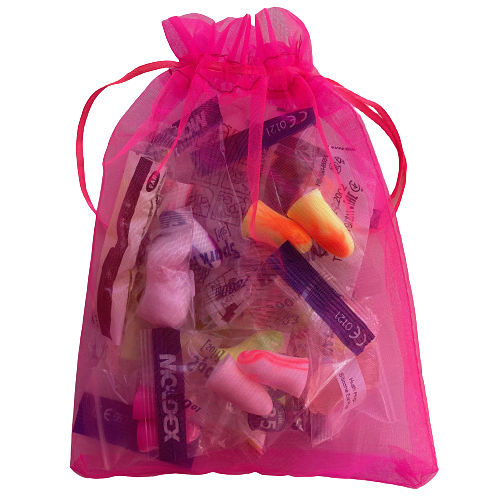
Ear canal size varies significantly between individuals. Women typically have smaller ear canals than men, which is why many manufacturers offer size-specific packs. If standard earplugs don’t fit comfortably or keep falling out, you may need smaller earplugs designed for compact ear canals. At Zoom Health, we offer both men’s and women’s earplug sample packs so you can experiment with different sizes and styles before committing to a full box.
Test Multiple Types
A sample pack is the best way to find your perfect match. Foam, silicone, and wax earplugs all perform differently, and personal preference matters as much as technical performance. Spend a few nights testing each type to understand which feels most comfortable and delivers the noise reduction you need.
Think About Your Use Case
Are you dealing with a partner’s snoring, traffic noise, or general ambient sound? Are you using earplugs for sleep, work, or study? Different situations may benefit from different earplug characteristics. For example, foam earplugs excel at blocking low-frequency snoring, whilst wax earplugs work well for light sleepers who need comfort first and noise reduction second.
Take Action: Find Your Perfect Earplugs
If you’re unsure which earplugs suit you, our sample packs let you try multiple styles in one purchase. Both our Men’s and Women’s packs include foam, silicone, and wax options.
Earplug Safety & Common Concerns
Many people worry about the safety of wearing earplugs at night, particularly regarding materials like silicone. The good news is that earplugs are generally safe to use when chosen and used correctly. Here’s what you need to know:
Is It Safe to Wear Earplugs Every Night?
Yes, earplugs are safe for regular use. Many people wear them nightly without issues. The key is maintaining proper hygiene and choosing earplugs that fit comfortably. If you experience any irritation, redness, or discharge after using earplugs, discontinue use and consult a healthcare provider.
Hygiene Best Practices
Foam and wax earplugs are single-use items and should be discarded after each use. Silicone and pre-moulded earplugs are reusable and should be gently cleaned with soap and water, dried thoroughly, and stored in a clean container. Avoid touching the tip of foam earplugs before insertion, and wash your hands before putting any earplug in.
Can Earplugs Cause Earwax Build-Up?
Properly inserted earplugs sit in the ear canal without damaging or blocking the eardrums. They do not cause earwax to build up excessively. However, if you notice any discomfort or feel that earwax is accumulating, take a break from earplugs or switch types. If problems persist, speak to your GP.
Important: If you have pre-existing ear conditions (such as an ear infection, perforation, or hearing aid use), always consult a doctor or audiologist before wearing earplugs. They can recommend the safest option for your situation.
When to Replace Your Earplugs
Different earplug types have different lifespans. Foam and wax earplugs are intended as single-use items and should be discarded after each session. Silicone and pre-moulded earplugs can last weeks or months if maintained properly, but you’ll eventually need to replace them as they lose elasticity or become damaged.
Replace reusable earplugs when they become cracked, discoloured, start to feel sticky, or no longer maintain their original shape. Loss of effectiveness—such as earplugs that no longer stay inserted or provide the same noise reduction—is also a sign it’s time for a fresh pair.
If certain earplugs do not fit or meet your needs, make a note of the ones that worked best for future reference. This helps you avoid wasting time and money on unsuitable types.
Doctor-Recommended Earplug Brands
At Zoom Health, we supply high-quality earplugs from trusted brands that healthcare professionals recommend. Here’s what sets them apart:
Mack’s
Mack’s earplugs are the top-selling earplug brand in the USA and are personally used by healthcare professionals. Their foam earplugs are engineered for comfort and durability, and they offer multiple styles including slim-fit options for smaller ear canals.
Moldex
Moldex earplugs are trusted for occupational and clinical settings. They’re known for consistent performance and are recommended by occupational health professionals.
Quies
Quies earplugs offer soft silicone and foam options suitable for sensitive ears and travel. They’re particularly popular across Europe and recommended for users who find standard foam uncomfortable.
Howard Leight
Howard Leight earplugs are engineered for professional and occupational use, offering reliable noise reduction and comfort for extended wear.
Ohropax
Ohropax earplugs are made from natural wax and are ideal for those seeking a softer, less intrusive option. They’re particularly popular for light sleepers.
Flents
Flents earplugs are affordable, reliable foam options widely recommended for everyday use, travel, and sleep.
Ready to Sleep Better? Try our earplug sample packs to find your perfect fit. With multiple types and sizes in one pack, you’ll discover exactly which earplugs work best for you.
With the right earplugs, you can enjoy a peaceful and distraction-free night’s sleep. Whether you opt for foam, silicone, wax, or pre-moulded earplugs, the key is finding the type and brand that fits your ear canal comfortably and delivers the noise reduction you need. Start with a sample pack, test different options, and remember that what works brilliantly for someone else may be different for you—and that’s perfectly normal.
About the Author
Anthony Cunningham — Health Writer & Editor
Anthony Cunningham, BA (Hons), MA, is a UK-based health writer and editor with over 20 years’ experience running Zoom Health, a trusted source for home health tests, preventive care, and wellness guidance. He creates clear, evidence-based articles using NHS, NICE, and WHO guidance. Where possible, content is reviewed by practising clinicians to enhance accuracy and reliability, helping readers make informed healthcare decisions.
You May Also Like
Explore more health and wellness guides from Zoom Health: