About This Article
Zoom Health has provided home health, preventive care and wellness information for more than 20 years. This article looks at practical ways to improve your bedtime routine, create a better sleep environment and make it easier to relax when you are struggling to fall asleep.
Published: 5 April 2024 | Last Updated: 15 August 2026 | By: Anthony Cunningham
Falling asleep easily can become more difficult when stress, an irregular routine, noise or an unsuitable sleep environment gets in the way. While there is no single technique that guarantees a quick night’s sleep, a few practical changes can make it easier for your mind and body to wind down.
Good sleep habits are often referred to as sleep hygiene. They include keeping regular sleep and wake times, creating a comfortable bedroom, allowing yourself time to relax before bed and avoiding habits that make it harder to switch off.
Contents
- How to Fall Asleep More Easily
- Create the Right Sleep Environment
- Build a Consistent Bedtime Routine
- Relax Your Mind and Body
- The Military Sleep Method
- Progressive Muscle Relaxation
- Using Earplugs for Sleeping
- When to Get Help With Sleep Problems
How to Fall Asleep More Easily
If you regularly lie awake waiting for sleep, it can be tempting to search for a single trick that will make you fall asleep immediately. In practice, improving several parts of your bedtime routine is generally more useful.
The NHS recommends establishing regular sleep habits and giving yourself time to relax before bed. Going to bed and getting up at roughly the same time each day can help your body develop a more consistent sleep pattern.
Some simple things to try include:
- Keep regular sleep and wake times. Try to follow a similar routine every day, including at weekends where possible.
- Give yourself time to wind down. Avoid going directly from work, chores or stimulating activities to trying to sleep.
- Reduce screen use before bed. Phones, tablets and computers can keep your mind active and expose you to bright light when you are trying to relax.
- Keep your bedroom comfortable. A room that is dark, quiet and comfortably cool is generally easier to sleep in.
- Avoid large meals close to bedtime. A heavy meal shortly before lying down can feel uncomfortable and may interfere with sleep.
- Exercise regularly. Physical activity during the day can support healthy sleep, although vigorous exercise immediately before bed may be stimulating for some people.
- Be careful with daytime naps. If you struggle to sleep at night, long or late naps may make it more difficult to feel sleepy at bedtime.
Create the Right Sleep Environment
Your bedroom does not need to be elaborate, but it should make sleep as easy as possible. The right temperature varies from person to person, so aim for a room that feels comfortably cool rather than excessively warm.
Try to reduce unwanted light. Curtains, blackout blinds or a comfortable sleep mask may help if outside lighting or early morning daylight disturbs you.
Noise is another common problem. If traffic, neighbours, a partner’s snoring or other sounds regularly disturb your sleep, suitable earplugs can reduce the amount of background noise reaching your ears.
Comfort also matters. Choose pillows, bedding and sleepwear that suit you rather than assuming that one material or style is best for everyone.
Build a Consistent Bedtime Routine
A predictable routine can give your body useful cues that the day is ending. Start winding down before you intend to sleep rather than waiting until you are already in bed.
You could try reading, listening to quiet music or a podcast, having a warm bath or shower, or simply spending some time away from work and electronic devices. The important thing is to choose something you find calming and can realistically repeat most evenings.
Some people enjoy a warm caffeine-free drink before bed. This can be part of a relaxing routine, but warm milk or similar drinks should not be regarded as a proven treatment for insomnia.
If your mind tends to fill with unfinished tasks as soon as you get into bed, writing down a short list for the following day may help you put those thoughts aside until morning.
Relax Your Mind and Body
Stress and worry can make it difficult to switch off at night. Simple relaxation exercises can help some people reduce physical tension and focus their attention away from racing thoughts.
Slow breathing is one option. Lie or sit comfortably and breathe gently and steadily, allowing your shoulders and jaw to relax. There is no need to force particularly deep breaths or follow a complicated pattern. The aim is simply to slow things down and become more relaxed.
Reading can also provide a useful transition between the activity of the day and sleep. Choose something you find relaxing rather than content that is likely to keep you alert or encourage you to continue reading for hours.
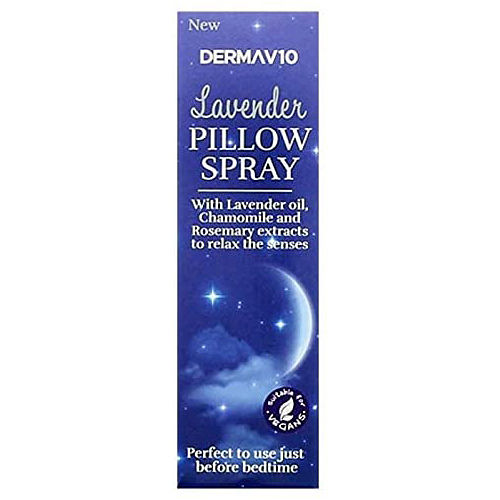
Featured Product: Lavender Sleep Pillow Spray 30ml
If fragrance forms part of your bedtime routine, Lavender Sleep Pillow Spray combines lavender oil with chamomile and rosemary extracts. It can be sprayed onto pillows and bedding before bed to add a relaxing fragrance to your usual wind-down routine. It should be viewed as an aromatherapy product rather than a treatment for insomnia.
The Military Sleep Method
You may have come across the so-called military sleep method online. It combines physical relaxation, controlled breathing and visualisation and is frequently described as a way to fall asleep very quickly.
Despite the name and the commonly repeated claim that it can make someone fall asleep within two minutes, there is limited direct clinical evidence supporting that specific promise. However, the relaxation techniques involved may still be useful if you find them calming.
A typical version involves:
- Getting comfortable and relaxing the muscles in your face.
- Allowing your shoulders to drop and relaxing your arms.
- Breathing slowly while releasing tension from your chest.
- Relaxing your legs gradually from your thighs down towards your feet.
- Focusing your attention on a calm mental image or peaceful scene.
Do not worry about completing the steps perfectly or falling asleep within a particular time. Trying too hard to force yourself to sleep can itself make relaxation more difficult.
Progressive Muscle Relaxation
Progressive muscle relaxation involves gently tensing and then relaxing different muscle groups in turn. It can help you become more aware of physical tension and may be useful as part of a calming bedtime routine.
You can try the technique while lying comfortably in bed:
- Start with a few slow, comfortable breaths.
- Gently tense the muscles in your face for a few seconds, then release them.
- Raise your shoulders slightly towards your ears, hold briefly, then let them relax.
- Move through your arms, hands, abdomen, legs and feet in the same way.
- Notice the difference between the feeling of tension and relaxation rather than trying to force yourself to sleep.
If deliberately tensing a particular muscle causes pain or discomfort, simply skip that area and concentrate on relaxing it instead.
Using Earplugs for Sleeping
A quiet bedroom can make it easier to fall asleep and stay asleep. Earplugs can be particularly useful if you live near traffic, have noisy neighbours, travel frequently or share a room with someone who snores.
Finding the right earplug is important because ears differ in size and shape. A plug that works extremely well for one person may feel uncomfortable or provide a poor seal for someone else.
Choosing the Right Earplugs
Foam, silicone and wax earplugs all feel different in the ear. Foam plugs are compressed before insertion and expand inside the ear canal, while mouldable plugs generally form a seal around or near the entrance to the ear canal.
Comfort is particularly important when wearing earplugs overnight. An earplug that creates too much pressure may become uncomfortable when you lie on your side, while one that is too small may not provide the noise reduction you want.
Try Different Earplugs Before Choosing
If you are unsure which type fits you best, an earplug sample pack lets you compare several different styles without buying a full pack of each one.
Zoom Health offers both a Women’s Earplugs Sample Pack and a Men’s Earplugs Sample Pack. The packs contain a selection of different earplug shapes and sizes, making it easier to compare fit and comfort.
The names of the packs provide a useful starting point rather than a strict rule. Ear canal size varies considerably between individuals, so the best choice is whichever earplug fits comfortably and provides an effective seal for you.
Other Habits That May Help You Sleep
Sleep is affected by what happens throughout the day, not just during the few minutes before you go to bed. If you regularly struggle to fall asleep, consider your routine as a whole.
- Get some daylight during the day. Natural light helps support the body’s normal sleep-wake rhythm.
- Stay physically active. Regular exercise can support sleep as well as general health.
- Watch your caffeine intake. Tea, coffee, energy drinks and other sources of caffeine can continue to affect you for several hours.
- Avoid using alcohol as a sleep aid. Alcohol may initially make you feel sleepy but can disrupt sleep later in the night.
- Keep work away from the bed where possible. Associating your bed primarily with sleep can make it easier to wind down when you get into it.
- Do not keep checking the clock. Watching the minutes pass can increase frustration and make relaxation more difficult.
When to Get Help With Sleep Problems
Most people have an occasional bad night’s sleep, particularly during periods of stress or disruption. However, regularly struggling to fall asleep, waking repeatedly during the night or feeling exhausted during the day may indicate insomnia or another sleep problem.
The NHS advises speaking to a GP if changing your sleeping habits has not helped, if you have had trouble sleeping for months, or if your sleep problems are affecting your daily life in a way that makes it difficult to cope.
It is also worth seeking medical advice if your sleep is disrupted by symptoms such as persistent loud snoring, pauses in breathing during sleep, significant pain or unexpectedly falling asleep during the day, as these can sometimes be associated with other conditions.
For further guidance, see the NHS information on insomnia.
Conclusion
There is no guaranteed trick for falling asleep instantly, and trying to force sleep can sometimes make the problem worse. A more useful approach is to build a consistent routine that gives your body and mind the right conditions for sleep.
Keep your bedroom dark, quiet and comfortable, allow yourself time to wind down, reduce stimulating activities before bed and experiment with simple relaxation techniques. If noise is the problem, a well-fitting pair of earplugs may also make your sleeping environment more comfortable.
If sleep difficulties continue despite making these changes, particularly if they are affecting your health or everyday life, speak to your GP rather than relying indefinitely on home remedies.
About the Author
Anthony Cunningham, BA (Hons), MA, is a UK-based health writer and editor with over 20 years’ experience running Zoom Health, a trusted source for home health tests, preventive care, and wellness guidance. He creates clear, evidence-based articles using NHS, NICE, and WHO guidance. Where possible, content is reviewed by practising clinicians to enhance accuracy and reliability, helping readers make informed healthcare decisions.