About This Article
Zoom Health has supplied home health tests and published health guidance for over 20 years. This article explains what urine and saliva pH strips measure, how to read the results and why they cannot show whether your whole body is acidic.
Published: 28 April 2019 | Last Updated: 28 September 2026 | By: Anthony Cunningham
A pH test strip changes colour when it touches a liquid. It can give an approximate reading of the acidity or alkalinity of a urine or saliva sample. That reading describes the sample you tested, not your body’s overall pH.
The distinction matters because urine pH can vary throughout the day, while the body keeps blood pH within a narrow range. A home urine or saliva strip cannot diagnose an acid-base imbalance or tell you whether you need to change your diet.
What Does pH Measure?
The pH scale describes how acidic or alkaline a liquid is. A reading of 7 is neutral; lower readings are acidic and higher readings are alkaline. Different body fluids naturally have different pH values, so there is no single number that represents the pH of your entire body.
According to the NHS, normal arterial blood pH is about 7.35 to 7.45. Clinicians assess possible acid-base problems using blood tests and the wider clinical picture, not a home saliva or urine pH strip.
What Can Urine pH Tell You?
A urine strip estimates the acidity of that particular urine sample. Urine pH changes as the kidneys help regulate the body’s acid-base balance. Food, medicines, health conditions and the time a sample is tested can affect a result. Newcastle Hospitals Laboratories lists an adult urine pH reference range of 4.5 to 8.0, illustrating why one reading should not be treated as a wellness score.
Healthcare professionals may consider urine pH when investigating particular conditions, including some types of kidney stones. The meaning of a result depends on the reason for testing and other findings. If a clinician has asked you to monitor urine pH, follow the target and timing they give you rather than a general target found online.
What About Saliva pH?
A saliva strip measures the pH of saliva at the time of testing. Food and drink can affect a reading. It does not measure blood pH or establish whether you have poor digestion, low immunity, depression or any other condition. There is no general home saliva pH target that can confirm “optimum” health.
Using pH Test Strips
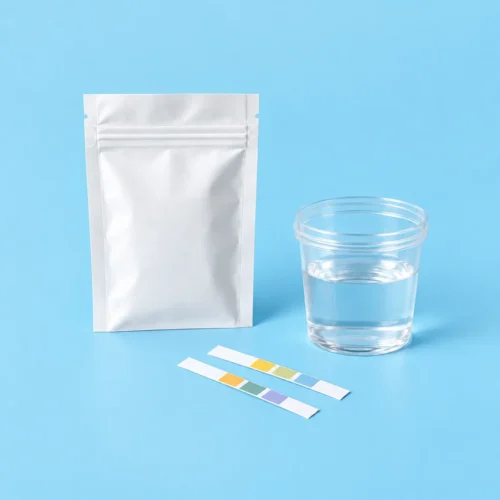
Use strips only with the sample types stated on the packaging. Follow the supplied instructions for collecting the sample, waiting for the colour to develop and comparing it with the chart. Read the result at the specified time, as colours may change if you wait too long.
A result outside a range you expected does not by itself mean you are unwell. If you have symptoms or have been told to monitor pH for a medical reason, discuss the result with your GP or the clinician overseeing your care. Do not use a strip result to diagnose a condition or alter prescribed medicines.

Featured Product: Saliva & Urine pH Test Strips
These saliva and urine pH test strips provide a colour comparison for the pH of the tested sample. They are not a way to diagnose disease or measure your body’s overall pH.
The Bottom Line
Urine and saliva pH strips can show the pH of a sample, but they cannot tell you whether your body is “too acidic” or whether changing its pH would improve your health. Use any result in the context of the test instructions and, where relevant, advice from a healthcare professional.
Sources
About the Author
Anthony Cunningham, BA (Hons), MA, is a UK-based health writer and editor with over 20 years’ experience running Zoom Health, a trusted source for home health tests, preventive care, and wellness guidance. He creates clear, evidence-based articles using NHS, NICE, and WHO guidance. Where possible, content is reviewed by practising clinicians to enhance accuracy and reliability, helping readers make informed healthcare decisions.
Medical Disclaimer
This article is for general information only and is not a substitute for professional medical advice, diagnosis or treatment. If you have concerns about your health or symptoms, speak to your GP or another qualified healthcare professional. In an emergency, seek urgent medical help.