About This Article: Zoom Health has supplied home health tests to UK customers for nearly 20 years. This guide draws on our experience helping thousands of people monitor their prostate health and understand PSA testing. Always consult a healthcare professional for medical advice.
Published: May 28, 2024 | Last Updated: December 31, 2025 | By: Anthony Cunningham
Prostate cancer is the most common cancer in men in the UK. It usually develops slowly, so there may be no signs for many years. A simple prostate test can be done at home and will give you an indication of how healthy your prostate is and is even an early indicator for cancer.
Swedish clinical studies have recently discovered that when men between the ages of 45-49 get PSA tests annually, prostate cancer deaths can be cut by 50%. This finding highlights the critical importance of early detection in saving lives.
Contents
What is PSA and Why Does It Matter?
Prostate Specific Antigen (PSA) is a protein made by the prostate and circulated into the blood in minute amounts. Extra PSA is circulated if there is a dilemma with the prostate. Prostate difficulties that lead to elevated PSA could be prostatitis (inflammation of the prostate), benign prostatic hyperplasia (swollen prostate) or even prostate cancer.
When there is any trouble with the prostate, the gland is going to discharge bigger quantities of PSA into the blood stream. According to NHS guidance, whilst PSA testing isn’t a definitive diagnosis of prostate cancer, increased PSA levels show that there is something wrong that warrants further investigation.
Your prostate affects your ability to urinate and will also impact your sex life, therefore if you are having difficulty peeing or problems sexually this might be an early indicator that your prostate is not healthy.
Understanding PSA Levels
PSA levels are measured in nanograms per millilitre (ng/ml) of blood. Generally speaking, lower PSA levels indicate a healthier prostate, though what’s considered “normal” can vary by age and individual circumstances.
General PSA Level Guidelines
- 0-2.5 ng/ml: Generally considered normal for men under 60
- 2.5-4 ng/ml: Borderline; may be normal for older men but warrants monitoring
- 4-10 ng/ml: Elevated; requires discussion with your GP about further testing
- Above 10 ng/ml: Significantly elevated; urgent GP consultation recommended
Important: Age affects normal PSA ranges. Older men naturally have slightly higher PSA levels as the prostate enlarges with age. Your GP will interpret results in context of your age, symptoms, and medical history.
It’s worth noting that PSA levels can fluctuate due to various factors. Recent ejaculation, vigorous exercise, cycling, or a urinary tract infection can temporarily raise PSA levels. For the most accurate results, avoid these activities for 48 hours before testing.
Symptoms That May Indicate Prostate Problems
According to Prostate Cancer UK, many men with early prostate cancer have no symptoms at all. However, some warning signs that warrant a PSA test include:
- Needing to urinate more frequently, especially at night
- Difficulty starting to urinate or weak urine flow
- Straining or taking a long time to finish urinating
- Feeling that your bladder hasn’t emptied fully
- Urgency or sudden need to urinate
- Blood in your urine or semen
- Pain or burning during urination
- Erectile dysfunction or reduced sexual function
While these symptoms can be caused by conditions other than cancer (such as an enlarged prostate or infection), they should always be discussed with your GP. Early investigation provides peace of mind and, if necessary, early treatment.
Who Should Get Tested?
Men 50 years and older can get a free PSA test from their GP. However, as per the recent Swedish study mentioned earlier, when men are screened from 45 to 49 years old, there is an increased chance of detecting prostate cancer early and preventing deaths. Men 40 and older should have the test done annually so that any prostate related problems can be detected early.
Higher Risk Groups
Some men face higher risk of prostate cancer and should consider testing earlier or more frequently:
- Men over 50: Risk increases significantly with age
- Black men: Twice as likely to develop prostate cancer; screening recommended from age 45
- Family history: If your father or brother had prostate cancer, especially before age 60, you’re at higher risk
- Men with BRCA gene mutations: Inherited genetic factors can increase risk
The NHS recommends that men in higher risk groups discuss testing options with their GP from age 45 onwards.
How to Use a Home PSA Test
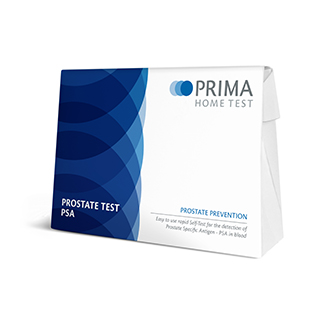
The Zoom Health Prostate Kit will show if you have anything to be concerned about. Home PSA tests work by detecting PSA protein levels from a small blood sample, typically from a finger prick.
The process is straightforward:
- Wash your hands thoroughly with warm water to improve blood flow
- Use the sterile lancet provided to prick the side of your fingertip
- Collect the required blood sample (usually a few drops)
- Apply the sample to the test cassette as directed
- Wait the specified time (typically 10-15 minutes) for results
- Read your result by comparing the test line intensity to the reference chart
Most home PSA tests produce a positive result if PSA amounts increase above the usual amounts of 4 ng/ml. The test typically shows a control line to confirm it’s working properly, and a test line whose intensity indicates your PSA level range.
What Customers Say
★★★★★ Stephen – July 2017
“In the absence of UK screening this kit can help early detection of prostate cancer and may have saved my life back in 2009, leading me to form the Mancheck.org charity.”
★★★★★ Paul – April 2018
“Very easy to use and a small price to pay for peace of mind. My friend has just been diagnosed with prostate cancer which prompted me to do the home test. I think I’ll do it once a year from now on.”
★★★★★ Chas K. – July 2015
“The kit arrived quickly and the instructions on how to use it were easy to follow. Recommended.”
Early Detection Saves Lives – Take control of your prostate health with an annual home PSA test. Simple, private, and delivered to your door.
If Your PSA Level is Elevated, What Should You Do?
See your doctor immediately. Before you make any drastic medical decisions, always consult with your doctor first.
An elevated PSA result doesn’t automatically mean you have prostate cancer. Your GP will likely:
- Take a detailed medical history and discuss your symptoms
- Perform a digital rectal examination (DRE) to physically check your prostate
- Order a repeat PSA blood test to confirm the result
- Consider other factors that might affect PSA levels (recent infection, medications, etc.)
- Refer you to a urologist if results remain elevated or concerning
If your GP suspects cancer, they may recommend an MRI scan or prostate biopsy. These investigations help determine whether cancer is present and, if so, how aggressive it is. According to NHS diagnostic pathways, most men with elevated PSA do not have cancer, but early investigation provides either reassurance or early treatment when needed.
Supporting Prostate Health Through Lifestyle
In addition to getting a PSA test, there are lifestyle changes you can make to support prostate health. Maintaining a healthy weight through diet and exercise is beneficial. Eating plenty of fruits, vegetables, and foods rich in zinc like oysters and pumpkin seeds may help.
Specific dietary considerations that may support prostate health include:
- Tomatoes: Rich in lycopene, an antioxidant linked to lower prostate cancer risk
- Cruciferous vegetables: Broccoli, cauliflower, and Brussels sprouts contain compounds that may protect against cancer
- Green tea: Contains polyphenols with potential protective properties
- Oily fish: Omega-3 fatty acids from salmon, mackerel, and sardines may reduce inflammation
- Nuts and seeds: Provide selenium, vitamin E, and beneficial fats
Avoiding smoking, excessive alcohol, and limiting consumption of charred or processed meats can reduce cancer risk. Supplements like saw palmetto and lycopene may also promote prostate wellness, though more research is needed. Regular physical activity, particularly exercises that don’t put pressure on the prostate (swimming, walking, jogging), is also beneficial.
Making positive lifestyle adjustments combined with regular prostate screenings gives you the best chance of detecting any issues early and maintaining long-term prostate health.
About the Author
Anthony Cunningham – Health Writer & Editor
Anthony Cunningham, BA (Hons), MA, is a UK-based health writer and editor with over 20 years’ experience running Zoom Health, a trusted source for home health tests, preventive care, and wellness guidance. He creates clear, evidence-based articles using NHS, NICE, and WHO guidance. Where possible, content is reviewed by practising clinicians to enhance accuracy and reliability, helping readers make informed healthcare decisions.
You May Also Like
Explore more articles on men’s health and home testing: