About This Article
Zoom Health has supplied home health tests and wellness products to UK customers for nearly 20 years. This guide draws on our experience helping thousands of people explore natural remedies for health and wellbeing. While essential oils can support wellness, they should complement—not replace—professional medical advice. Always consult a healthcare professional for serious health concerns.
Published: 11 October 2024 | Last Updated: 01 January 2026 | By: Anthony Cunningham
The Zingy Roots of Wellness
Ginger’s been spicing up our lives for ages, and not just in the kitchen! This warm, sweet rhizome has long been a star player in herbal remedies worldwide. From soothing sore throats with ginger-infused honey water to rubbing diluted oil on achy muscles, ginger’s got a knack for making us feel better.
While Westerners might be more familiar with ginger in their biscuits or fizzy drinks, there’s a growing buzz about its essential oil. People are waking up to ginger oil’s potential as a natural health booster, and we’re here to spill the tea (or should we say, the oil?).
What’s the Deal with Ginger Oil?
Picture this: a sunny tropical garden in Asia. That’s where you’ll find ginger plants thriving. The oil comes from the plant’s underground stems, or rhizomes, through a process called steam distillation. The result? A golden-yellow liquid that packs a punch with its sharp yet sweet aroma.
Fun fact: not all ginger oils are created equal. The soil where the plant grows affects its levels of zingiberene, a key component that gives ginger its zing. So, you could say each bottle of ginger oil has its own unique terroir, just like fancy wines!
How Does This Spicy Oil Work Its Magic?
Ginger essential oil is chock-full of good stuff, namely antioxidants and compounds with anti-inflammatory and antibacterial properties. The stars of the show are monoterpenes and sesquiterpenes.
When you breathe in diffused ginger oil or apply it to your skin (always diluted, mind you!), these compounds go to work. They fight off pesky free radicals, calm inflammation, and even help prevent cell damage. It’s like having a tiny army of wellness warriors at your service!
Seven Surprising Perks of Ginger Oil
1. Tummy Trouble? No Problem!
If your belly’s doing the rumba, ginger oil might just be your dance partner. Studies have shown it can help with everything from ulcers to nausea. In fact, some folks swear by a whiff of ginger oil to keep post-surgery queasiness at bay. The NHS notes that while nausea usually passes on its own, natural remedies like ginger have been traditionally used for digestive comfort.
2. Sniffles, Be Gone!
Got a cold that just won’t quit? Ginger oil’s got your back. It helps kick out mucus and flush away bacteria. Plus, it’s got a knack for soothing swollen airways. The NHS recommends plenty of fluids and rest for colds and flu, and many people find aromatherapy with essential oils a comforting addition to their recovery routine. Breathe easy, friend!
3. Aches and Pains, Meet Your Match
That zingiberene we mentioned earlier? It’s a real pain in the… well, for pain! Research suggests ginger oil can help with everything from achy knees to post-workout soreness. The NHS guidance on arthritis highlights the importance of managing joint inflammation, and whilst ginger oil isn’t a medical treatment, many people find topical application of diluted essential oils soothing for muscle and joint discomfort. It’s like nature’s ibuprofen, but way more fragrant.
4. Mood Booster Extraordinaire
Feeling down in the dumps? A little ginger oil aromatherapy might perk you up. Some studies hint that it could give your serotonin (aka the “happy hormone”) a nudge. The NHS provides extensive mental health support for those experiencing anxiety or low mood, and complementary practices like aromatherapy can be a pleasant addition to overall wellbeing routines. Who knew happiness could smell so spicy?
5. Skin’s New Best Friend
Free radicals, watch out! Ginger oil’s antioxidants are coming for you. This means potential help with premature ageing, skin elasticity, and even those pesky dark spots. Just remember to dilute it before slathering on your face!
6. Germ Buster Supreme
Bacteria and fungi, beware! Ginger oil’s got some serious germ-fighting mojo. It might help with everything from food poisoning to yeast infections. Talk about a multi-tasker!
7. Heart Helper
While we’re not suggesting you ditch your doctor’s advice, some early studies hint that ginger might lend a hand with cholesterol and blood clotting. Your ticker might just thank you for a little ginger-y love.
Important Medical Disclaimer: Ginger essential oil is a complementary wellness product and should not replace medical treatment. If you have persistent digestive issues, respiratory problems, joint pain, or any serious health condition, always consult your GP or healthcare professional. Essential oils can interact with medications and may not be suitable for everyone, particularly those who are pregnant, breastfeeding, or have underlying health conditions.
Spicing Up Your Life with Ginger Oil
Ready to give ginger oil a whirl? Here are some easy ways to incorporate it into your daily routine:
- Aromatherapy: Pop a few drops in your diffuser and let the spicy-sweet scent fill the room.
- Skincare: Mix a drop or two with your favourite lotion for a warming, cleansing boost.
- Nausea Buster: Take a gentle whiff straight from the bottle when your tummy’s doing flips.
- Room Freshener: Add some to a spray bottle with water for an instant pick-me-up spritz.
Essential Safety Guidelines
Whilst ginger oil offers many potential benefits, it’s crucial to use it safely and correctly. Essential oils are highly concentrated and can cause irritation or adverse reactions if used improperly.
Safe Usage Practices
- Always dilute: Never apply ginger essential oil directly to skin. Mix 2-3 drops with 10ml (approximately 2 teaspoons) of carrier oil such as sweet almond, jojoba, or coconut oil.
- Patch test first: Apply a small amount of diluted oil to your inner forearm and wait 24 hours to check for any reaction before wider use.
- Keep away from sensitive areas: Avoid contact with eyes, inner ears, nose, and mucous membranes. If accidental contact occurs, rinse thoroughly with carrier oil (not water).
- Not for internal use: Do not ingest ginger essential oil unless under the guidance of a qualified aromatherapist or healthcare professional.
- Storage matters: Keep in a cool, dark place away from direct sunlight. Properly stored, ginger oil maintains potency for up to 2 years.
- Children and pets: Use extreme caution around children under 10 years. Keep out of reach of pets, as essential oils can be toxic to animals.
Who Should Avoid Ginger Oil?
- Pregnant or breastfeeding: Consult your midwife or GP before using any essential oils during pregnancy or whilst nursing.
- Sensitive skin: Those with eczema, dermatitis, or very sensitive skin should exercise extra caution and may wish to avoid topical use.
- Taking medications: Ginger can interact with blood-thinning medications, diabetes drugs, and blood pressure medications. Speak to your GP or pharmacist first.
- Before surgery: Stop using ginger oil at least 2 weeks before scheduled surgery as it may affect blood clotting.
- Bleeding disorders: Those with haemophilia or other clotting disorders should avoid ginger oil.
A Spicy Trip Through Time
Ginger’s been around the block a few times. Ancient civilisations from Greece to China couldn’t get enough of it. In fact, Confucius always kept some handy during meals – talk about a foodie philosopher!
Here’s a giggle-worthy tidbit: in the 13th and 14th centuries, ginger was so prized that it was worth as much as a sheep. Imagine trading your woolly friend for some spicy root!
Burning Questions About Ginger Oil
Can anyone use it?
Whilst ginger oil is generally safe, it’s always clever to do a patch test first. And remember, never apply it directly to your skin without diluting it first. We’re going for “pleasantly tingly,” not “on fire”!
How long does ginger oil last?
When stored properly in a cool, dark place, ginger oil can last up to two years. However, its potency may decrease over time. If you notice any changes in colour, consistency, or smell, it’s best to bin it and get a fresh bottle.
Can I ingest ginger oil?
Hold your horses! Whilst ginger root is perfectly edible, ginger essential oil is highly concentrated and not meant for internal use unless under the guidance of a qualified aromatherapist or healthcare professional. Stick to external use or diffusion for safe, aromatic benefits.
Will ginger oil stain my clothes?
Ginger oil can leave oily marks on fabric, so be careful when applying it near clothing. If you do get a spot, don’t fret! Try pre-treating the area with a bit of washing-up liquid before tossing it in the wash. For delicate fabrics, it’s best to consult a professional cleaner.
So there you have it, folks! Ginger oil: not just for biscuits anymore. Why not give this spicy little number a try? Your nose (and possibly your whole body) will thank you!
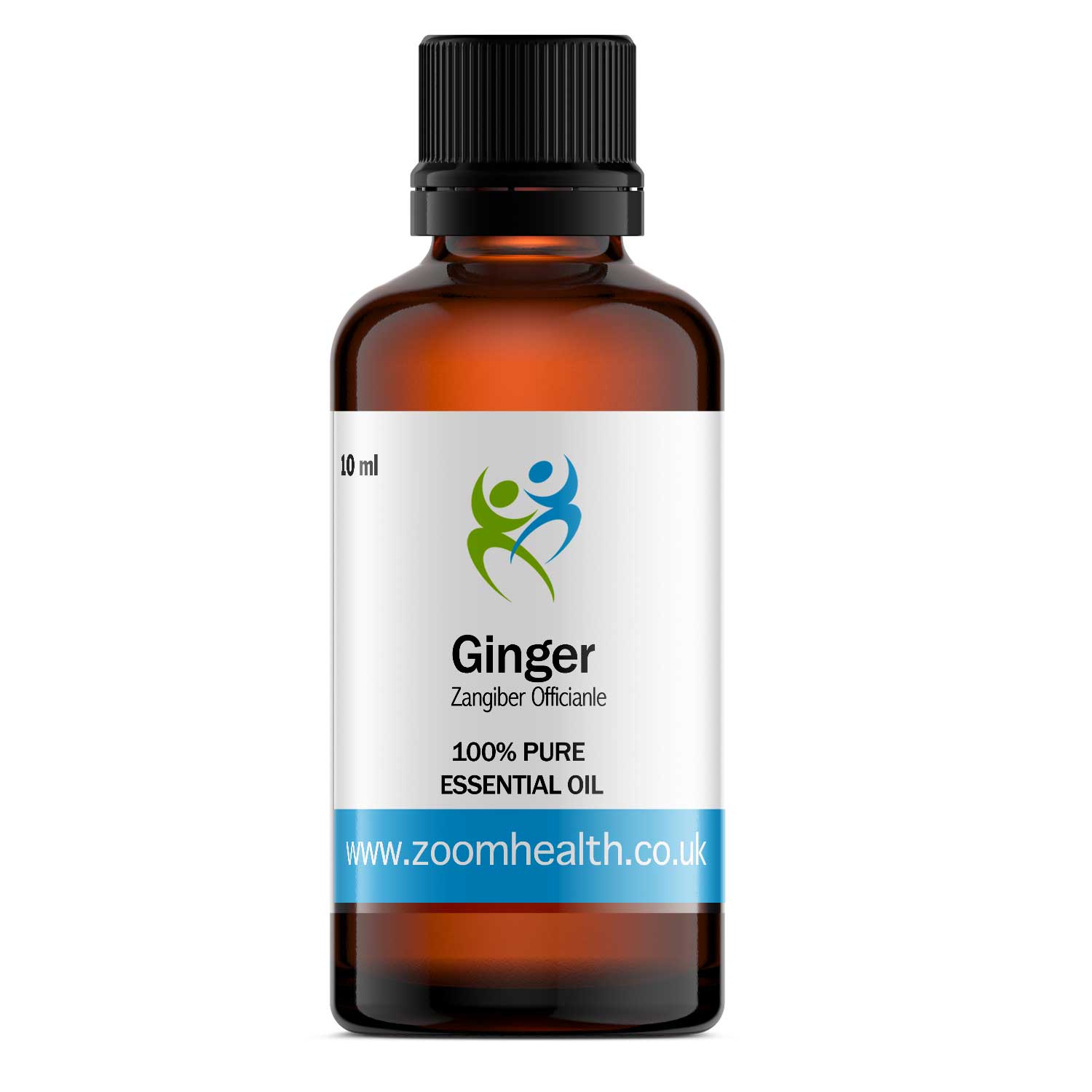
Photo “Ginger” by Anthony Cunningham for Zoom Health
Zoom Health is a leading UK supplier of Home Health Tests and Earplugs
About the Author
Anthony Cunningham – Health Writer & Editor
Anthony Cunningham, BA (Hons), MA, is a UK-based health writer and editor with over 20 years’ experience running Zoom Health, a trusted source for home health tests, preventive care, and wellness guidance. He creates clear, evidence-based articles using NHS, NICE, and WHO guidance. Where possible, content is reviewed by practising clinicians to enhance accuracy and reliability, helping readers make informed healthcare decisions.
You May Also Like
Explore more articles on essential oils and natural wellness: