About This Article
Zoom Health has provided home health products and practical health information for over 20 years. This article explains current NHS access to continuous glucose monitoring for people with type 1 diabetes and how the devices work.
Published: 22 November 2018 | Last Updated: 28 September 2026 | By: Anthony Cunningham
More people with type 1 diabetes in England can now use a wearable device to monitor their glucose levels through the NHS. Access has changed substantially since the original expansion of flash glucose monitoring in 2019. Current NICE guidance says adults with type 1 diabetes should be offered a choice of real-time continuous glucose monitoring (rtCGM) or intermittently scanned monitoring (isCGM, often called flash), taking their needs and preferences into account.
The NHS says CGM should be available to anyone with type 1 diabetes. Children and young people are usually offered real-time CGM, while adults are usually offered a choice of real-time or flash monitoring. If you do not already have a device, ask your diabetes team about your options.
How Access Has Changed
In 2018, NHS England announced plans to widen access to flash glucose monitors from April 2019. At the time, availability varied between local areas, and the announcement aimed to make access more consistent. That was an important step, but the old eligibility figures and references to clinical commissioning groups no longer describe the current position.
NICE subsequently recommended offering continuous glucose monitoring to adults with type 1 diabetes. The choice of device should reflect the person’s preferences, needs and the features of the available systems. NHS access to CGM for some people with type 2 diabetes follows different criteria.
How Do Glucose Monitors Work?
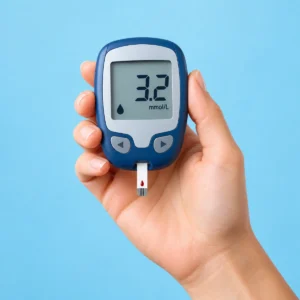
A CGM uses a small sensor worn on the body to measure glucose in the fluid just beneath the skin. Depending on the device, readings can appear on a compatible phone or a separate reader, sometimes with alerts when glucose is too high or too low. It can show patterns throughout the day and night and reduce the need for routine finger-prick tests.
Sensor readings can lag behind blood glucose, particularly when levels change quickly. People using CGM still need access to a finger-prick meter and may need to check their blood glucose when a reading does not match how they feel or when their care team advises it. Your diabetes team can explain how to use your particular device safely.
Asking Your Diabetes Team
If you have type 1 diabetes and do not use CGM, ask your diabetes team which devices are available and which would suit you. They can explain the differences between real-time and flash systems, phone compatibility, alerts and how to interpret readings alongside your usual diabetes care.
About the Author
Anthony Cunningham, BA (Hons), MA, is a UK-based health writer and editor with over 20 years’ experience running Zoom Health, a trusted source for home health tests, preventive care, and wellness guidance. He creates clear, evidence-based articles using NHS, NICE, and WHO guidance. Where possible, content is reviewed by practising clinicians to enhance accuracy and reliability, helping readers make informed healthcare decisions.
Medical Disclaimer
This article is for general information only and is not a substitute for professional medical advice, diagnosis or treatment. If you have concerns about your health or symptoms, speak to your GP or another qualified healthcare professional. In an emergency, seek urgent medical help.