About This Article
Zoom Health has provided health and wellbeing information for over 20 years. This article revisits the drink spiking reports recorded in Devon and Cornwall in 2018 and examines how police prevention, testing and reporting procedures have developed since then.
Originally published: 1 November 2018 | Updated: 12 October 2026 | By: Anthony Cunningham
Drink spiking reports in Devon and Cornwall attracted concern in 2018, when police began working with local bars and clubs to gather evidence more quickly. Since then, the force has expanded its approach to testing, venue partnerships and supporting people who report suspected spiking.
The original figures remain a useful record of how the problem came to public attention, but they should not be mistaken for current incident totals.
The Original Drink Spiking Reports in Devon and Cornwall
In November 2018, Zoom Health reported that drink spiking had been reported 76 times in Devon and Cornwall in 2017, compared with 39 cases in 2016 and four in 2015. These were historical reported incidents, not a measure of the full prevalence of drink spiking.
| Year | Reported Drink Spiking Incidents |
|---|---|
| 2015 | 4 |
| 2016 | 39 |
| 2017 | 76 |
Source: Historical drink spiking reports referenced in the original 2018 Zoom Health article. These figures represent reported incidents at the time and should not be interpreted as current statistics or the total prevalence of drink spiking.
At the time, police were concerned that some incidents were not being reported and that delays in obtaining samples could make investigations more difficult.

How the Police Response Developed
In the years following the original reports, Devon and Cornwall Police developed a more coordinated response involving licensed premises, testing arrangements and awareness campaigns.
In 2021, the force expanded a drink spiking screening initiative across Devon and Cornwall, involving more than 300 venues. The programme was intended to help venues and police respond more promptly when someone suspected their drink had been spiked.
The College of Policing subsequently documented the approach as an example of practice designed to support evidence gathering and investigations.
These developments show why the original 2018 story remains relevant. The issue was no longer simply one of rising reports, but also how quickly concerns could be identified, recorded and investigated.
What Is Drink Spiking?
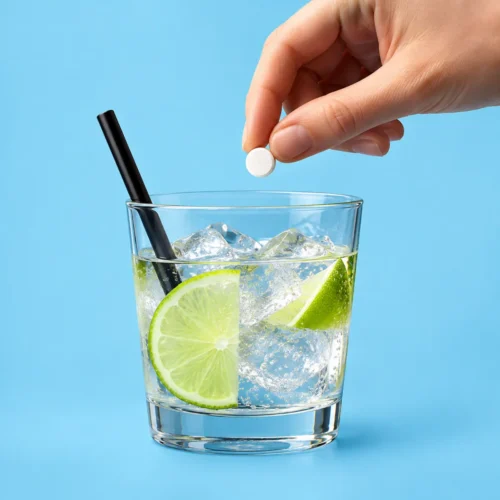
Drink spiking involves adding alcohol or another substance to someone’s drink without their knowledge or consent. It can also involve increasing the alcoholic strength of a drink without telling the person consuming it.
Possible effects can include confusion, dizziness, nausea, impaired coordination, memory loss or unusual drowsiness. However, symptoms vary and cannot reliably identify which substance, if any, was involved.
Alcohol itself can be involved in drink spiking, and suspected cases should not be assumed to involve a particular illegal drug.
Why Prompt Testing and Evidence Collection Matter
One of the difficulties highlighted by the original police initiative was the limited time available to collect useful evidence following a suspected incident.
Some substances can become difficult to detect relatively quickly. The appropriate sample, testing method and collection window depend on the circumstances and the substance involved.
Screening tests may help identify certain substances, but they cannot rule out every possible form of drink spiking. A negative result does not necessarily mean that spiking did not occur.
Where a criminal investigation is involved, police and forensic professionals can advise on evidence collection and appropriate laboratory testing.
What to Do if You Suspect Drink Spiking
If you think your drink or someone else’s drink may have been spiked, seek help promptly. Tell a trusted person, a member of venue staff or the police, and move somewhere safe.
- If someone is unconscious, having difficulty breathing, experiencing seizures or otherwise seriously unwell, call 999 immediately.
- Do not leave someone who may have been spiked alone or allow them to travel home without appropriate support.
- Seek medical assistance if you feel unwell, even if you are uncertain what has happened.
- Report the incident to police as soon as possible, as early reporting can improve the opportunity to collect evidence.
- If available, preserve relevant information such as the venue, approximate time, witnesses and any remaining drink, without delaying medical care.
Devon and Cornwall Police encourage people to report suspected spiking even when some time has passed. For current advice, visit the Devon and Cornwall Police website.
You can also find general information and reporting guidance through Police.uk.
Prevention and Venue Awareness
The police initiatives introduced after 2018 placed greater emphasis on cooperation between licensed premises, police officers and people reporting incidents.
Staff awareness, clear reporting procedures and access to timely assistance can help venues respond more effectively. However, prevention measures cannot guarantee that an incident will not occur, and responsibility for spiking always rests with the person committing the offence.
People should be able to enjoy a night out without being blamed for another person’s actions.
Conclusion
The original reports from Devon and Cornwall in 2018 helped draw attention to drink spiking and the challenges of investigating suspected incidents. Subsequent police initiatives have focused on faster reporting, improved evidence collection and greater cooperation with venues.
The central advice remains straightforward: take suspected spiking seriously, seek medical help where necessary and report concerns promptly. Historical incident figures should be understood in their original context rather than treated as an indication of current prevalence.
About the Author
Anthony Cunningham, BA (Hons), MA, is a UK-based health writer and editor with over 20 years’ experience running Zoom Health, a trusted source for home health tests, preventive care, and wellness guidance. He creates clear, evidence-based articles using NHS, NICE, and WHO guidance. Where possible, content is reviewed by practising clinicians to enhance accuracy and reliability, helping readers make informed healthcare decisions.
Medical Disclaimer
This article is for general information only and is not a substitute for professional medical advice, diagnosis or treatment. If you have concerns about your health or symptoms, speak to your GP or another qualified healthcare professional. In an emergency, seek urgent medical help.