About This Article
Zoom Health has over 20 years of experience providing home health tests and practical health information in the UK. This article explains stomach ulcers, their symptoms and treatment, the role of Helicobacter pylori and what home testing can and cannot tell you.
Published: 20 May 2024 | Last Updated: 30 October 2026 | By: Anthony Cunningham
Stomach Ulcers Are Commonplace and Often Caused by H. pylori Infection
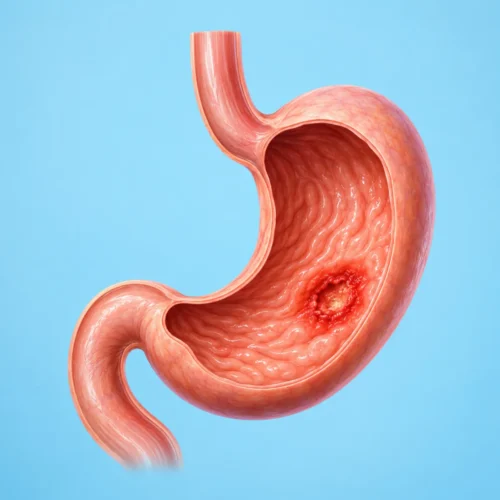
A sore on the stomach’s or duodenum’s lining (the start of the small intestine) is a peptic ulcer. Ulcers can also occur in the oesophagus, although these are a different type of ulcer.
Gastric or stomach ulcers are peptic ulcers located in the stomach and those located in the duodenum are referred to as duodenal ulcers. An individual could have gastric and duodenal ulcers simultaneously and they could occur multiple times throughout a lifetime.
The Helicobacter pylori (H. pylori) bacterium is one of the main causes of peptic ulcers. Another important cause is regular use of non-steroidal anti-inflammatory drugs (NSAIDs), such as ibuprofen and naproxen. H. pylori is a common infection that can persist for many years if it is not treated. However, most people with H. pylori do not develop ulcers. Stomach ulcers can occur at any age but are more common in older adults.
Both duodenal and stomach ulcers can cause similar abdominal discomfort symptoms, such as:
- A pain that is dull or burning.
- Pain that usually takes place between meals or at night time.
- Discomfort that could be temporarily eased by consuming food or by using antacids.
- Pain that persists for durations of a few minutes to hours and shows up intermittently for many days or weeks.
Additional possible symptoms might include:
- Losing weight without trying.
- Inadequate appetite.
- Bloated tummy and burping.
- Queasiness and throwing up.
Some stomach ulcers cause few symptoms or none at all. These symptoms can also have other causes, so it is important to seek medical advice if they persist.
H. pylori infection can usually be treated successfully with appropriate medication. If you have the above symptoms, speak to your GP about whether testing or further investigation is needed. A home antibody test, such as the Zoom Health Stomach Ulcer Test, can indicate exposure to H. pylori but cannot confirm an active infection or diagnose an ulcer.
A stomach ulcer, also known as a peptic ulcer, is a sore that develops on the lining of the stomach or the duodenum (the beginning of the small intestine). It is frequently associated with infection by the Helicobacter pylori (H. pylori) bacterium. Infection rates vary between populations, and an untreated infection may persist for many years.
A dull or searing ache in the belly, usually felt between meals or at night, is one of the signs of stomach ulcers. Eating or taking antacids can briefly ease this ache. Over the course of several days or weeks, the pain may come and go and last anywhere from a few minutes to several hours. Weight loss, a lack of appetite, bloating, burping, nausea, and vomiting are additional potential symptoms.
It is important to consult a doctor if you experience persistent symptoms. A breath test or stool antigen test can help establish whether an active H. pylori infection is present. Treatment can help relieve symptoms, heal ulcers and reduce the risk of recurrence.
Seek urgent medical help if you vomit blood, pass black, tar-like stools or develop sudden, severe abdominal pain. These can be signs of bleeding or another serious ulcer complication.
Diagnosis and Treatment
If you suspect you have a stomach ulcer, your doctor may recommend tests such as an upper endoscopy (gastroscopy), a breath test or a stool antigen test to check for H. pylori infection. Treatment typically involves antibiotics to eliminate the bacteria when H. pylori is present, together with medications like proton pump inhibitors (PPIs) to reduce stomach acid production and promote healing. If NSAIDs have contributed to the ulcer, your doctor may recommend changing or stopping them where appropriate. Do not stop prescribed medication without medical advice.
Taking a Stomach Ulcer Test
Identify antibodies to Helicobacter pylori (one of the bacteria associated with stomach ulcers) with the Zoom Health Stomach Ulcer Test.
H. pylori can survive in the acidic environment of the stomach. Infection may persist without symptoms, although some people develop gastritis or peptic ulcers.
Important: This home blood test detects antibodies to H. pylori. Antibodies may remain detectable after an infection has cleared, so a positive result does not necessarily indicate a current infection. The test does not diagnose a stomach ulcer.
Features
- An easy test with step-by-step directions.
- Limiting food or drink is not generally required before this antibody test.
- Carry out the test at home, with no laboratory processing required to read the result.
- Just a drop of blood is needed, with results available in approximately 10 minutes.
- Do the test at any time throughout the day.
- An instruction brochure includes information about H. pylori infection.
Do I really need to test for Helicobacter pylori?
- H. pylori is common worldwide, although infection rates vary considerably between countries and populations. This does not mean that everyone has a 50-50 chance of being infected.
- If the infection is not treated, it can cause gastritis (stomach lining inflammation) and increase the risk of stomach ulcers. Long-term infection is also associated with an increased risk of certain types of stomach cancer. Most infected people do not develop these complications.
If I’m positive for Helicobacter pylori infection, what should I do next?
- See your doctor to get a more in-depth examination and diagnosis as well as proper treatment where necessary.
- Only make a medical decision after consulting with your doctor. A positive antibody test may reflect a past infection, so your GP may recommend a breath test or stool antigen test to confirm whether infection is currently active.
- Even if the test is negative for Helicobacter pylori, your stomach ulcer might be caused by something else.
My results were negative, but my digestive problems persist, what should I do?
Speak to your GP if your digestive problems persist. A negative home antibody test does not rule out a stomach ulcer or another digestive condition. A pharmacist may advise on short-term symptom relief, but persistent symptoms should be medically assessed.
Pack includes: The original product information lists 1 test cassette, 1 buffer solution, 1 safety lancet and user instructions. Check the current product packaging for the exact contents and directions.
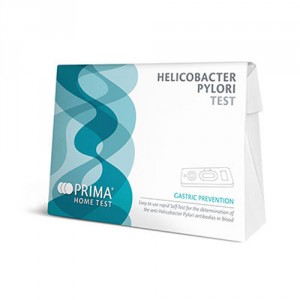
Featured Product: Stomach Ulcer Test
The Zoom Health Stomach Ulcer Test is a home blood test for antibodies associated with H. pylori infection. It can provide an indication of previous exposure but cannot confirm an active infection or replace medical assessment.
Lifestyle Changes
In addition to medical treatment, lifestyle modifications can help manage symptoms and support healing of stomach ulcers. These include:
- Avoiding smoking and excessive alcohol consumption.
- Managing stress through relaxation techniques.
- Eating a balanced diet rich in fruits, vegetables, and whole grains.
- Limiting spicy, fatty, or acidic foods if they make your symptoms worse.
Stress and spicy foods do not usually cause stomach ulcers directly, although they may aggravate symptoms. Lifestyle changes do not replace treatment for H. pylori infection or other underlying causes.
About the Author
Anthony Cunningham, BA (Hons), MA, is a UK-based health writer and editor with over 20 years’ experience running Zoom Health, a trusted source for home health tests, preventive care, and wellness guidance. He creates clear, evidence-based articles using NHS, NICE, and WHO guidance. Where possible, content is reviewed by practising clinicians to enhance accuracy and reliability, helping readers make informed healthcare decisions.
Medical Disclaimer
This article is for general information only and is not a substitute for professional medical advice, diagnosis or treatment. If you have concerns about your health or symptoms, speak to your GP or another qualified healthcare professional. In an emergency, seek urgent medical help.