About This Article
Zoom Health has over 20 years’ experience providing home health tests, preventive care and wellness guidance. This article explains some of the common long-term complications associated with diabetes, including nerve, eye, kidney, cardiovascular and foot problems.
Published: 28 December 2022 | Last Updated: 4 September 2026 | By: Anthony Cunningham
Diabetes is a major health concern around the world, affecting millions of people. It is a complex disease, and while it can be managed, complications can still arise. Understanding the most common complications associated with diabetes is important in order to be informed and vigilant in order to seek treatment and take preventive measures.
One common complication associated with diabetes is diabetic neuropathy. This is a type of nerve damage caused by diabetes and it can lead to tingling, burning, and pain in the feet, hands, and other areas. Neuropathy can also cause nerve damage in other areas of the body, such as the digestive system and the heart.
Another common complication associated with diabetes is diabetic retinopathy. This is a condition in which the blood vessels in the retina become damaged due to high blood glucose levels. This can lead to vision loss and even blindness if left untreated.
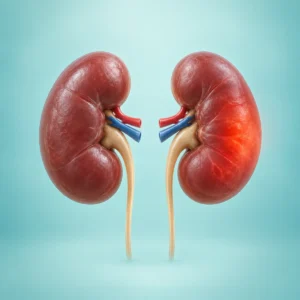
Diabetic nephropathy is another common complication associated with diabetes. This is a type of kidney disease that can lead to kidney failure. People with diabetes are more likely to develop this condition than those without.
Other complications associated with diabetes include cardiovascular disease, foot problems, and skin problems. Diabetes increases the risk of cardiovascular disease, including heart attack and stroke. Foot problems can include nerve damage, infections, and poor circulation. Skin problems can include an increased risk of some infections and other skin conditions.

Home Diabetes Test Kit
If you are concerned about diabetes, the Home Diabetes Test Kit provides a convenient way to test at home. If you have symptoms or concerns about diabetes, speak to your GP or another qualified healthcare professional regardless of the result of a home test.
It is important to understand the potential complications associated with diabetes in order to take preventive action and seek treatment early. Diabetes can be managed with lifestyle changes and medications, but complications can still arise. Knowing these risks is important in order to reduce the chance of developing any of these serious complications.
About the Author
Anthony Cunningham, BA (Hons), MA, is a UK-based health writer and editor with over 20 years’ experience running Zoom Health, a trusted source for home health tests, preventive care, and wellness guidance. He creates clear, evidence-based articles using NHS, NICE, and WHO guidance. Where possible, content is reviewed by practising clinicians to enhance accuracy and reliability, helping readers make informed healthcare decisions.
Medical Disclaimer
This article is for general information only and is not a substitute for professional medical advice, diagnosis or treatment. If you have concerns about your health or symptoms, speak to your GP or another qualified healthcare professional. In an emergency, seek urgent medical help.