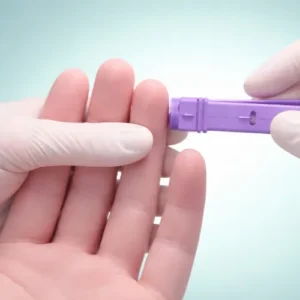
About This Article: Zoom Health has supplied home health tests to UK customers for nearly 20 years. This guide draws on our experience helping thousands of people monitor their diabetes and understand diabetic retinopathy. Always consult a healthcare professional for medical advice.
Symptoms and Causes of Diabetic Retinopathy
Diabetic retinopathy is a serious eye condition that can develop silently, often without noticeable symptoms in its early stages. Understanding the causes, recognising the symptoms, and taking proactive steps can help protect your vision and prevent permanent damage. In this guide, we’ll explain what diabetic retinopathy is, why it develops, what warning signs to watch for, and how regular monitoring plays a crucial role in early detection.
Contents
- What Is Diabetic Retinopathy?
- Causes: How High Blood Sugar Damages Your Eyes
- Risk Factors That Increase Your Likelihood
- Early Symptoms: What to Watch For
- Advanced Symptoms: When Vision Loss Occurs
- Prevention and Management Strategies
- The Role of Regular Screening and Testing
- When to Seek Help from an Eye Professional
What Is Diabetic Retinopathy?
Diabetic retinopathy is an eye condition that occurs when high blood sugar levels damage the tiny blood vessels in the retina—the light-sensitive tissue at the back of your eye. These damaged blood vessels can leak fluid, swell, or become blocked entirely. Over time, this damage affects your ability to see clearly and, in severe cases, can lead to vision loss or blindness.
The condition develops gradually and may not cause noticeable symptoms in early stages, which is why it’s sometimes called a “silent” complication of diabetes. Both people with Type 1 and Type 2 diabetes are at risk, though the degree of risk varies depending on how well their blood sugar is controlled.
According to NHS guidance on diabetic retinopathy, it remains one of the leading causes of preventable blindness among working-age adults in developed countries. The good news is that early detection and careful management of your diabetes can significantly reduce the risk of serious vision problems.
Causes: How High Blood Sugar Damages Your Eyes
The primary cause of diabetic retinopathy is sustained high blood sugar levels. Here’s how the damage occurs:
How Blood Sugar Harms Retinal Blood Vessels
- Vessel weakening: Prolonged high blood sugar weakens the walls of capillaries in the retina, making them fragile and prone to rupture.
- Fluid leakage: Damaged vessels leak blood and fluid into the retina, causing swelling (oedema) that blurs vision.
- Blockages: Some vessels become completely blocked, cutting off blood flow to parts of the retina, which can cause oxygen deprivation.
- Abnormal growth: In advanced stages, new, abnormal blood vessels develop as the eye tries to compensate. These vessels are fragile and prone to bleeding.
The longer blood sugar remains uncontrolled, the greater the cumulative damage to these tiny blood vessels. This is why maintaining stable blood sugar levels is crucial for protecting your vision.
Risk Factors That Increase Your Likelihood
While high blood sugar is the main culprit, several other factors significantly increase your risk of developing diabetic retinopathy:
Key Risk Factors
- Duration of diabetes: Risk increases significantly after 5 years of diabetes and continues to rise the longer you have the condition.
- High blood pressure: Uncontrolled hypertension damages blood vessels throughout the body, including those in the eye. It also worsens existing retinopathy.
- High cholesterol: Elevated cholesterol contributes to vessel damage and inflammation in the retina.
- Smoking: Smoking restricts blood flow and accelerates vessel damage.
- Pregnancy: Pregnancy can accelerate the onset or worsen existing retinopathy, especially if blood sugar control is poor.
- Kidney disease: Diabetes that affects the kidneys often affects the eyes as well.
- Type of diabetes: People with Type 1 diabetes are at higher risk overall, though Type 2 diabetes is more common, so more people are affected.
Understanding these risk factors helps you identify which areas of your health need the most attention. If you have multiple risk factors, discussing a comprehensive management plan with your healthcare team becomes even more important.
Early Symptoms: What to Watch For
In its early stages, diabetic retinopathy often has no symptoms—this is what makes it particularly dangerous. Many people don’t realise they have it until significant damage has already occurred. However, some early warning signs may include:
Early Warning Signs
- Slight blurriness in central vision (may come and go)
- Difficulty reading or seeing fine details
- Floaters—small specks or “cobwebs” drifting across your field of vision
- Occasional spots or shadows in your vision
- Mild eye discomfort or fatigue
These symptoms are often subtle and easily dismissed. Many people assume their vision changes are simply part of ageing or general tiredness. This is precisely why regular eye check-ups are essential—an optician or ophthalmologist can detect early signs before symptoms become noticeable to you.
Advanced Symptoms: When Vision Loss Occurs
As diabetic retinopathy progresses, symptoms become more pronounced and serious. Advanced-stage retinopathy requires urgent medical attention:
Severe Symptoms Requiring Immediate Attention
- Sudden increase in floaters or dark spots
- Shadow or dark area in your peripheral vision
- Significant blurriness or loss of vision
- Distorted or wavy vision
- Sudden loss of vision in one eye or part of your visual field
- Red or dark appearance to your vision (indicating bleeding in the eye)
If you experience any of these symptoms, seek medical attention immediately. Bleeding in the eye or sudden vision loss requires urgent treatment to prevent permanent damage.
What Customers Say
★★★★★ Sheila L. – May 2023
“Easy to use, thankfully my results were negative but it saved a trip to see a doctor.”
★★★★★ Lorraine H. – June 2025
“The diabetes test kit was simple to do and fast, it also put my mind at ease. A good all rounder.”
★★★★★ Mark W. – October 2022
“Found out I am quite badly dehydrated and the wife is moderately dehydrated. No sign of diabetes. One tip: prep beforehand. Results must be read after 60 seconds—after 2 minutes it’s invalid.”
Prevention and Management Strategies
The most effective way to prevent diabetic retinopathy is to keep your diabetes well-controlled. Here are the key strategies:
Control Your Blood Sugar
Maintaining target blood sugar levels is your first line of defence. Work with your healthcare team to establish realistic HbA1c targets (usually below 7% for most people with diabetes). Understanding your personal blood sugar patterns through regular monitoring helps you make better dietary and lifestyle choices.
Manage Blood Pressure
High blood pressure compounds retinal damage. Keep your blood pressure below 130/80 mmHg through regular monitoring, medication (if prescribed), and lifestyle changes such as reducing salt intake and regular exercise.
Adopt Healthy Lifestyle Habits
Regular physical activity like brisk walking improves blood sugar control and supports cardiovascular health. Aim for at least 150 minutes of moderate activity per week. Avoid smoking entirely, as it accelerates vessel damage. Maintain a balanced diet low in refined carbohydrates and sugary foods.
Control Cholesterol
High cholesterol contributes to blood vessel damage. Work with your doctor to maintain healthy cholesterol levels through diet, exercise, and medication if needed.
Take Medications as Prescribed
If your doctor has prescribed diabetes medications, blood pressure medication, or other treatments, take them consistently. Medication adherence is crucial for preventing complications.
The Role of Regular Screening and Testing
Because diabetic retinopathy often develops silently, regular screening through professional eye exams is the most reliable way to detect it early. According to NICE guidance on diabetes management, all people with diabetes should have regular eye screening.
Recommended Screening Schedule
- Type 1 diabetes: Begin screening after diagnosis (once blood sugar is stable) and every 1–2 years, more frequently if problems are found.
- Type 2 diabetes: Begin screening at diagnosis and every 1–2 years, more frequently if problems are found.
- Pregnancy with diabetes: More frequent screening (every 3 months) is recommended.
During a screening, an optician or ophthalmologist examines your retina for signs of damage. Early detection allows for earlier intervention, which significantly improves outcomes. In the UK, many people with diabetes are invited to attend diabetic retinopathy screening programmes through the NHS Diabetic Eye Screening Service, which is free.
Alongside eye screening, regular blood sugar monitoring at home allows you to track your glucose levels and identify patterns. This information is valuable for your healthcare team and helps you maintain better control between clinical appointments.
When to Seek Help from an Eye Professional
Beyond regular screening appointments, you should contact your eye care professional or GP if you experience any of the following:
- Sudden changes in vision (blurriness, floaters, shadows)
- Eye pain or pressure
- Loss of peripheral (side) vision
- Red or dark appearance to your vision
- Difficulty reading or seeing details
- Any symptom that worries you
Early treatment can prevent or slow progression significantly. Modern treatments include laser therapy, injections of medication into the eye, and vitrectomy (a surgical procedure). The effectiveness of these treatments depends largely on how early the condition is detected.
Taking Control of Your Vision
Diabetic retinopathy is a serious complication of diabetes, but it’s also largely preventable through good blood sugar control, regular monitoring, and proactive management. By understanding the causes and symptoms, you’re already taking an important first step. Combine this knowledge with regular eye screening, consistent diabetes management, and healthy lifestyle choices, and you significantly reduce your risk of vision-threatening complications.
Your vision is precious. Taking action today to protect it ensures you can enjoy the activities you love for years to come.
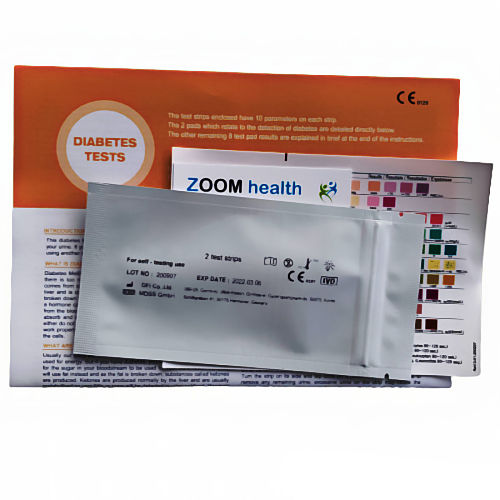
Monitor Your Diabetes with Confidence Our Home Diabetes Test Kit offers quick, easy results at home—giving you the data you need to manage your blood sugar effectively and catch potential complications early.
About the Author
Anthony Cunningham – Health Writer & Editor
Anthony Cunningham, BA (Hons), MA, is a UK-based health writer and editor with over 20 years’ experience running Zoom Health, a trusted source for home health tests, preventive care, and wellness guidance. He creates clear, evidence-based articles using NHS, NICE, and WHO guidance. Where possible, content is reviewed by practising clinicians to enhance accuracy and reliability, helping readers make informed healthcare decisions.
Originally published: 2022 | Last updated: November 14, 2025