About This Article
Zoom Health has supplied home health products and tests to UK customers for over 20 years. This article explains how stress can affect blood pressure and outlines practical ways to manage stress while supporting your overall heart health.
Published: 30 December 2023 | Last Updated: 28 August 2026 | By: Anthony Cunningham
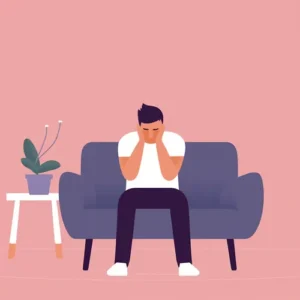
Stress is an inevitable part of life. But chronic stress can negatively impact your health, including raising your risk of high blood pressure (hypertension). Learning stress management strategies is key to controlling blood pressure. This article explores the link between stress and hypertension and provides actionable tips to minimise stress.
Contents
- How Stress Affects Blood Pressure
- How Stress Impacts Physical Health
- Healthy Ways to Cope with Stress
- Changing How You React to Stress
- Lifestyle Changes to Reduce Stress
- Warning Signs of Excessive Stress
- Take Charge of Stress for Heart Health
How Stress Affects Blood Pressure
When we encounter a stressful situation, our bodies activate the “fight or flight” response. This releases hormones like adrenaline and cortisol to prepare us to confront or escape the threat.
As part of this reaction, stress hormones such as adrenaline increase heart rate and temporarily raise blood pressure. Once the stressful situation passes, blood pressure will usually return towards its normal level.
The relationship between chronic stress and long-term high blood pressure is more complicated. Research suggests there is a link, while stress can also encourage behaviours such as smoking, drinking too much alcohol, eating less healthily and being less physically active, all of which can increase the risk of hypertension.
While more research is still needed, studies suggest chronic stress is linked to hypertension risk. So learning to manage stress effectively is important for supporting overall heart health.
How Stress Impacts Physical Health
Long-term stress can also be associated with a range of physical symptoms and health problems, including:
- Changes in immune function that may affect how the body responds to illness
- Digestive issues such as heartburn, diarrhoea and stomach pain
- Headaches, back pain and muscle tension
- Poor sleep, fatigue and low energy
- Behaviours and health changes associated with an increased risk of cardiovascular disease, diabetes and obesity
Finding healthy coping mechanisms before stress begins to have a significant impact on your physical and mental wellbeing is important.
Healthy Ways to Cope with Stress
When you feel stressed, avoid unhealthy coping mechanisms like overeating, smoking, or drinking alcohol. Instead, try these healthy stress management techniques:
Exercise regularly – Physical activity can help relieve tension and support both mental and cardiovascular health. Aim for at least 150 minutes of moderate-intensity activity each week, if appropriate for your health and fitness.
Practise relaxation techniques – Deep breathing, yoga, meditation and mindfulness can help you relax and manage feelings of stress.
Make time for hobbies – Enjoying hobbies helps keep life balanced and provides pleasant distractions from stressors.
Connect with others – Social support is valuable for managing stress. Spend time nurturing close relationships.
Get organised – Use time management tools like to-do lists and calendars to avoid feeling overwhelmed.
Seek counselling – Talking therapies can provide tools to help you cope better with stressful situations.
Practise gratitude – Taking time to focus on positive aspects of your life may help shift attention away from sources of stress. Some people find keeping a gratitude journal helpful.
Changing How You React to Stress
While we can’t always control stressful events, we can change how we respond mentally and emotionally. Here are some tips:
Accept what you can’t control – Instead of frustration, practise acceptance of situations outside your control.
Reframe problems positively – Look for potential upsides and silver linings in difficult circumstances.
Be assertive if needed – Speak up respectfully to address issues causing you chronic stress.
Manage expectations – Set realistic standards for yourself and don’t take on too much.
Take time to relax – Make relaxation a priority, not a luxury. Even brief breaks can help.
Focus on solutions – Dwelling on problems can fuel stress. Shift your attention towards issues within your control and practical steps you can take.
Lifestyle Changes to Reduce Stress
In addition to mental outlook, these lifestyle modifications can minimise daily stress:
- Set a consistent morning and evening routine
- Declutter your home and workspace
- Allow extra time to avoid rushing
- Listen to soothing music
- Spend time in nature
- Turn off news and limit social media if they are contributing to stress
- Set healthy boundaries with others
- Get adequate sleep each night
While we can’t banish stress completely, we can limit its impact through intentional lifestyle choices and stress management techniques.
Warning Signs of Excessive Stress
Pay attention to any signs your stress may be unhealthy or excessive:
- Constant anxiety, irritability or sadness
- Frequent headaches, stomach aches or exhaustion
- Changes in your usual blood pressure readings
- Changes in appetite or sleep habits
- Poor concentration and focus
- Withdrawing from others
Chronic stress can take a toll both mentally and physically. Seek professional help if stress is unmanageable or overwhelming. Talk to your GP about safe ways to get stress under control.

Featured Product: OMRON M2 Basic Blood Pressure Monitor
If you have been advised to monitor your blood pressure at home, the OMRON M2 Basic Digital Automatic Blood Pressure Monitor is a clinically validated, fully automatic upper arm monitor designed for straightforward blood pressure and pulse readings at home.
Take Charge of Stress for Heart Health
Though some stress will always be part of life, how we respond makes a difference. Managing stress can support your overall heart health and may help reduce temporary stress-related rises in blood pressure. Monitor your stress levels and make lifestyle changes to keep stress at bay.
About the Author
Anthony Cunningham – Health Writer & Editor
Anthony Cunningham, BA (Hons), MA, is a UK-based health writer and editor with over 20 years’ experience running Zoom Health, a trusted source for home health tests, preventive care and wellness guidance. He creates clear, evidence-based articles using NHS, NICE and WHO guidance. Where possible, content is reviewed by practising clinicians to enhance accuracy and reliability, helping readers make informed healthcare decisions.