About This Article
Zoom Health has supplied home health tests to UK customers for nearly 20 years. This guide draws on our experience helping thousands of people understand gastritis and related digestive health conditions. Always consult a healthcare professional for medical advice.
Published: 19 February 2024 | Last Updated: 16 January 2026 | By: Anthony Cunningham
Contents
What is Gastritis?
Gastritis is a broad term for inflammation or irritation of the lining of the stomach. It can come on suddenly (known as “acute gastritis”) or gradually (known as “chronic gastritis”). The term ‘acute’ means that the attacks are short, not necessarily that the symptoms are severe. The term ‘chronic’ means the infection has developed slowly, and there may be few symptoms.
According to NHS guidance, gastritis is common and often improves quickly with treatment. However, left untreated, it can lead to more serious complications.
What Causes Gastritis?
Gastritis is often triggered by a viral infection, excessive alcohol consumption, a poor diet, smoking or vaping, or taking drugs, such as aspirin and anti-inflammatory drugs, over an extended period. However, nearly always, the main cause of gastritis is the presence of a bacterium called Helicobacter pylori (H. pylori), which is the same bug that causes peptic ulcers.
Common Triggers
Alcohol: Drinking a lot of alcohol irritates and inflames the stomach lining, causing acute gastritis. Excessive consumption over time can also lead to chronic gastritis.
Diet: Eating lots of fatty, spicy, or highly acidic foods can irritate your stomach lining. These foods are difficult for your stomach to handle easily and can aggravate the protective stomach lining.
Smoking: Smoking cigarettes has been linked to a higher risk of both acute and chronic gastritis. The chemicals in cigarette smoke damage the protective stomach lining and can interfere with healing.
Medicines: Some medicines like aspirin, ibuprofen, and naproxen (known as non-steroidal anti-inflammatory drugs or NSAIDs) can irritate and inflame your stomach lining, leading to gastritis. Taking these for extended periods increases the risk of chronic gastritis.
H. pylori Infection: The most common cause of chronic gastritis is an infection from the bacteria called H. pylori. This bacterium colonises the stomach lining and triggers inflammation. NICE guidelines recommend testing for H. pylori in people with persistent digestive symptoms. You can test yourself with an H. pylori test kit at home if you are worried about having it.
How Likely is it to Have Gastritis?
Gastritis occurs most often among the elderly, but it can affect anyone at any age. Risk increases with long-term use of NSAIDs, heavy alcohol consumption, and H. pylori infection, which is particularly common in the UK.
Symptoms Associated with Gastritis
A wide selection of stomach ailment symptoms may suggest that you have gastritis. Your symptoms will be a result of the type of gastritis you are suffering from. For example, people with chronic gastritis may have no severe symptoms but experience nausea or a slight loss of appetite. The most common symptoms of gastritis include:
- Bad taste in the mouth
- Diarrhoea
- Indigestion
- Loss of appetite
- Nausea
- Upper abdominal discomfort or pain
- Vomiting
Some people may also experience bloating, feeling full quickly when eating, or a gnawing sensation in the stomach between meals or at night.
How is Gastritis Diagnosed?
Your doctor may decide that you have gastritis based on your symptoms. This initial diagnosis is generally based on the patient’s reported symptoms and the doctor’s experience in treating such cases. However, if the doctor is unsure about the problem or requires more definitive confirmation, a visual examination of the stomach through an endoscope may be required.
Endoscopy
An endoscopy is a minimally invasive procedure that allows the doctor to directly look at the stomach lining. An endoscope is a thin, flexible telescope with a light and camera at the end, passed into the stomach via the mouth. This device sends real-time images of the stomach’s interior to a monitor, enabling the doctor to assess the condition of the stomach lining.
During the endoscopy, your doctor may take a small tissue sample (biopsy) from the stomach lining. This sample can be examined under a microscope to check for inflammation, H. pylori infection, or other abnormalities. The procedure is typically performed under local anaesthetic or light sedation and takes around 15-20 minutes.
H. pylori Testing
Your doctor may also order tests to detect the presence of H. pylori. Blood tests can detect antibodies produced by the body in response to the H. pylori infection. However, stool antigen tests and breath tests are now considered more accurate for confirming active infection.
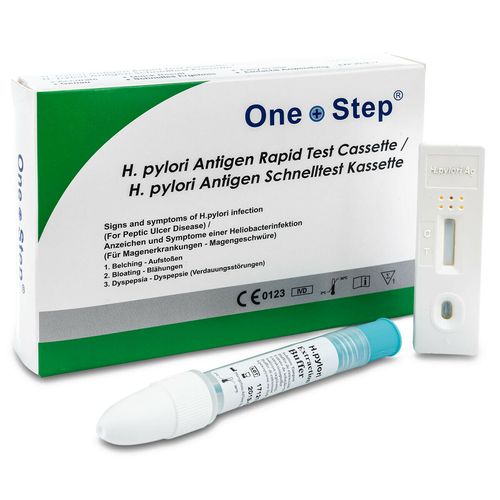
Home testing kits are available that check for H. pylori antigens in stool samples. These can provide a convenient first step before consulting your GP, helping you understand whether H. pylori might be contributing to your symptoms.
What Customers Say
★★★★★ Sue — January 2016
“Very easy to use with fast results. Highly recommended for anyone worried about H. pylori — saved me a trip to the doctor for initial screening.”
★★★★★ Laura — October 2022
“This test was so easy to perform and with the positive result now we can follow up for treatment. Thank you!”
★★★★★ John — November 2020
“Very good, clear result. Would buy again when necessary.”
Take Action: If you’re experiencing persistent stomach symptoms and suspect H. pylori might be the cause, a home test can provide clarity before your GP appointment. It’s a simple, affordable way to understand what’s happening.
How is Gastritis Treated?
The treatment for gastritis depends on the cause of the inflammation. Looking after yourself at home is often the easiest and most effective treatment for mild gastritis. Antacid products such as Rennies or milk of magnesia, which you can pick up from any chemist or large supermarket, may help with the symptoms of gastritis. Ask your local pharmacy for advice.
If your gastritis is caused by H. pylori, you may be given antibiotics to eliminate the bacteria. This treatment typically involves a combination of two different antibiotics plus a proton pump inhibitor (PPI) to reduce stomach acid. This is known as “triple therapy” and usually lasts for 7-14 days.
As soon as you experience symptoms of gastritis, you should avoid solid foods temporarily and drink plenty of water, milk, and other non-fizzy liquids to prevent dehydration. The NHS recommends eating smaller, more frequent meals and avoiding foods that trigger your symptoms.
What Can I Do to Prevent Further Attacks?
If you have gastritis, you should stick to a healthy diet, stop smoking, and cut down on alcohol and caffeine. You should also steer clear of anything that can be hard to digest, including hot or spicy foods. If possible, you should also avoid any drugs that irritate your stomach.
Dietary Recommendations
Foods to Avoid
- Spicy foods and hot peppers
- Fried and fatty foods
- Acidic foods (citrus fruits, tomatoes)
- Carbonated drinks
- Coffee and caffeinated beverages
- Alcohol
Foods That May Help
- High-fibre foods (oats, whole grains)
- Lean proteins (chicken, fish)
- Low-acid fruits (bananas, melons)
- Vegetables (broccoli, leafy greens)
- Probiotics (yoghurt, kefir)
- Ginger and chamomile tea
Supplements of zinc and vitamin A may help to heal the stomach lining. However, you should speak to your doctor before taking any supplements.
Potential Complications
If left untreated, chronic gastritis can lead to more serious complications:
- Peptic ulcers: Deep sores in the stomach lining that can bleed
- Stomach polyps: Small growths on the stomach lining (usually benign)
- Anaemia: From bleeding ulcers or reduced absorption of vitamin B12
- Increased cancer risk: Long-term H. pylori infection may slightly increase stomach cancer risk
Regular monitoring and treatment of H. pylori infection can significantly reduce these risks.
When to See Your Doctor
⚠️ Seek Immediate Medical Attention If:
- You are vomiting blood or material that looks like coffee grounds
- You have black, tarry stools (a sign of bleeding in the digestive tract)
- You experience severe, sudden stomach pain
- You feel faint, dizzy, or have signs of shock
You should also consult your GP if:
- Symptoms persist for more than a week despite home treatment
- You experience unexplained weight loss
- You have difficulty swallowing
- Symptoms interfere with daily activities
About the Author
Anthony Cunningham — Health Writer & Editor
Anthony Cunningham, BA (Hons), MA, is a UK-based health writer and editor with over 20 years’ experience running Zoom Health, a trusted source for home health tests, preventive care, and wellness guidance. He creates clear, evidence-based articles using NHS, NICE, and WHO guidance. Where possible, content is reviewed by practising clinicians to enhance accuracy and reliability, helping readers make informed healthcare decisions.
You May Also Like
Explore more articles on digestive health and home testing: