About This Article
Zoom Health has supplied home health tests to UK customers for nearly 20 years. This guide draws on our experience helping thousands of people understand their blood type and make informed healthcare decisions. Always consult a healthcare professional for medical advice.
Published: January 1, 2022 | Last Updated: January 2026 | By: Anthony Cunningham
Quick Navigation
What is A Positive Blood?
Your blood type is determined by genes inherited from both parents. It describes the presence of specific proteins—called antigens—on the surface of your red blood cells. These antigens determine not only your blood type but also how your immune system responds to transfusions and pregnancy.
A positive (A+) is the second most common blood type in the UK, found in approximately 30% of the population. It’s more prevalent in Northern Europe, where some countries report rates as high as 42% (Norway). For comparison, O positive is the most common at 36%, followed by B positive and AB positive.
Understanding your blood type is not just trivia—it’s vital health information. In medical emergencies, transfusions can be life-saving, and if you’re pregnant or planning to become pregnant, your blood type determines specific prenatal care protocols.
How You Inherit A Positive Blood
Blood type inheritance follows simple genetic rules. You inherit one blood type gene from each parent, which determines whether you have A, B, AB, or O blood. A positive blood specifically means you have either the AA or AO gene combination, plus the RhD (Rh positive) factor.
The “positive” part refers to the Rh factor—a protein on red blood cells that either is present (positive) or absent (negative). If both parents carry the RhD factor, you will inherit a positive blood type. Interestingly, this means two A negative parents cannot have an A positive child.
💡 Key Point on Genetics
Your ABO blood type (A, B, AB, or O) and your Rh factor (positive or negative) are inherited independently. This means your parents’ blood types may not match yours exactly, even though they determine it genetically.
A Positive Transfusion & Compatibility
If you need a blood transfusion, compatibility is critical. Receiving incompatible blood can trigger a dangerous immune reaction. A positive blood has specific rules about who can give and receive.
A Positive Blood Can Receive From:
- A positive (A+)
- A negative (A-)
- O positive (O+)
- O negative (O-) – the universal donor
A Positive Blood Can Donate To:
- A positive (A+)
- AB positive (AB+) – the universal recipient
A positive blood cannot safely be given to O positive, B positive, B negative, AB negative, or O negative recipients. In emergency situations when your blood type is unknown, O negative (universal donor) blood is given instead.
Pregnancy & Rh Incompatibility
If you are a woman with A positive blood, pregnancy requires specific monitoring if your baby’s father has a negative blood type (A-, B-, O-, or AB-). This situation can cause Rh incompatibility, also called haemolytic disease of the newborn.
Here’s what happens: If your baby inherits the RhD negative factor from their father and you have A positive blood, your immune system may not recognise your baby’s red blood cells as “yours.” During labour or delivery, if your baby’s blood mixes with yours, your body can develop antibodies against the RhD factor. This rarely affects your first pregnancy but may cause problems in subsequent pregnancies.
To prevent this, pregnant women with positive blood and partners with negative blood routinely receive anti-D injections (also called anti-D prophylaxis). The NHS provides detailed guidance on haemolytic disease of the newborn, including screening protocols and treatment options.
⚠️ Important for Pregnant Women
If you have A positive blood and your partner has negative blood, inform your midwife or GP immediately. They’ll arrange anti-D injections at 28 weeks and after delivery if needed. This simple preventive step protects future pregnancies from haemolytic disease.
A Positive Blood & Health Risks
Research suggests that blood type can influence susceptibility to certain health conditions, though genetics is only one factor. People with A positive blood have a statistically higher risk of some conditions compared to other blood types.
Conditions Associated with A Positive Blood
- Cardiovascular disease: A positive individuals show slightly elevated risk of heart disease and stroke compared to O blood types
- Blood clots (thromboembolism): A positive blood has higher levels of certain clotting factors, increasing thrombosis risk
- Certain cancers: Some studies link A blood type to elevated pancreatic and gastric cancer risk, though the connection is modest
- Cognitive impairment: Some research suggests possible associations, though evidence remains limited
It’s important to note that having A positive blood does not mean you will develop these conditions. Blood type is only one of many risk factors. Lifestyle, diet, exercise, family history, and stress play equally important roles. If you have a family history of heart disease or stroke, discuss preventive strategies with your GP regardless of blood type.
Blood Donation with A Positive
If you have A positive blood, you’re a valuable donor. Hospitals constantly need A positive blood for transfusions, and your donation can help multiple patients. One donation can save up to three lives.
To donate blood in the UK, you must be aged 17–66 (or 70 if you’ve donated before), weigh at least 7.5 stone (50kg), and be in good health. The NHS Blood Donation service provides full eligibility criteria and allows you to book appointments online. Regular donation can help save lives and contributes to your community’s health security.
Ready to Give Blood? If you have A positive blood and meet the donation criteria, contact your local NHS Blood Donation centre or visit NHS Blood Donation online to book your appointment.
What Customers Say
★★★★★ Sophie – July 2015
“I decided to get one of these for every member of my family; knowing your blood group is so important. It’s foolproof, comes with everything you need, and the information could be lifesaving for you or another person.”
★★★★★ Ash L – April 2015
“This home blood test kit was really simple to use. The blood pricking tool is fairly painless to administer and makes a tiny hole. Great kit for the money and came next day.”
★★★★★ Maria – August 2016
“Quick turnaround of results (a couple of minutes). Easy to use and very clear! Pin prick doesn’t hurt at all, so well worth doing if you want to find out your blood type.”
How to Test Your Blood Type
There are several ways to find out your blood type. If it’s a medical priority, your GP can arrange a test, though they may only do so if there’s a clinical need. For convenience and privacy, a home blood type test offers a quick, reliable alternative.
At your GP surgery: Your doctor can order a blood test, typically during a routine appointment or when there’s a medical reason. Results are usually processed within a few days.
At a blood donation centre: When you donate blood, your blood type is determined and recorded on a donor card, which you keep for your records.
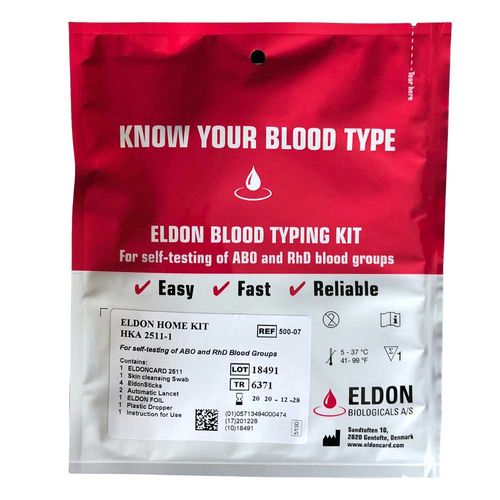
Home blood type test: A home blood typing kit is the quickest option for most people. You prick your finger with the included lancet, apply a few drops of blood to the test card, and compare the results against a colour chart. Results are ready in just a few minutes. Kits are affordable, arrive within 24 hours, and come with clear instructions and a permanent record card to keep.
Discover Your Blood Type Today A home blood group test is simple, fast, and gives you peace of mind. Get your kit delivered next day and know your blood type within minutes.
The Importance of Knowing Your Blood Type
Knowing your blood type is not just trivia—it’s vital health information. In medical emergencies, transfusions can be administered faster if your blood type is already known. If you’re pregnant or planning pregnancy, your blood type determines specific prenatal protocols. And if you’re a regular blood donor, you’re contributing directly to saving lives in your community.
Whether you have A positive, O positive, B positive, or another type, take the time today to confirm it. A simple home blood test takes five minutes and gives you a record card to keep permanently. It’s one of the easiest ways to take control of your health.
About the Author
Anthony Cunningham – Health Writer & Editor
Anthony Cunningham, BA (Hons), MA, is a UK-based health writer and editor with over 20 years’ experience running Zoom Health, a trusted source for home health tests, preventive care, and wellness guidance. He creates clear, evidence-based articles using NHS, NICE, and WHO guidance. Where possible, content is reviewed by practising clinicians to enhance accuracy and reliability, helping readers make informed healthcare decisions.
You May Also Like
Explore more articles on blood types and blood health: