
Apple cider vinegar (ACV) has grown popular for its supposed weight loss benefits and other health claims. Some believe drinking diluted ACV or taking ACV supplements before, during or after meals can aid weight loss. But is there scientific evidence to support these claims?
Weight Loss Claims
While a few studies have shown some modest weight loss effects when ACV is taken alongside a calorie-restricted diet, there is little evidence that ACV alone can lead to significant weight loss. Any weight loss reported in these studies was generally just a few pounds. The proposed mechanisms include ACV increasing feelings of fullness and reducing calorie intake at subsequent meals. However, the research remains limited.
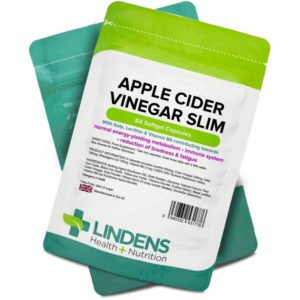
Potential Weight Loss Benefits Explained
You may be wondering exactly how apple cider vinegar could potentially help with weight loss. Let’s take a closer look. Some proponents claim that the acetic acid in ACV helps promote feeling fuller after eating. It’s theorized that this happens by slowing the rate at which food exits the stomach. Have you ever felt that “Thanksgiving stuffed” feeling for hours after a big meal? Well, ACV may provide a similar effect by delaying gastric emptying.
In theory, feeling fuller sooner and for longer could curb your appetite and calorie intake at subsequent meals and snacks. However, it’s important to note that most studies showing a impact on satiety and calorie reduction used amounts of around 2 tablespoons of ACV consumed with meals – not exactly a pleasant vinegary taste to accompany your food!
Another proposed mechanism is that the acetic acid in ACV may stimulate metabolism to a small degree. You’ve likely heard that vinegar helps “burn fat” – well, there’s a sprinkle of truth there. But we’re talking very modest increases, not anything close to a “fat-burning” miracle solution. For context, studies estimate a 1-2% increase in calorie burning over 3-4 hours after ACV consumption. Not exactly groundbreaking, but hey, every little bit counts when it comes to weight management, right?
Chances are you’re not going to see major weight loss from ACV alone. But some very modest impacts on appetite, calorie intake, and metabolic rate could potentially add up over time when combined with an overall healthy lifestyle. Think of it as a potential complementary strategy, not a magic weight loss bullet.
Potential Blood Sugar Benefits
One area where ACV may provide more pronounced benefits is with blood sugar control. Multiple studies have found improvements in post-meal blood sugar spikes and overall blood sugar regulation when ACV is consumed with meals containing carbohydrates. The acetic acid is thought to slow the absorption of sugars from the digestive tract.
This benefit could be particularly useful for those with insulin resistance, pre-diabetes, or type 2 diabetes who struggle with elevated blood sugars after eating carb-rich foods. However, it’s certainly no substitute for proven diabetes medications or general healthy eating. But some find adding a bit of ACV to their routine helps blunt blood sugar spikes from those indulgent meals.
Other Potential Benefits
ACV contains acetic acid, magnesium, probiotics, and pectin fiber. Some claim these components can provide the following benefits:
- Improved gut health and bowel regularity from probiotics
- Lower cholesterol and triglycerides
- Better blood sugar control, especially when taken with meals
- Reduced blood pressure (rat studies only)
However, human studies are lacking for many of these claimed benefits. The amount of pectin in a typical ACV dose is likely too low to significantly impact colon health.
Potential Downsides
Drinking undiluted ACV can irritate the throat and esophagus, damage tooth enamel, and potentially interact with medications like diuretics and insulin. Those with conditions like acid reflux, kidney disease, gastroparesis or other gastrointestinal issues should use caution and consult their doctor before consuming ACV regularly.
Better Ways to Consume
Rather than drinking straight ACV or taking supplements, safer ways to consume include:
- Adding ACV to salad dressings, marinades or soups
- Diluting 1 tbsp ACV in 8 oz water before drinking
While ACV likely won’t lead to dramatic weight loss alone, some evidence suggests it may provide modest benefits for cholesterol, blood sugar and weight management when used as part of an overall healthy lifestyle. As with any dietary supplement, it’s best to consult your doctor before using ACV, especially if you have any medical conditions.
Photo “Jeans” by Anthony Cunningham for Zoom Health
Zoom Health is a leading UK supplier of Home Health Tests and Earplugs