About This Article
Zoom Health has over 20 years’ experience providing home health tests, preventive care products and clear health information. This guide explains the practical steps to take after a positive pregnancy test, including starting NHS antenatal care, taking recommended supplements and looking after your health during early pregnancy.
Published: 31 October 2025 | Last Updated: 13 August 2026 | By: Anthony Cunningham
Getting a positive pregnancy test can bring a mixture of emotions. You might feel excited, surprised, worried or unsure what happens next. This guide explains the practical steps you can take after a positive result.
Contents
Take a Moment
Give yourself time to take in the result. You may feel happy, shocked, worried or a mixture of different emotions. There is no need to tell anyone immediately, so take whatever time you need to process the news.
Check Your Test Result
Make sure you have read your test correctly. Learn how to read pregnancy test results correctly. Different tests display results in different ways. Some show two lines, some show a plus sign and digital tests may display the word “Pregnant”.
If you used a digital test such as the Clearblue Digital Pregnancy Test with Weeks Indicator, the result is displayed clearly in words. The Weeks Indicator also estimates how much time has passed since conception.
Want to know more about how pregnancy tests work? Read about the history of pregnancy tests and how home testing has developed over time.
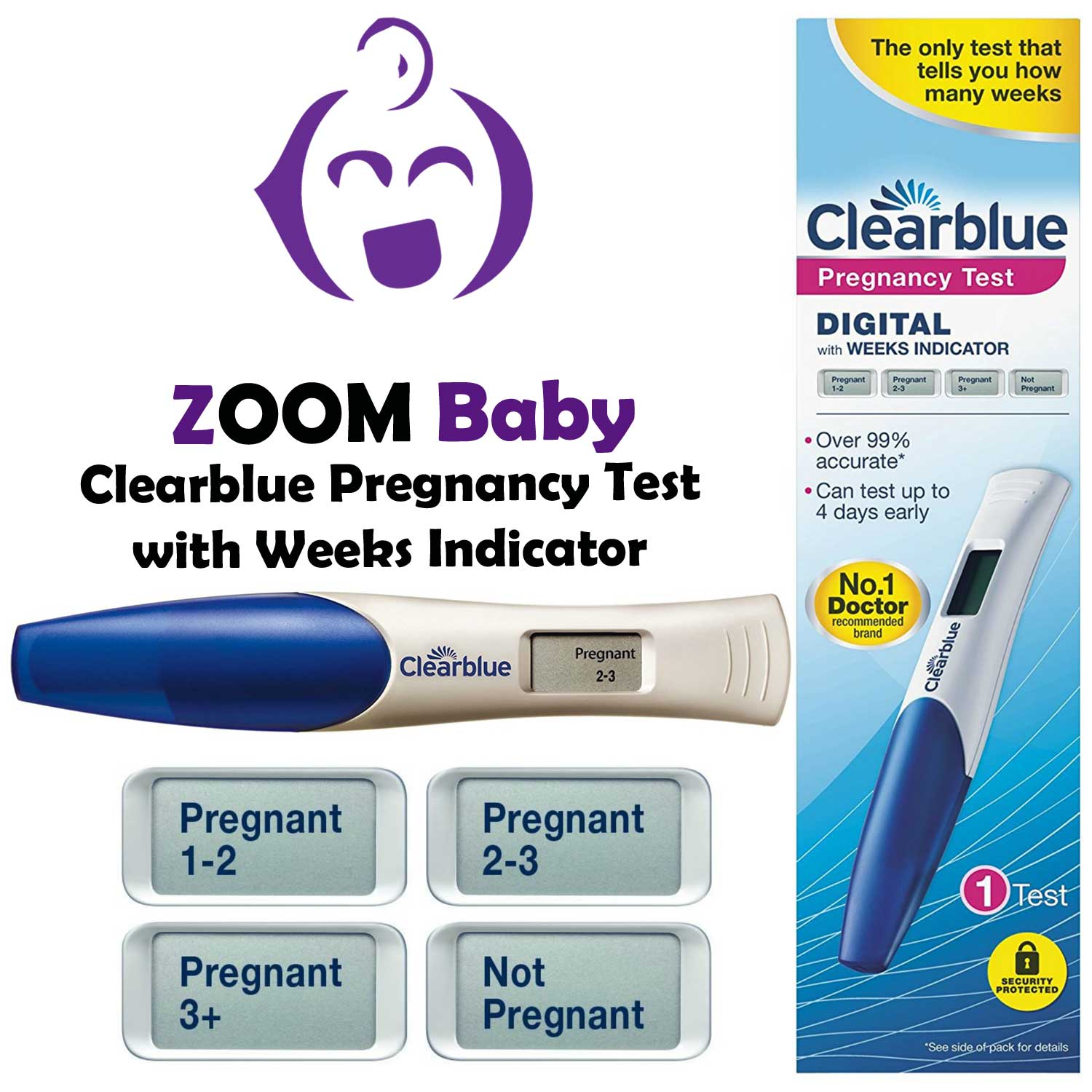
Featured Product: Clearblue Digital Pregnancy Test with Weeks Indicator
If you want to check your result with an easy-to-read digital test, the Clearblue Digital Pregnancy Test with Weeks Indicator displays the result as “Pregnant” or “Not Pregnant” and, after a positive result, estimates the time since conception.
Rule Out False Positives
False positive pregnancy test results can happen, although they are uncommon. Learn what causes false positive pregnancy tests. Fertility medicines containing hCG and certain medical circumstances can sometimes affect a result.
If you are unsure about your result, carefully check the instructions supplied with your test and consider testing again with a new test after a few days. If you continue to get unexpected or conflicting results, speak to a healthcare professional.
Start Your Antenatal Care
Once you know you are pregnant, you can refer yourself directly for NHS pregnancy care so that you can start your antenatal care with a midwife. You do not usually need to see your GP first. You can find your local service through the NHS pregnancy self-referral service.
Your first midwife appointment is often called the booking appointment. Your midwife will ask about your health and pregnancy, discuss screening and antenatal care, and arrange the appropriate tests and appointments.
If you have a long-term health condition or take regular medicines, speak to your GP, specialist or another appropriate healthcare professional as soon as possible. Do not stop prescribed medicines without medical advice.
Think About Who to Tell
You do not have to tell friends or family immediately. Some people tell those closest to them straight away, while others prefer to wait until later in the pregnancy. There is no single right time, so tell people when you feel comfortable doing so.
Start Healthy Habits
If you are not already taking folic acid, start taking 400 micrograms every day and continue until you are 12 weeks pregnant. Folic acid helps reduce the risk of neural tube defects such as spina bifida.
Some people are advised to take a higher 5 mg dose of folic acid because of their medical history or other risk factors. Your GP or midwife can tell you if this applies to you.
The NHS also recommends vitamin D during pregnancy. You can find current advice about folic acid, vitamin D and other supplements on the NHS pregnancy vitamins and supplements page.
Avoid alcohol during pregnancy and keep caffeine within recommended limits. If you smoke, support is available to help you stop. It is also worth checking any medicines, herbal remedies or supplements you take to make sure they are suitable during pregnancy.
Learn About Early Pregnancy
You might notice early pregnancy symptoms. Read about common early signs of pregnancy. These can include tiredness, tender breasts, nausea and needing to urinate more often.
Symptoms vary considerably from person to person. Having few or no obvious symptoms does not necessarily mean that anything is wrong.
Get Support
Pregnancy can bring up mixed feelings, even when it was planned. Talk to people you trust if that feels helpful. Your midwife or GP can also provide support and direct you towards appropriate services if you are feeling anxious, low or overwhelmed.
Look After Yourself
Try to eat a varied, balanced diet, stay hydrated and get enough rest. Regular physical activity is generally encouraged during an uncomplicated pregnancy, although you may need to adapt what you do as your pregnancy progresses.
It is also useful to familiarise yourself with NHS advice on foods to avoid, medicines in pregnancy and symptoms that need medical attention.
What Happens Next?
Once you have referred yourself for NHS pregnancy care, you will be offered antenatal appointments, screening tests and ultrasound scans at appropriate stages of your pregnancy. Your midwife will explain what happens and when, and you will have opportunities to ask questions about your pregnancy, birth and health.
If you experience significant pain, heavy bleeding, fainting, severe dizziness or other symptoms that concern you, seek medical advice promptly rather than waiting for your next routine appointment.
Final Thoughts
A positive pregnancy test is the beginning of a new stage, and there is no need to work everything out at once. Check that you are happy with your test result, arrange your NHS antenatal care, start or continue the recommended pregnancy supplements and give yourself time to adjust.
If anything about your result, symptoms, medicines or health worries you, speak to your midwife, GP or another appropriate healthcare professional.
About the Author
Anthony Cunningham, BA (Hons), MA, is a UK-based health writer and editor with over 20 years’ experience running Zoom Health, a trusted source for home health tests, preventive care, and wellness guidance. He creates clear, evidence-based articles using NHS, NICE, and WHO guidance. Where possible, content is reviewed by practising clinicians to enhance accuracy and reliability, helping readers make informed healthcare decisions.