About This Article
Zoom Health has provided health and wellbeing information for over 20 years. This article explores daily fluid requirements, hydration during exercise, and the differences between tap and bottled water.
Published: 2 October 2024 | Last Updated: 9 October 2026 | By: Anthony Cunningham
Contents
- Hydration Station: Why Water Matters
- The Magic Number: How Much Should You Guzzle?
- Tap vs. Bottled: The Great Water Debate
- The Green Side of Hydration
- Sweat It Out: Hydration for the Gym Rats
- Hydration Hacks: Clever Ways to Up Your Water Game
Hydration Station: Why Water Matters
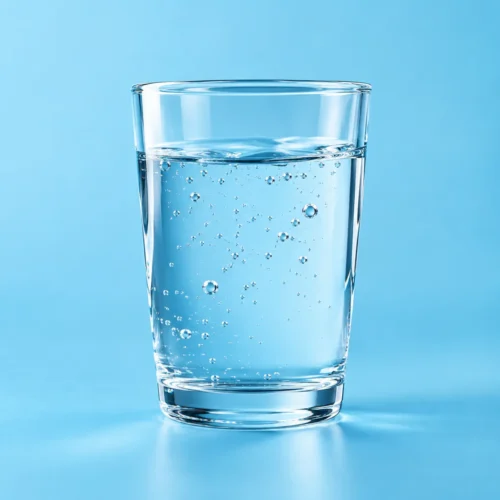
Ever felt like a wilted houseplant on a hot day? That’s your body crying out for water! H2O isn’t just a refreshing drink – it’s essential to our bodies. It helps regulate body temperature, transport nutrients and remove waste. Drinking enough also helps your body function normally.
But here’s the kicker: not sipping enough can leave you feeling like a wrung-out dishrag. Headaches, fatigue, and a general “blah” feeling can all be signs you’re not drinking enough. So, let’s dive into the world of hydration and figure out how to keep your personal water cooler topped up!
The Magic Number: How Much Should You Guzzle?
You’ve probably heard the “8 glasses a day” rule, right? Well, it’s not far off the mark. The NHS recommends around 6 to 8 glasses or cups of fluid a day for most people, although individual needs vary. Water, lower-fat milk, and sugar-free drinks, including tea and coffee, can all count towards this total. But don’t stress about counting every drop!
Here’s a nifty trick: check your pee! If it’s pale yellow, that’s generally a good sign you’re drinking enough. If it’s darker, you may need more fluid, although medicines and some foods can also affect urine colour. And remember, you’re not just getting hydration from your water bottle. Soups, fruits, and veggies contribute fluid too!
But hold your horses before you start chugging gallons! Drinking excessive amounts of water in a short time can be dangerous, as it can lower the sodium level in your blood. Aim to drink regularly and adjust your intake to your needs.
Tap vs. Bottled: The Great Water Debate
Now, here’s a plot twist that might make you rethink your hydration habits: in places with a safe, regulated drinking-water supply, tap water can be a practical alternative to bottled water.
Research discussed by BBC Science Focus has raised questions about microplastics and other substances found in some bottled water. However, findings vary between studies and cannot establish that bottled water is generally less safe than tap water.
Researchers have detected microplastics in some bottled-water samples, but the amounts reported vary widely according to the sampling and testing methods used. The potential long-term effects on human health remain uncertain. The World Health Organization has reviewed the available evidence on microplastics and the questions that still need investigating.
The Green Side of Hydration
If you needed another reason to ditch the bottle, consider this: single-use plastic water bottles contribute to plastic waste and litter around the world. Reusable bottles can help reduce the number of disposable bottles you use.
Producing, transporting and disposing of bottled water also uses resources and energy. Where local tap water is safe to drink, choosing it instead of regularly buying single-use bottles can be a cheaper option and can reduce packaging waste.
Sweat It Out: Hydration for the Gym Rats
If you’re the type who loves to break a sweat, listen up! Your water needs can increase when you’re pumping iron or pounding the pavement, particularly in hot weather. Drink before, during and after exercise according to your thirst, the conditions and how much you sweat.
For most ordinary workouts, water is enough. During prolonged or particularly intense exercise, especially in the heat, drinks containing electrolytes may sometimes be useful to replace salts lost through sweat. Sports drinks are not automatically necessary just because exercise lasts longer than an hour.
Hydration Hacks: Clever Ways to Up Your Water Game
Struggling to meet your daily water quota? Don’t sweat it! Try these crafty tricks to help you drink regularly:
- Bottle Up: Treat yourself to a reusable water bottle. It’s like having a portable reminder to sip throughout the day.
- Get Smart: Let technology lend a hand! Set phone reminders or download a water-tracking app to help you remember to drink.
- Flavour Fiesta: Plain water boring you? Jazz it up! Toss in some lemon, lime, or cucumber for extra flavour.
- Eat Your Water: Munch on water-rich foods like watermelon, cucumbers, and tomatoes. They contribute to your daily fluid intake!
- Tap Into Safety: If you’re in a country with safe drinking water, consider choosing tap water over single-use bottled water. It’s often cheaper and reduces plastic packaging waste.
Remember, hydration isn’t one-size-fits-all. Your age, activity level, health and even the weather can affect how much you need to drink. If you have a medical condition that requires you to restrict fluids, follow the advice of your healthcare team.
So there you have it, folks! The lowdown on keeping your body’s water tanks topped up. Now go forth and hydrate – your body (and the planet) will thank you!
About the Author
Anthony Cunningham, BA (Hons), MA, is a UK-based health writer and editor with over 20 years’ experience running Zoom Health, a trusted source for home health tests, preventive care, and wellness guidance. He creates clear, evidence-based articles using NHS, NICE, and WHO guidance. Where possible, content is reviewed by practising clinicians to enhance accuracy and reliability, helping readers make informed healthcare decisions.
Medical Disclaimer
This article is for general information only and is not a substitute for professional medical advice, diagnosis or treatment. If you have concerns about your health or symptoms, speak to your GP or another qualified healthcare professional. In an emergency, seek urgent medical help.