About This Article: Zoom Health has supplied home health tests and blood pressure monitors to UK customers for nearly 20 years. This guide draws on our experience helping thousands of people understand and manage their blood pressure through lifestyle changes including salt reduction. Always consult a healthcare professional for medical advice.
Published: December 23, 2023 | Last Updated: December 13, 2025 | By: Anthony Cunningham
Excess dietary salt is linked to high blood pressure, which increases your risk of stroke, heart disease and kidney disease. But how exactly does salt raise blood pressure, and what can you do to reduce your salt intake?
In This Article
- How Salt Impacts Blood Pressure
- Salt’s Quick Effect on Blood Pressure
- How Much Sodium Do We Really Need?
- Salt Sensitivity
- Cutting Salt to Reduce Blood Pressure
- Reducing Your Salt Intake
- Signs of Excess Salt
- Why Lower Salt for Lower Blood Pressure
- How to Check Your Salt Intake
- Who Shouldn’t Cut Salt
- Frequently Asked Questions
How Salt Impacts Blood Pressure
Table salt is made up of sodium and chloride. Consuming too much sodium from salt is associated with hypertension (high blood pressure). The mechanisms behind this link are not fully understood, but some theories suggest:
- Salt may increase arterial stiffness. Arteries help carry blood from the heart. Normally their walls are stretchy and elastic to accommodate changes in blood flow and pressure. But sodium may damage artery walls, making them stiffer and unable to stretch properly to regulate pressure.
- More sodium leads to more sodium in the blood. Kidneys work to excrete excess sodium, but sometimes cannot keep up. Higher sodium levels increase thirst and fluid retention, which can raise blood pressure. Sodium also increases levels of the hormone angiotensin II, which effectively constricts blood vessels and raises pressure.
Salt’s Quick Effect on Blood Pressure
The magnitude and timing of salt’s effect on blood pressure depends on the amount consumed and individual variation. Small amounts of sodium (46-115mg) may take days to impact blood pressure, while larger amounts (345mg+) can raise it within an hour. For reference, ½ teaspoon of salt has about 1,150mg sodium.
How Much Sodium Do We Really Need?
While the average sodium intake is around 3,400mg daily, we likely only require 500mg per day to stay healthy. The NHS recommends adults eat no more than 6g of salt per day (approximately 2,400mg of sodium). This minimal amount of sodium occurs naturally in foods like vegetables, fruits, grains and unsalted nuts.
Consuming more than the bare minimum isn’t necessarily problematic – many experts consider intakes up to 2,300mg per day to be moderate and safe. Only consistently exceeding this level may potentially impact blood pressure.
It’s also worth noting sodium needs can vary by individual factors like genetics, age, and activity levels. Endurance athletes who sweat heavily, for example, may require more than a sedentary person. But overall, most people take in far more than the 500-2,300mg range recommended for good health. Bringing intake closer to these guidelines can provide benefits.
Salt Sensitivity
While not everyone’s blood pressure is sensitive to salt, studies suggest about 75% of people experience some degree of “salt sensitivity” where sodium intake correlates with increased blood pressure. Those less sensitive can still benefit from lowering salt intake, as excess sodium causes other health issues.
Cutting Salt to Reduce Blood Pressure
For most people, reducing dietary salt intake can lower blood pressure. We likely only need 500mg of sodium daily, but average intake is around 3,400mg – over 6 times higher. Even slightly reducing salt, regardless of starting levels, can improve blood pressure.
The DASH diet (Dietary Approaches to Stop Hypertension) is one effective way to cut sodium and lower blood pressure. It recommends:
- 6-8 servings of whole grains daily
- 4-5 servings of fruits daily
- 4-5 servings of vegetables daily
- 2-3 servings of low-fat dairy daily
- 6 or less servings of lean meat, fish or poultry daily
- 4-5 servings of nuts, seeds and legumes weekly
- Limited fats and sweets
- Less than 2,300mg sodium daily (ideally closer to 1,500mg)
This balanced diet provides healthy options across food groups while restricting sodium.
Reducing Your Salt Intake
Apart from the DASH diet, you can lower sodium intake by:
- Avoiding or limiting high-salt foods like crisps, processed meats, cheese, ready meals and takeaways
- Choosing low-sodium options using food labels
- Using herbs and salt-free seasonings rather than salt when cooking at home
Reading Food Labels for Salt Content
When shopping, check nutrition labels carefully. Foods are considered high in salt if they contain more than 1.5g salt (0.6g sodium) per 100g. Low-salt foods have 0.3g salt (0.1g sodium) or less per 100g. Many processed foods contain surprisingly high amounts of salt, so comparing similar products can help you make healthier choices.
Signs of Excess Salt
Consuming too much salt can cause:
- Excessive thirst
- Bloating
- Fluid retention
- Nausea
- Increased urination
These symptoms can also result from other causes like high blood sugar. See your doctor if you have these issues, particularly if they persist or are accompanied by other concerning symptoms.
Why Lower Salt for Lower Blood Pressure
High blood pressure rarely causes noticeable symptoms, yet over 5 million UK adults have undiagnosed hypertension according to NHS guidance. This silently raises their risk of stroke, heart disease and kidney failure over time. Getting your blood pressure checked regularly is important to detect and address any problems early.
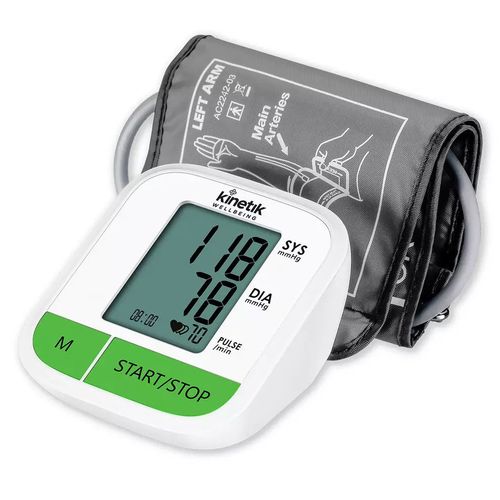
Consider buying a validated home blood pressure monitor so you can easily keep track of your levels. Input your results into an online blood pressure calculator to understand where you stand and if any lifestyle changes like lowering salt intake might help improve your cardiovascular health.
What Customers Say
★★★★★ Taff – March 2020
“Unit arrived quickly and well packed. I found the unit easy to use and it stores away nicely in the pouch. Good for recording blood pressure and pulse readings for my regular trips to the GP.”
★★★★★ Dale – March 2020
“Great little machine – I use it to monitor daily changes in my blood pressure and it works well. Recommended.”
★★★★★ Gillian – March 2020
“This small gadget is great. I’ve found that its readings are as accurate as the larger blood pressure monitor I have at my office. It’s nice and portable which is the bonus for me.”
Monitor Your Progress – Track how dietary changes affect your blood pressure with a clinically validated home monitor. Regular monitoring helps you see the real-world impact of reducing salt intake.
How to Check Your Salt Intake
Wondering how your current sodium intake stacks up? Here are some tips to gauge and track how much salt you’re getting:
- Keep a food diary – Writing down everything you eat and drink for a few days, along with sodium content, provides insight on your levels.
- Read nutrition labels – Check the sodium count on packaged foods and aim for low or reduced sodium options. Compare similar items to choose lower salt versions.
- Monitor condiment use – Things like soy sauce, teriyaki sauce, salad dressings and chicken stock can be high in sodium. Take note of how much you use.
- Consider an app – Some health apps let you input your food and provide nutrition analysis like sodium totals. This makes tracking easy.
- Ask about restaurant meals – Don’t be shy to inquire about sodium content when dining out so you can make informed menu picks.
- Enlist a wearable – Some activity trackers estimate sodium intake based on heart rate and hydration. Though not totally precise, they provide a general idea of salt levels.
The NHS Eatwell Guide provides additional guidance on balanced eating and salt reduction strategies. Once you know where you stand with sodium, you can make more educated changes to lower your intake if needed for healthy blood pressure.
Who Shouldn’t Cut Salt
Most people can benefit from reducing excess salt intake, but two groups should be cautious:
- Those prone to low blood pressure – Some dietary salt helps prevent blood pressure dipping too low and causing fainting.
- Pregnant women – Consuming too much or too little salt can cause issues like impaired foetal growth. Unless advised by their doctor, pregnant women should aim for a moderate salt intake.
So in summary, reducing sodium from salt can effectively help control blood pressure for most people. But even if your levels don’t seem salt-sensitive, cutting back on sodium provides overall health perks. Monitoring your blood pressure and being mindful of sodium sources allows you to make informed decisions about your salt consumption.
Frequently Asked Questions
How quickly does salt affect blood pressure?
The speed varies by amount consumed. Small amounts (under 115mg sodium) may take several days to affect blood pressure, while larger amounts (345mg or more) can raise it within an hour. Individual responses also vary based on salt sensitivity, hydration status, and overall health.
What’s the difference between sodium and salt?
Salt (sodium chloride) contains about 40% sodium by weight. When you see “6g of salt per day” recommended by the NHS, this equals approximately 2.4g of sodium. To convert: 1g salt = 0.4g sodium, or 1g sodium = 2.5g salt. Most nutrition labels show both values.
Can I use salt substitutes instead of regular salt?
Salt substitutes containing potassium chloride can be helpful for some people, but check with your GP first, especially if you have kidney problems or take certain medications. Potassium-based substitutes aren’t suitable for everyone. Herbs, spices, lemon juice, and vinegar are safer alternatives that add flavour without sodium.
How often should I check my blood pressure?
If you have high blood pressure or are making dietary changes to lower it, the Blood Pressure UK charity recommends checking at least twice weekly, ideally at the same time each day. Take two readings one minute apart and record the average. If your blood pressure is normal, annual checks are usually sufficient unless your GP advises otherwise.
Will reducing salt definitely lower my blood pressure?
About 75% of people are salt-sensitive and will see blood pressure improvements from reducing sodium. However, response varies individually. Even if you don’t see dramatic blood pressure changes, reducing excess salt still benefits overall cardiovascular health by reducing strain on your kidneys and heart.
About the Author
Anthony Cunningham – Health Writer & Editor
Anthony Cunningham, BA (Hons), MA, is a UK-based health writer and editor with over 20 years’ experience running Zoom Health, a trusted source for home health tests, preventive care, and wellness guidance. He creates clear, evidence-based articles using NHS, NICE, and WHO guidance. Where possible, content is reviewed by practising clinicians to enhance accuracy and reliability, helping readers make informed healthcare decisions.
You May Also Like
Explore more articles on blood pressure and cardiovascular health:
- Get Moving to Lower High Blood Pressure
- High Blood Pressure and How It Harms Your Health
- High Blood Pressure: A Global Epidemic