About This Article
Zoom Health has supplied home health tests to UK customers for nearly 20 years. This guide draws on our experience helping thousands of people understand their blood type and its importance for medical care, blood donation, and pregnancy planning. Always consult a healthcare professional for medical advice.
Published: June 2023 | Last Updated: November 2024 | By: Anthony Cunningham
If you have B RhD negative (B-) blood, you belong to one of the rarest blood type groups in the world. Just 2% of donors in the UK have B negative blood, making it the second least common blood type after AB negative.
Despite its rarity, B negative blood plays a critical role in healthcare. Your blood can help treat around one in seven patients, making B negative donors especially valuable to blood services and hospitals throughout the country.
What Makes B Negative Blood Type Rare?
Your blood type is determined by the presence or absence of specific proteins on the surface of your red blood cells. These proteins are called antigens, and they play a crucial role in how your immune system responds to foreign blood.
The NHS explains that blood groups are defined by the ABO system, which categorises blood into four main types: A, B, AB, and O. In the case of B negative blood, your red blood cells carry the B antigen but lack the RhD antigen.
The absence of the RhD protein is what makes your blood “negative.” This genetic trait is inherited from your parents. You’ll only have RhD negative blood if you don’t inherit any copies of the RhD antigen from either parent.
Why B Negative Blood Is Important
B negative blood donors are in constant demand by the NHS Blood and Transplant service. Their blood can be given to patients with both B positive and B negative blood types, as well as those with AB positive and AB negative blood.
Because only 2% of the population shares this blood type, collecting enough B negative donations can be challenging. Blood services actively seek out B negative donors and often prioritise them for appointments to ensure hospitals have adequate supplies.
B Negative: Key Facts
- Just 2% of UK donors have B negative blood
- Can help around 1 in 7 patients
- Second rarest blood type after AB negative
- Critically needed by NHS blood services
- Can donate to B+, B-, AB+, and AB- recipients
Who Can Receive B Negative Blood?
If you have B negative blood, you can donate to patients with the following blood types:
- B Positive (B+) – The most common recipient group for your donations
- B Negative (B-) – People who share your exact blood type
- AB Positive (AB+) – Universal recipients who can receive any blood type
- AB Negative (AB-) – The rarest blood type, which can receive from all negative types
This compatibility makes B negative blood particularly valuable in emergency situations where patients with B or AB blood types need urgent transfusions.
Who Can Donate Blood to B Negative Individuals?
If you have B negative blood and require a transfusion, you can safely receive blood from only two blood types:
- B Negative (B-) – Your exact blood type match
- O Negative (O-) – The universal donor blood type
O negative blood is particularly important in emergencies because it lacks both A and B antigens as well as the RhD antigen. This makes it compatible with all blood types, which is why O negative donors are often called “universal donors.”
B Negative Blood and Pregnancy
If you’re a woman with B negative blood and planning a pregnancy, it’s essential to understand the implications of being RhD negative. The NHS explains that Rhesus disease can occur when an RhD negative mother carries an RhD positive baby.
This happens if the baby inherits the RhD positive gene from their father. If the baby’s blood enters your bloodstream during pregnancy or birth, your immune system may produce antibodies against the RhD antigen, treating it as a foreign substance.
Anti-D Injections for Protection
Fortunately, this condition is preventable with anti-D injections. NHS Inform notes that about 1 in 6 women has RhD negative blood, and anti-D treatment is routinely offered during pregnancy to prevent complications.
These injections stop your body from making antibodies against your baby’s RhD positive blood cells. You’ll typically receive anti-D injections at specific points during pregnancy, and again after birth if your baby is confirmed to be RhD positive.
Important for Pregnancy: If you’re B negative and pregnant or planning to become pregnant, make sure your midwife knows your blood type. Early intervention with anti-D injections protects both you and your baby.
How to Find Your Blood Type
It’s crucial to know your blood type, and there are several methods available for determining your blood group.
One option is to schedule an appointment with your GP or visit a blood donation centre. However, it’s worth noting that a GP may not perform a blood test if it’s not medically necessary at that time.
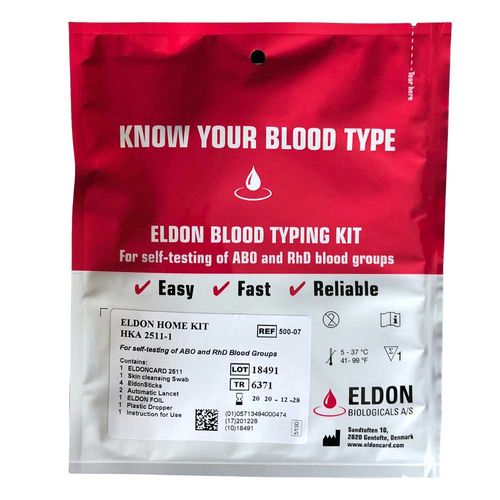
A convenient alternative is to order a home blood type test from Zoom Health. The Eldon blood typing kit provides reliable results in just a few minutes from the comfort of your home. The test is straightforward to use, comes with everything you need, and includes clear instructions.
What Customers Say
★★★★★ Sophie — July 2015
“I decided to get one of these for every member of my family; knowing your blood group is so important. Not only was it fairly painless and easy to do this test, but this company provides very detailed instructions so that it is almost impossible to mess up. The information that you get could be lifesaving for you or another person.”
★★★★★ Ash L — April 2015
“This home blood test kit was really simple to use. I was a bit worried about doing this at home but I really should not have been. The little blood pricking tool that comes with the kit is fairly painless to administer and makes a tiny hole. Great kit for the money and came next day.”
★★★★★ Anonymous — November 2024
“Efficient delivery, and process as described. Very pleased. Would definitely recommend this service if you want to know your blood group.”
When You Need to Know Your Blood Type
Understanding your blood type is important for several reasons beyond medical emergencies:
Medical Emergencies
In emergency situations requiring blood transfusions, knowing your blood type can speed up treatment. Medical professionals need to provide compatible blood quickly, and having this information readily available can be crucial.
International Travel
If you plan to travel abroad, particularly to countries with different healthcare systems, it’s recommended to know your blood type in case of medical emergencies. Some travellers carry a card with their blood type information for this reason.
Pregnancy Planning
For women with B negative blood, knowing your blood type before pregnancy allows for early planning and ensures you receive appropriate anti-D treatment to protect both you and your baby.
Blood Donation
If you have B negative blood, you’re part of a rare donor group that’s always in demand. Knowing your blood type means you can make a significant contribution by becoming a regular blood donor and helping patients who rely on this rare blood type.
Living with B Negative Blood Type
Having B negative blood doesn’t put you at risk for any specific health conditions related to your blood type. You don’t need to take any special precautions or follow different health advice because of your blood group.
However, if you have B negative blood, you might want to consider:
- Becoming a blood donor – Your rare blood type is always needed by hospitals
- Carrying blood type information – Keep a card in your wallet or store it in your phone
- Informing family members – There’s a one in four chance siblings share your blood type
- Discussing pregnancy plans – If you’re a woman planning to have children, speak with your GP about anti-D treatment
Order Your Blood Type Test
Find out your blood type at home with a simple, reliable test kit. Results in minutes with everything included.
Understanding Blood Type Science
Some people believe that blood type can affect personality traits and health tendencies, although there is little scientific evidence to support these claims. These theories are popular in some cultures, particularly in Japan, but they’re not recognised by mainstream medical science.
What we do know from medical research is that certain blood types may have slight statistical associations with specific health conditions. However, these associations are relatively minor compared to other risk factors like lifestyle, diet, exercise, and genetics.
Regardless of any theories, the most important reason to know your blood type remains medical. In case of an emergency requiring transfusion, medical professionals need to know your blood type to provide the correct treatment quickly and safely.
Final Thoughts on B Negative Blood
B negative blood may be rare, but it’s vital for healthcare systems across the UK. If you have this blood type, you’re part of an exclusive 2% of the population whose donations can help save lives.
Whether you’re discovering your blood type for the first time or already know you’re B negative, understanding what this means for your health, pregnancy planning, and potential to help others through blood donation is valuable knowledge that could one day prove essential.
Taking a few minutes to test your blood type at home provides peace of mind and potentially life-saving information for medical emergencies. It’s a simple step that everyone should consider taking.
About the Author
Anthony Cunningham – Health Writer & Editor
Anthony Cunningham, BA (Hons), MA, is a UK-based health writer and editor with over 20 years’ experience running Zoom Health, a trusted source for home health tests, preventive care, and wellness guidance. He creates clear, evidence-based articles using NHS, NICE, and WHO guidance. Where possible, content is reviewed by practising clinicians to enhance accuracy and reliability, helping readers make informed healthcare decisions.
You May Also Like
Explore more articles on blood types and health testing: