About This Article: Zoom Health has supplied home health tests to UK customers for nearly 20 years. This guide draws on our experience helping thousands of people understand their blood type and its medical significance. Always consult a healthcare professional for medical advice.
Published: 7 June 2023 | Last Updated: 25 January 2026 | By: Anthony Cunningham
Contents
Understanding AB Negative Blood Type
AB negative blood type is one of the rarest blood types in the world, found in approximately 1% of the global population. In the UK, AB negative is even less common, occurring in less than 1% of the population according to NHS Blood and Transplant.
This rare blood type results from a specific genetic combination. Individuals with AB negative blood have both A and B antigens on the surface of their red blood cells, but they lack the Rh factor protein that is present in Rh-positive blood types.
The Genetics Behind AB Negative
AB negative blood type is inherited genetically from both parents. To have AB negative blood, you must inherit:
- An A or B allele from one parent
- The opposite allele (B or A) from the other parent
- Two negative Rh factor genes (one from each parent)
This specific combination makes AB negative blood particularly uncommon. The presence of both antigens combined with the absence of the Rh factor creates unique medical characteristics.
Medical Characteristics and Research
Research has identified several interesting characteristics associated with AB negative blood type, though it’s important to note that these are statistical observations rather than certainties for every individual.
Immune System Considerations
Studies have found that individuals with AB negative blood type may have a higher likelihood of developing certain immune-related conditions. Research published in medical journals suggests that people with AB blood types are more likely to experience allergies and autoimmune disorders compared to other blood groups.
One theory suggests this occurs because the immune system recognises both A and B antigens, which may lead to increased immune sensitivity in some circumstances. However, individual risk factors vary considerably based on genetics, lifestyle, and environmental factors.
Disease Resistance
Interestingly, AB negative individuals show greater resistance to certain infectious diseases. Research indicates that the A and B antigens on red blood cells can bind to toxins produced by diseases such as cholera and malaria, potentially preventing these toxins from causing harm to the body.
This protective mechanism demonstrates one of the evolutionary advantages that may have maintained blood type diversity in human populations, as described in research from scientific studies on blood group evolution.
Blood Donation and Transfusion
AB negative blood type has unique characteristics when it comes to blood transfusions and donations, making it particularly valuable in emergency medical situations.
Universal Recipient Status
People with AB negative blood are considered universal recipients for Rh-negative blood. This means they can safely receive blood transfusions from any Rh-negative blood type (O negative, A negative, B negative, or AB negative). This flexibility can be life-saving in emergency situations.
However, AB negative individuals can only donate blood to other AB negative or AB positive recipients, making their donations particularly valuable for patients with AB blood types.
The Critical Need for AB Negative Donors
Because AB negative is so rare, blood banks constantly need donations from AB negative individuals. According to NHS Give Blood, maintaining adequate stocks of rare blood types is essential for emergency care and planned medical procedures.
Important for AB Negative Individuals
- Consider registering as a blood donor if you’re eligible
- Keep a record of your blood type for medical emergencies
- Inform medical professionals of your blood type before procedures
- Carry medical ID indicating your blood type if you have complex health needs
Finding Your Blood Type
Knowing your blood group is crucial for medical safety and can be life-saving in emergency situations. Understanding your blood type helps avoid receiving incompatible blood during transfusions, which can lead to potentially fatal blood cell clumping.
How to Determine Your Blood Type
There are several ways to determine your blood type:
- GP or blood donation centre: You can schedule a blood test at your local doctor’s surgery or visit a blood donation centre. However, some doctors may not perform the test without a specific medical reason.
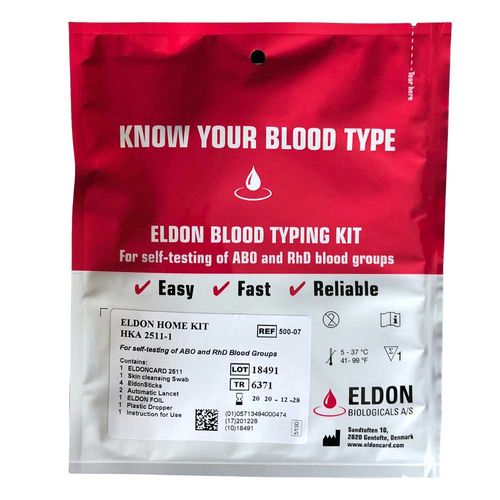
- Home blood typing kit: An affordable and convenient option that provides immediate results without waiting for a doctor’s appointment.
- Blood donation: When you donate blood, you’ll be informed of your blood type.
What Customers Say
★★★★★ Sophie – July 2015
“I decided to get one of these for every member of my family; knowing your blood group is so important. Not only was it fairly painless and easy to do this test, but this company provides very detailed instructions so that it is almost impossible to mess up. I think that everyone should get one of these tests.”
★★★★★ Susan C. – December 2020
“Excellent fast delivery. The actual blood group test was so simple, the instructions were very easy to follow. If you want to find out your blood group (which is a very important thing to know) I can recommend this test kit.”
★★★★★ Colette – December 2020
“Definitely recommend this test kit. I had been wondering for a long time what my blood type actually was, despite being an insulin dependant diabetic for many years, no one could or would tell me! The instructions are clear and super easy to follow, plus there is a video on the site if you are still unsure.”
Take Action: Discover your blood type quickly and easily with the Zoom Health Home Blood Type Test Kit. Get results in minutes from the comfort of your home.
Final Thoughts
AB negative blood type is a rare and unique blood type with distinct medical characteristics. While it presents certain considerations, such as a potential increased risk for some autoimmune conditions, it also offers advantages including resistance to specific diseases and universal recipient status for Rh-negative blood.
Understanding your blood type is an important aspect of managing your health. Whether you have AB negative blood or any other blood type, knowing this information can prove vital in medical emergencies and helps you make informed decisions about blood donation.
If you’re AB negative and eligible to donate blood, your contributions are particularly valuable to the NHS blood service and can help save lives of patients who share your rare blood type.
About the Author
Anthony Cunningham – Health Writer & Editor
Anthony Cunningham, BA (Hons), MA, is a UK-based health writer and editor with over 20 years’ experience running Zoom Health, a trusted source for home health tests, preventive care, and wellness guidance. He creates clear, evidence-based articles using NHS, NICE, and WHO guidance. Where possible, content is reviewed by practising clinicians to enhance accuracy and reliability, helping readers make informed healthcare decisions.
You May Also Like
Explore more articles on blood types and health testing: