About This Article: Zoom Health has supplied home health tests to UK customers for nearly 20 years. This guide draws on our experience helping thousands of people monitor their health and understand diabetes. We’ve reviewed the latest NHS and NICE guidance to ensure accuracy. Always consult a healthcare professional for medical advice or diagnosis.
Types of Diabetes: What You Need to Know
Diabetes is a common chronic condition affecting millions worldwide. It occurs when the body cannot produce enough insulin or cannot use it effectively, leading to elevated blood sugar levels. Understanding the different types of diabetes can help you recognise symptoms early and take steps to manage your health. Early diagnosis is important—many people in Britain don’t realise they have type 2 diabetes until complications develop.
Contents
The Main Types of Diabetes
There are several different types of diabetes. Each develops differently and requires different management approaches. Understanding which type you have is important for getting the right treatment.
Type 1 Diabetes
Type 1 diabetes is an autoimmune condition where the body’s immune system attacks cells in the pancreas that produce insulin. This means the pancreas cannot produce enough insulin to regulate blood sugar. Type 1 usually develops in childhood or early adulthood, though it can occur at any age. It accounts for about 10 per cent of all diabetes cases. People with type 1 require insulin injections, dietary management, and regular monitoring to prevent serious complications.
Type 2 Diabetes
Type 2 diabetes is the most common form, accounting for roughly 90 per cent of diabetes cases. It develops when the body cannot produce enough insulin or cannot use insulin effectively—a problem called insulin resistance. Type 2 is usually linked to lifestyle factors including obesity, physical inactivity, and poor diet. However, genetics also play a role. Early stages often have no symptoms, which is why screening is important. Type 2 is typically managed through lifestyle changes and medication.
Gestational Diabetes
Gestational diabetes develops during pregnancy, affecting approximately 4 per cent of pregnancies in the UK. It is caused by hormonal changes that affect insulin production. While symptoms usually subside after the baby is born, women who experience gestational diabetes have an increased risk of developing type 2 diabetes later in life. It is managed through diet, exercise, and sometimes medication during pregnancy.
Prediabetes
Prediabetes is a warning sign. Blood glucose levels are higher than normal, but not yet high enough for a diabetes diagnosis. The good news is that people with prediabetes can often prevent or delay type 2 diabetes by making lifestyle changes. This includes eating a balanced diet rich in whole foods and fibre, exercising regularly, and maintaining a healthy weight.
MODY (Maturity Onset Diabetes of the Young)
MODY is a rare type of diabetes caused by a single genetic mutation. It is often diagnosed in people under 25 and typically runs strongly in families. Treatment involves diet, exercise, and medication tailored to the specific genetic type.
Do I Have a High Risk of Developing Diabetes?
Your risk of developing diabetes depends on both genetics and lifestyle. Understanding your risk factors helps you decide whether screening is right for you.
Risk Factors You Cannot Change
- Family history (parent or sibling with diabetes)
- Age (risk increases after 40)
- Certain ethnic backgrounds (higher risk in South Asian, African, and Caribbean communities)
Lifestyle Risk Factors You Can Address
- Being overweight or obese
- Physical inactivity or sedentary lifestyle
- Poor diet high in processed foods and sugar
- Smoking
- Excessive alcohol consumption
The good news is that lifestyle changes work. Diabetes UK emphasises that regular physical activity, healthy eating, and weight loss can significantly reduce your risk—even if you have a family history of diabetes.
Common Symptoms to Watch For
Many people with type 2 diabetes have no symptoms, particularly in the early stages. This is why screening is so valuable. However, watch for the following signs, particularly if you are over 40 or carry excess weight:
- Increased thirst or feeling constantly dehydrated
- Frequent urination, especially at night
- Persistent fatigue or tiredness
- Blurred vision
- Slow-healing cuts or sores
- Itchy skin or recurring yeast infections
- Unexplained weight loss
- Tingling or numbness in feet or hands
Important Note: These symptoms can overlap with other health conditions. A proper test is the only way to confirm diabetes. If you experience any of these symptoms, book an appointment with your GP or use a home test kit for early screening.
How to Test for Diabetes at Home
Home diabetes test kits offer a simple, fast, and affordable way to screen for diabetes. They are particularly useful if you want to check your status before visiting your GP or if you are monitoring your blood glucose regularly.
What Is a Diabetes Test Kit?
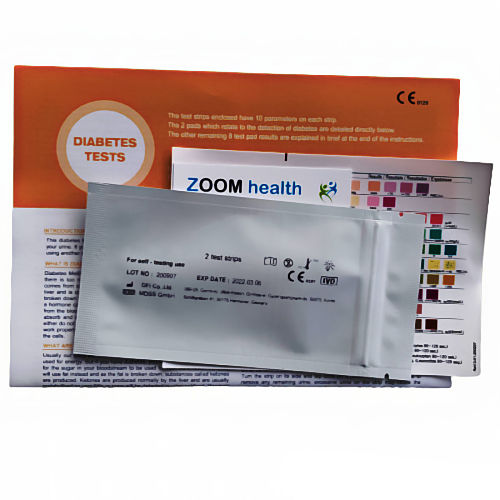
A home diabetes urine test kit measures glucose and ketone levels in your urine. When glucose or ketones appear in urine, it can indicate high blood sugar levels. The test uses reagent strips that change colour based on glucose concentration. You simply dip the strip in a urine sample, wait 60 seconds, and compare the colour to the reference chart provided.
Step-by-Step Instructions
- Collect a fresh urine sample in a clean container. Mid-stream urine (after passing the first few drops) gives the most accurate result.
- Remove one test strip from the kit. Reseal the container immediately to keep remaining strips dry and accurate.
- Dip the strip into the urine sample for 1–2 seconds. Tap the edge to remove excess liquid.
- Wait exactly 60 seconds. This is critical—reading too early or too late will give inaccurate results.
- Compare the strip colour to the colour chart on the side of the container. Line up the test zones carefully under natural light.
- Record your result. Note the date, time, and any symptoms or factors (diet, stress, illness) that might affect your reading.
Pro Tip: Some customers recommend taking a photo of your result under natural light immediately after reading it. This helps you track results over time and share them with your GP if needed.
Test Kit Accuracy
Home urine tests are a useful screening tool. However, they measure glucose in urine rather than blood glucose directly. Results correlate well with blood tests for most people. If your home test shows glucose or ketones, or if you get unexpected results, confirm with your GP using a blood test. NHS guidance recommends blood testing for a definitive diagnosis.
What Customers Say
★★★★★ Lorraine H. — June 2025
“The diabetes test kit was simple to do and fast, it also put my mind at ease. A good all rounder.”
★★★★★ Sheila L. — May 2023
“Easy to use, thankfully my results were negative but it saved a trip to see a doctor.”
★★★★★ Mark W. — October 2022
“Really well put together kit. Everything you need to know about the test and what each indicator means. Tip: prep beforehand—results must be read at 60 seconds exactly.”
Understanding Your Results
Your test result will show the presence or absence of glucose and ketones in your urine:
Negative Result
No glucose or ketones detected. This is the normal result and suggests your blood glucose is within a healthy range.
Positive Result (Glucose Present)
Glucose detected in urine may indicate high blood sugar. This warrants a visit to your GP for a blood test to confirm diabetes. Do not panic—a positive result doesn’t automatically mean you have diabetes, as various factors can cause glucose to appear in urine.
Ketones Present
The presence of ketones can indicate diabetic ketoacidosis or other serious conditions. Contact your GP or seek medical attention promptly if ketones are detected.
When to See Your Doctor
A home test is a useful screening tool, but it is not a diagnosis. NICE guidance recommends a blood test (fasting glucose, HbA1c, or glucose tolerance test) to confirm diabetes. Make an appointment with your GP if:
- Your home test shows glucose or ketones
- You experience persistent symptoms (thirst, fatigue, frequent urination)
- You have multiple risk factors and want professional screening
- You have a family history of diabetes and are over 40
- You are unsure about your result and want clarification
Early Diagnosis Saves Lives: Type 2 diabetes often has no early symptoms, but early detection prevents serious complications including heart disease, kidney failure, and blindness. If you’re concerned, testing is simple and affordable.
About the Author
Anthony Cunningham — Health Writer & Editor
Anthony Cunningham, BA (Hons), MA, is a UK-based health writer and editor with over 20 years’ experience running Zoom Health, a trusted source for home health tests, preventive care, and wellness guidance. He creates clear, evidence-based articles using NHS, NICE, and WHO guidance. Where possible, content is reviewed by practising clinicians to enhance accuracy and reliability, helping readers make informed healthcare decisions.
This article was first published in 2022 | Last updated: November 13, 2025