About This Article
Zoom Health has more than 20 years’ experience providing health information and home health products in the UK. This article explains common types and causes of hair loss, when to seek medical advice, and the treatment and hair-care options available.
Published: 5 September 2024 | Last Updated: 26 August 2026 | By: Anthony Cunningham
Hair loss is extremely common and can affect people of all ages. Sometimes it is simply part of getting older, while in other cases it may be linked to genetics, illness, stress, medicines or another underlying cause.
Understanding the type of hair loss you are experiencing can help you decide whether you need medical advice and what options may be available.
Contents
- Understanding hair growth and shedding
- Types of hair loss
- What causes hair loss?
- When to see your GP
- Hair loss treatments
- Looking after your hair and scalp
- Living with hair loss
- Further information and support
Understanding Hair Growth and Shedding
Hair is made mainly from a protein called keratin. Each hair grows from a follicle in the skin and goes through a natural cycle of growth, rest and shedding.
It is normal to lose around 50 to 100 hairs each day, often without noticing. In most cases, new hairs grow to replace those that are shed.
Hair growth can slow as we get older, and pattern hair loss becomes increasingly common with age. Genetics also play a major role, which means hair loss can sometimes begin much earlier in life.
Types of Hair Loss
Hair loss is also known as alopecia. There are several different types, and identifying the type of hair loss can be important when considering treatment.
- Androgenetic alopecia: Commonly known as male or female pattern hair loss. It is strongly influenced by genetics and hormones.
- Alopecia areata: An autoimmune condition that usually causes one or more patches of hair loss.
- Alopecia barbae: A form of alopecia areata affecting the beard area.
- Alopecia universalis: A more extensive form of alopecia areata that causes loss of hair across the body.
- Telogen effluvium: Increased hair shedding that can occur following illness, severe stress, weight loss or other significant changes to the body.
- Traction alopecia: Hair loss caused by repeated pulling or tension on the hair, often from tightly styled hair.
- Anagen effluvium: Rapid hair loss during the active growth phase, most commonly associated with some cancer treatments.
- Scarring alopecia: A group of conditions in which inflammation damages the hair follicle and replaces it with scar tissue.
- Trichotillomania: A condition involving recurring urges to pull out hair.
Some types of hair loss are temporary, while others can be permanent. A GP or dermatologist may be able to identify the cause by examining your hair and scalp and considering other symptoms.
What Causes Hair Loss?
The most common permanent forms of hair loss are male and female pattern hair loss, which tend to run in families.
Male pattern hair loss can begin in the late teens or early adulthood, although it becomes more common with age. It usually causes a receding hairline and thinning at the crown and top of the scalp.
Female pattern hair loss generally causes gradual thinning across the top and crown of the scalp rather than a clearly receding hairline.
Other forms of hair loss may be temporary. Possible causes include:
- Illness or significant physical stress
- Emotional stress
- Weight loss
- Iron deficiency and some other nutritional deficiencies
- Changes in hormone levels
- Certain medicines
- Cancer treatments
- Some thyroid conditions
- Scalp conditions and infections
- Repeated tension from tight hairstyles
You can read more about underactive thyroid, anaemia, iron deficiency and stress and anxiety elsewhere on Zoom Health.
Where hair loss is caused by a temporary illness or another treatable condition, it may improve once the underlying cause has been addressed. This is not guaranteed, however, and persistent or unexplained hair loss should be assessed by a healthcare professional.
When to See Your GP
Hair loss is usually nothing to worry about, but occasionally it can be a sign of an underlying medical condition.
Speak to your GP if you are worried about your hair loss, particularly if it develops suddenly, you notice distinct bald patches, you are losing considerably more hair than usual or you have symptoms affecting your scalp.
A GP may be able to identify the cause by examining your hair and scalp. They may also ask about recent illnesses, medicines, diet, stress and your family history.
It is sensible to establish what may be causing your hair loss before paying for treatment from a commercial hair clinic.
Hair Loss Treatments
There is no single treatment that works for every type of hair loss. Some temporary forms do not require specific treatment and may improve as the underlying cause resolves.
For male pattern hair loss, the two main treatments are finasteride and minoxidil.
Finasteride
Finasteride is a prescription medicine used for male pattern hair loss. It reduces the conversion of testosterone into dihydrotestosterone (DHT), a hormone involved in the gradual shrinking of susceptible hair follicles.
Finasteride is for men and should not be used by women. As with any medicine, it can cause side effects, so the benefits and risks should be discussed with a healthcare professional.
Minoxidil
Minoxidil is applied directly to the scalp and can be used for male and female pattern hair loss.
It does not work for everyone, and any improvement generally lasts only while treatment continues.
Other options may include wigs, hairpieces and, for suitable people, hair transplantation. Depending on the type of alopecia, specialist treatments such as steroid treatments, immunotherapy or other medicines may also be considered.
If you are unsure why you are losing your hair, speak to a GP before starting treatment.
Looking After Your Hair and Scalp
Shampoo cannot reverse genetic pattern baldness or treat an underlying medical cause of hair loss. However, keeping the hair and scalp clean and choosing suitable hair-care products can form part of a normal hair-care routine.
Try to avoid repeatedly pulling the hair into very tight hairstyles and take care when brushing, drying or applying heat to fragile or thinning hair.
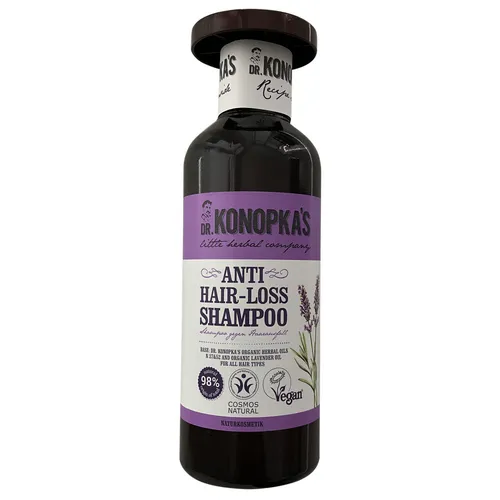
Featured Product: Dr. Konopka’s Anti-Hair Loss Shampoo – 500ml
If you are looking for a shampoo to use as part of your regular hair-care routine, Dr. Konopka’s Anti-Hair Loss Shampoo is available from Zoom Health. A cosmetic shampoo should not be regarded as a substitute for medical assessment or established treatments where hair loss has an underlying medical or genetic cause.
Living With Hair Loss
There is currently no guaranteed way to prevent genetically determined pattern hair loss. Treatments such as finasteride or minoxidil may help some people, but they are not effective for everyone and their effects usually continue only while treatment is being used.
If another condition is causing your hair loss, treating or managing that condition may help. Follow the advice of your GP or specialist and avoid starting medicines or supplements specifically for hair loss without checking whether they are appropriate for you.
Hair loss can also have a significant emotional impact. If it is affecting your confidence or wellbeing, consider discussing this with your GP. Organisations specialising in alopecia can also provide information and peer support.
Further Information and Support
For reliable information about hair loss and support, the following organisations may be useful:
- NHS – Hair Loss – information about causes, treatment and when to see a GP.
- Alopecia UK – information and support for people affected by alopecia.
- Macmillan Cancer Support – Hair Loss – guidance for people experiencing hair loss associated with cancer treatment.
Understanding Your Changing Hairline
Hair loss has many possible causes, from normal ageing and inherited pattern hair loss to illness, stress and medical treatments. Some types are temporary and others are permanent, so establishing the likely cause is an important first step.
If you notice unexplained or sudden hair loss, or if your hair loss is causing concern, speak to your GP. They can help identify possible causes and discuss appropriate treatment or support.
About the Author
Anthony Cunningham, BA (Hons), MA, is a UK-based health writer and editor with over 20 years’ experience running Zoom Health, a trusted source for home health tests, preventive care, and wellness guidance. He creates clear, evidence-based articles using NHS, NICE, and WHO guidance. Where possible, content is reviewed by practising clinicians to enhance accuracy and reliability, helping readers make informed healthcare decisions.